
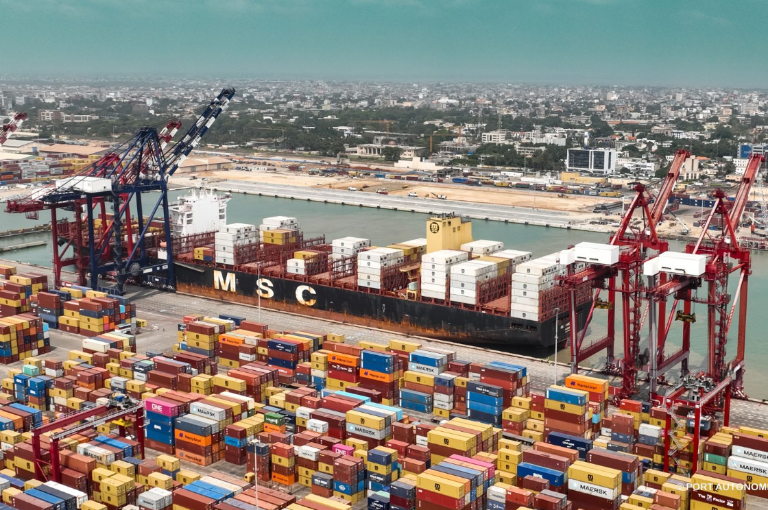
The rupture of traditional trade routes in West Africa hasn’t weakened Cotonou’s port—it has simply redirected its energy toward new partners. Amid diplomatic fractures with Niger, the Beninese hub has rapidly rerouted commerce flows toward Burkina Faso, a landlocked neighbor now accounting for nearly one million tonnes of transit traffic. This shift reveals how geopolitical tremors can reshape regional economics overnight.
How a diplomatic rift redefined Cotonou’s trade map
For decades, the Benin-Niger land corridor served as the backbone of Cotonou’s transit activity. With Niamey just 500 kilometers away, the port easily supplied Niger’s energy-hungry industries and growing consumer markets. But the 2023 political crisis in Niger and the subsequent breakdown in relations severed this lifeline. Border closures and disrupted fuel shipments forced operators to rethink their strategies, pushing them toward alternative hinterlands.
Instead of stalling, Cotonou’s traffic accelerated. Its commercial teams diversified supply chains, leveraging existing infrastructure and forging new partnerships to keep goods moving. By 2025, the port’s transit system had been transformed—no longer centered on Niger, but increasingly pivoting toward Burkina Faso.
Burkina Faso’s strategic rise in the transit equation
In 2025, Burkina Faso became the second-largest destination for Cotonou’s transit traffic, capturing 16% of total volumes. Nearly one million tonnes—primarily hydrocarbons—flowed through Beninese docks toward Ouagadougou, reinforcing the country’s role as a key redistributor for landlocked West Africa.
This momentum wasn’t accidental. Burkina Faso has long navigated multiple maritime gateways—Abidjan, Lomé, Tema, and Cotonou—choosing routes based on cost, security, and reliability. The collapse of the Niger corridor created the perfect opportunity to expand its reliance on Cotonou. With energy supply lines under strain from regional unrest, Burkina Faso urgently needed a stable port to ensure fuel and goods deliveries.
The hydrocarbon factor: why fuel reshaped the corridor
Petroleum products dominate the Burkina Faso-bound cargo at Cotonou, and for good reason. The landlocked country depends heavily on coastal ports for its gasoline, diesel, and aviation fuel. By channeling these imports through Cotonou, Burkina Faso gains:
- Speed: Direct access to Beninese depots reduces inland transit delays compared to routes via Nigeria or Togo.
- Flexibility: Smaller, more frequent shipments help mitigate supply chain disruptions.
- Cost efficiency: Competitive port fees and streamlined logistics lower overall expenses.
The surge in hydrocarbon transit explains why Cotonou’s growth in 2026 isn’t just a rebound—it’s a strategic repositioning.
2026 Traffic numbers: the evidence of transformation
First-half 2026 data reveals Cotonou’s resilience and adaptability. Total cargo handled reached 7.79 million tonnes, a 16.6% increase from the same period in 2025. While import volumes remained stable, exports surged by 33.3%, and transshipment skyrocketed by 152%. Though these figures don’t specify Burkina Faso’s exact share, they confirm the port’s expanding role as a redistribution hub, not just a transit point.
What changed? Cotonou is no longer merely compensating for lost Niger traffic—it’s building a new model. By diversifying hinterland connections, the port reduces its dependence on any single corridor, laying the groundwork for long-term stability.
Can Cotonou and Ouagadougou sustain this momentum?
The Burkina Faso corridor offers significant advantages for both sides:
- For Cotonou: A new high-volume consumer market to offset regional instability.
- For Burkina Faso: Reliable access to the Gulf of Guinea, bypassing Nigerian roadblocks and Ivorian congestion.
The port’s modernization efforts—including digitized truck tracking and faster customs clearance—support this transition. Yet challenges remain. Political turbulence in Burkina Faso, coupled with the lingering Niger file, means no corridor is entirely secure.
Even so, the early signs are encouraging. In August 2026, a one-million-barrel Nigerian crude consignment left Cotonou’s Sèmè-Kpodji terminal, proving that old trade ties persist despite political friction. Cotonou’s ability to juggle multiple markets—Burkina Faso today, Niger tomorrow—positions it as West Africa’s most adaptable port.
What’s next for Cotonou’s port economy?
The Burkina Faso phenomenon isn’t a temporary fix—it’s part of a deeper realignment. As Sahelian economies seek stability amid coups, terrorism, and economic pressure, their trade patterns will keep shifting. Cotonou’s rise as a Burkina Faso transit hub could mark the beginning of a new chapter for West African logistics.
For now, the port stands as a testament to adaptability. By turning geopolitical disruption into opportunity, it has rewritten its own economic story—and in doing so, redefined the rules of regional commerce.