

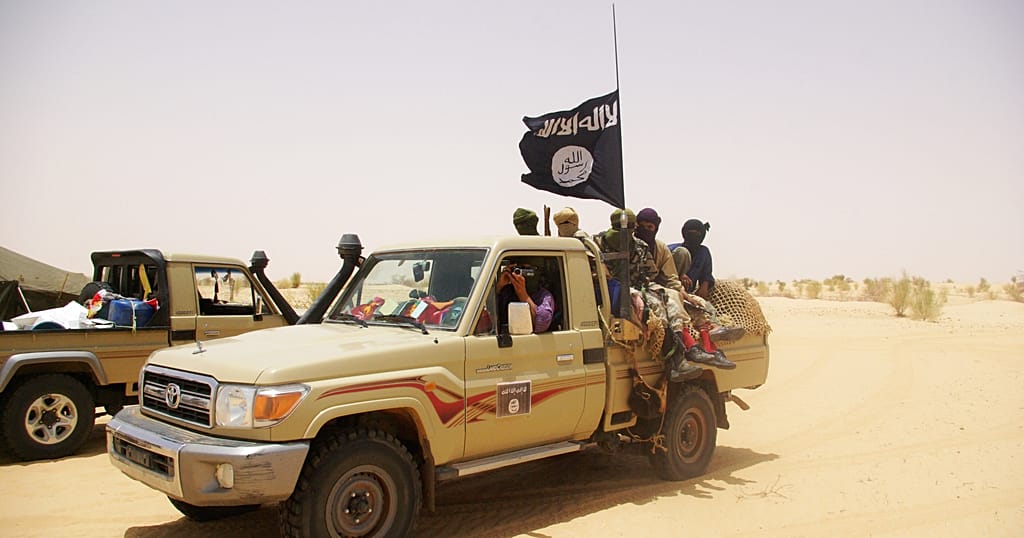
For the first time in three decades, Bamako’s Muslim community is marking the sacred festival of Tabaski under the shadow of a tightening jihadist blockade. The movement restrictions imposed by armed groups from Al-Qaïda’s Sahel branch have forced residents to abandon long-standing traditions, severing ties with distant relatives and disrupting vital supply chains.
Alpha Amadou, a 40-year-old resident originally from Mopti in central Mali, is among those who will spend Eid al-Adha away from family this year. « After thirty years in Bamako, I’ve never missed the journey home for Tabaski, » he shared, his voice heavy with resignation. « But the roads are no longer safe — not even for a man returning to his village. »
Since late April, militants have established intermittent roadblocks along the primary routes into the capital. Vehicles—including buses and commercial trucks—have been targeted with arson attacks. The smoldering wrecks lining the roads have sent a clear warning: travel is perilous. Transportation services have all but halted, leaving thousands stranded and families divided.
Tabaski in Mali is more than a religious observance. It’s a cornerstone of social life, a rare occasion when extended families, often separated for months by work or migration, gather to celebrate, share meals, and exchange gifts. Yet this year, the usual bustle in Bamako’s bus depots has vanished. The festive energy has been replaced by quiet dread, compounded by fuel shortages crippling the transport sector.
A local travel agency owner, speaking on condition of anonymity, described the double blow: « We’re not only running out of diesel to operate our buses, but we’ve also lost vehicles to recent attacks. It’s a financial disaster. » Another transport executive confirmed the collapse of holiday travel plans: « Normally, we’d ferry over 50,000 people out of Bamako in a single week for Tabaski. This year, we’ve canceled all routes. »
Private car owners face similar risks. Wara Bagayoko, a resident who typically drives his family to Ségou for the celebrations, will remain in Bamako. « The roads are too dangerous, » he said. « I won’t risk it. » Oumar Diarra echoed the sentiment: « For years, we’d travel in groups by motorcycle to Sikasso. Not this time. We’re staying put. »
Some minibuses still navigate the capital by taking secondary routes or under military escort, but the journey is fraught with uncertainty. The blockade has paralyzed more than mobility—it has choked off essential markets, including the livestock trade critical for the Eid sacrifice.
Skyrocketing sheep prices and shrinking supply
The transport crisis has sent shockwaves through Mali’s livestock economy. Traditionally, herders and traders move thousands of sheep from rural areas to Bamako ahead of Tabaski. But with the roads blocked, the cost of transporting an animal has surged from 2,500–2,750 CFA francs (about $4–5) to a staggering 15,000–18,000 CFA francs (around $26–31), according to transporter Alassane Maiga.
The scarcity is palpable. Hama Ba, a livestock trader in Bamako, lamented: « Many trucks carrying sheep have been burned by jihadists. Normally, I’d have over 1,000 animals ready for sale. Now, I have none left. » Prices reflect the desperation. Sheep that once sold for 75,000 CFA francs now fetch 300,000—far beyond the reach of most families, especially given Mali’s minimum wage of just 40,000 CFA francs per month.
Iyi, a resident searching for an affordable sheep, described the market as nearly empty: « Before, there was plenty to choose from. Today, they’re almost gone. »
Daily life under strain
The jihadist blockade isn’t just disrupting traditions—it’s eroding the quality of life in Bamako. The city is grappling with prolonged electricity outages and severe shortages of clean drinking water, as fuel shortages cripple generators and water pumps. Essential services are straining under the weight of the crisis, leaving residents to navigate daily challenges in addition to the emotional toll of a festival marked by absence rather than reunion.