
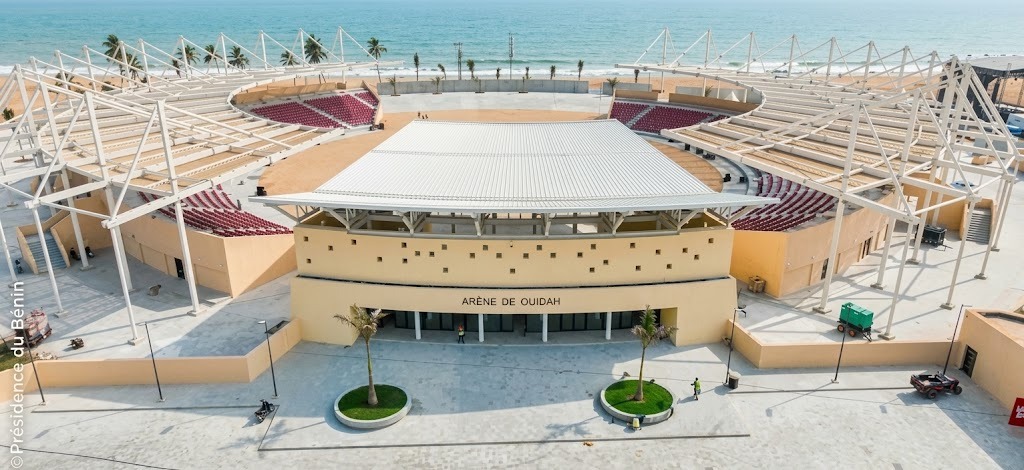
Benin’s current 19th-place ranking in Africa’s tourism sector is more than just a number—it’s a call to action. According to the World Economic Forum’s Travel & Tourism Development Index, the country boasts incredible cultural and historical assets, from the slave trade heritage trails to UNESCO-recognized museums. Yet, systemic gaps in infrastructure, logistics, and hospitality training have kept Benin from joining Africa’s top-tier destinations. The government’s bold response? A 600 billion FCFA investment plan by 2027.
From 19th to a new frontier: the root causes behind Benin’s tourism lag
The 19th-place ranking didn’t emerge overnight—it reflects deep-rooted structural challenges that hamper Benin’s tourism competitiveness:
- Fragmented connectivity: Despite its coastal location and vibrant cities like Cotonou and Ouidah, Benin’s air and road networks remain underdeveloped compared to regional leaders.
- Weak hospitality framework: Hotel supply is concentrated in urban centers, leaving cultural and ecological sites like the village lacustre of Ganvié and the Slave Route underserved in terms of accommodation and services.
- Underutilized heritage assets: Museums and memorial sites, though rich in history, often lack modern curation, accessibility upgrades, and visitor engagement strategies.
600 Billion FCFA by 2027: The strategic pillars of Benin’s tourism transformation
The government’s massive investment isn’t just about spending—it’s about targeted intervention across four critical axes designed to eliminate the bottlenecks identified in the 19th-place ranking:
1. Cultural infrastructure: reviving museums and memorials
Benin’s muséographie revolution includes:
- Completion of the Royal and Amazons Museum in Abomey and the Slavery and Memory Museum in Ouidah, both set to become world-class heritage hubs.
- Upgrade of the Cotonou Art Museum with immersive digital storytelling and sustainable design.
- Expanded exhibition spaces and visitor services at UNESCO sites like the Porto-Novo slave route.
2. Tourism circuits: connecting landmarks and communities
Beyond individual sites, the plan targets regional integration and accessibility:
- Rehabilitation of the Slave Route circuit, transforming it into a year-round cultural corridor with guided tours, interpretive signage, and community-based tourism.
- Development of Ganvié’s floating village as a sustainable eco-tourism hub, including water taxis, visitor centers, and waste management systems.
- Creation of thematic routes linking Abomey, Ouidah, Cotonou, and Porto-Novo through improved road access and public transport.
3. Hospitality and logistics: building the operational backbone
To ensure tourists actually stay, eat, and explore, the plan funds:
- Hotel capacity expansion in secondary cities and near cultural sites, with incentives for local investors and international chains.
- Tourism workforce upskilling through vocational training in hospitality, guiding, and sustainable tourism management.
- Logistics overhaul, including airport upgrades (especially at Cadjehoun International Airport), improved intercity buses, and digital ticketing systems.
2030 Vision: turning tourism into Benin’s growth engine
The ultimate goal goes beyond cosmetic changes: by 2030, tourism is slated to contribute 13% of Benin’s GDP—up from its current, modest share. This shift requires more than capital; it demands strategic alignment between culture, economy, and governance.
Key assumptions behind the 13% target:
- Increased tourist arrivals from 1.2 million annually to over 3 million by 2030.
- Higher average spending per visitor through curated experiences and premium services.
- Job creation across heritage sites, hospitality, transport, and allied industries.
Can Benin leap from 19th to the top 10?
The 600 billion FCFA plan is ambitious—but is it enough? Success hinges on execution, transparency, and public-private collaboration:
- Execution risk: Large public works can face delays, cost overruns, or mismanagement without strong oversight.
- Demand risk: International tourists may still favor Morocco, South Africa, or Ghana if Benin’s global brand remains weak.
- Competition risk: Regional peers like Senegal and Ivory Coast are also investing heavily in cultural tourism.
Yet, Benin holds a unique advantage: its authentic, untouched heritage narrative. Unlike heavily commodified destinations, its slave trade history, Vodun culture, and unspoiled landscapes offer a rare, experiential appeal. The question is whether the country can translate this potential into a competitive, world-class tourism ecosystem—within five years.
The road ahead: culture as Benin’s second economic pillar
The government’s bet is clear: tourism isn’t just about postcards and hotels—it’s a pathway to economic resilience. By 2030, it aims to join Africa’s top ten tourism performers, turning its 19th-place status into a catalyst for sustainable development.
For a nation rich in memory, culture, and resilience, the 600 billion FCFA plan is more than an investment—it’s a declaration: Benin’s future is not just built on oil or agriculture—it’s carved in its past.