
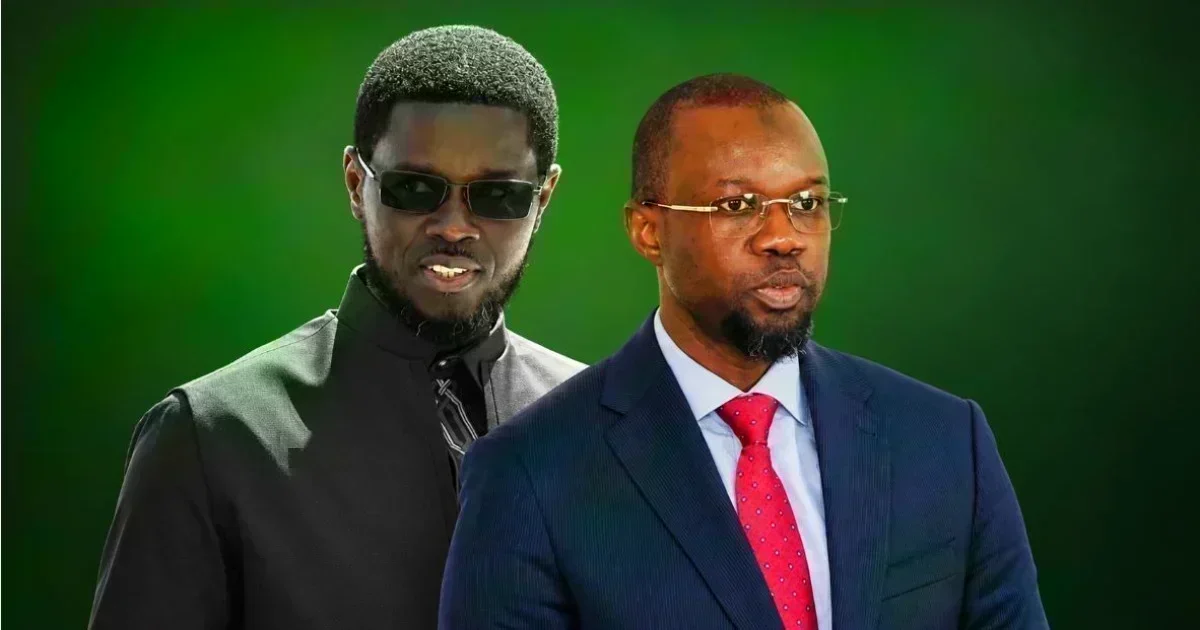
An unprecedented institutional clash in Dakar has exposed the deep divide over Senegal’s special funds reform. The National Assembly, led by Ousmane Sonko, has once again bypassed the government, forcing a constitutional battle that will determine whether the presidency or the legislature controls these opaque financial instruments.
Why this second attempt at reform is already doomed to fail
The latest proposal—proposition de loi organique n° 38/2026—aims to overhaul the Loi organique relative aux lois de finances (LOLF), targeting the so-called “black-box funds” used by the presidency. This isn’t a new fight. The very same text was rejected by the Constitutional Council in August 2026 after a previous parliamentary vote. The council ruled then that only a law organique could regulate public spending, essentially blocking the Executive’s first attempt.
Yet on October 1, 2026, the assembly defied the presidency once more. Despite the introduction of a blocked vote—a constitutional mechanism meant to prevent amendments—the lawmakers pushed the text forward, fully aware it would face another constitutional review. But this time, the stakes are far higher.
Government warns: reform is a balance between transparency and constitutional limits
The courtroom battle has just moved to the Montagne Sainte Geneviève. The government, represented by Justice Minister Moussa Sarr, argues that the proposed reform is legally flawed—and not just procedurally. At its core, the bill seeks to isolate special funds for defense, security, and diplomacy, but the government sees it as a dangerous narrowing of presidential prerogatives.
The Executive has raised three critical objections:
- Redefining special funds: The government argues that special funds are not just for military or diplomatic missions—they’re a constitutional tool to respond to national crises. The National Assembly’s attempt to restrict their use ignores the Constitution’s Article 1, which defines Senegal as a social republic where solidarity is a pillar of governance.
- Judicial control vs. parliamentary oversight: The bill sought to expand parliamentary monitoring over fiscal spending at the end of each fiscal year. The Justice Minister defended the Court of Auditors as the only body constitutionally mandated to oversee budget execution, accusing the assembly of overreach.
- Procedure matters: The Executive invoked the UEMOA directive, which limits budgetary classifications, warning that isolating special funds would create a legal void. It also argued that any ministerial inquiry by lawmakers must be routed through the presidency—a procedural safeguard, it claimed, to preserve institutional balance.
Despite these arguments, the assembly stood firm. Speaker Ousmane Sonko accused the Executive of manipulating procedure to maintain opacity and protect presidential discretion. The blocked vote was rejected outright, and the assembly passed the bill in its original form.
Can the Constitutional Council break the deadlock this time?
The outcome now hinges on the Constitutional Council, which will assess the legal validity of the assembly’s maneuver. A law organique cannot be enacted without its approval. The presidency’s case rests on three pillars:
- The directive from UEMOA, which supports the government’s interpretation of budgetary regulations.
- The exclusive constitutional mandate of the Court of Auditors over financial oversight.
- The constitutionality of the blocked vote procedure, which the government argues was improperly bypassed.
But this is no ordinary legal dispute. The council’s ruling will determine whether the National Assembly—or the presidency—holds the upper hand in budgetary battles. And it may decide the future of Senegal’s governance model itself.
Key takeaway
Behind this constitutional showdown lies a power struggle that transcends transparency. At stake is who really controls the flow of public money in Senegal: elected lawmakers or an unelected presidency. The answer may redefine not just financial governance, but the very balance of power in the country.