
- Bénin
- Culture
Bénin 2035: transforming culture into a key economic driver
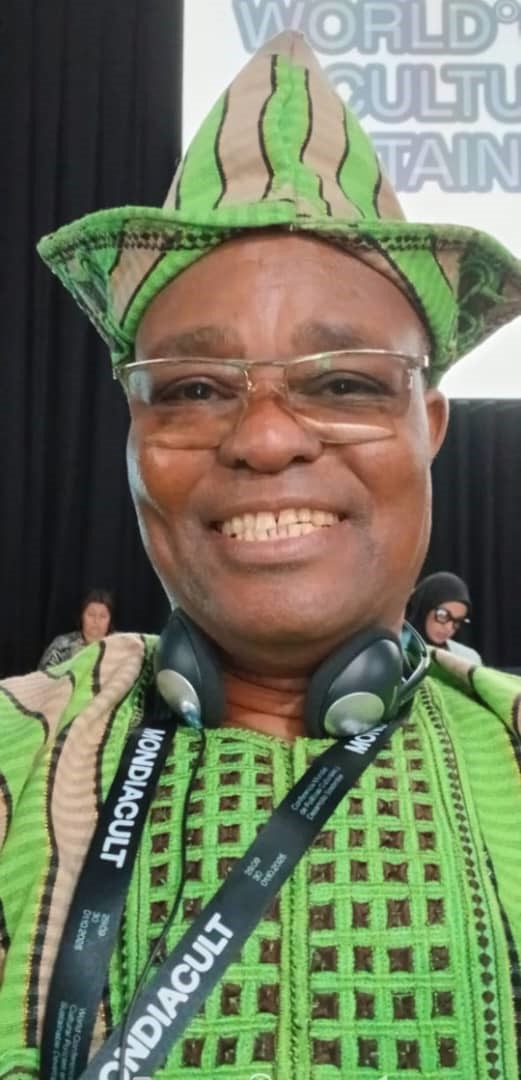
As a heritage consultant and President of TOWARA-BENIN (the only Beninese NGO accredited by UNESCO), with advanced studies in finance and management from the University of Abomey-Calavi (2007), I see Bénin at a pivotal moment.
Rooted in Vodoun traditions, royal legacies, and living arts that pulse with creativity, our nation holds an unparalleled cultural wealth. Yet this treasure remains an underutilized economic force. For far too long, culture has been treated as mere decoration or a budgetary afterthought. The time has come to break this cycle.
The vision for 2035 is bold: to elevate culture as the fourth pillar of Beninese economic development. This isn’t about nostalgia—it’s about building a productive sector that generates jobs, fosters innovation, and strengthens local economies. Eight major initiatives can make this vision a reality.
1. Legal certainty: protecting artists through strong legislation
A robust economy cannot stand on legal quicksand. While recent regulations mark progress, they remain vulnerable to political shifts. The path forward demands permanent solutions: laws enacted by the National Assembly, not temporary decrees. These must secure artists’ social protections, modernize copyright laws, offer fiscal incentives for private investors, and formally recognize professions in intangible cultural heritage. Only then can creativity thrive on a firm legal foundation.
2. Human capital: professionalizing the creative workforce
The engine of this cultural economy lies in its people. Amateurism must give way to elite professionalism. Bénin needs a sweeping national training plan that covers artistic disciplines, cultural management, entrepreneurship, conservation techniques, and digital technologies for heritage. Each region should nurture local talent by aligning education with its unique cultural identity.
3. Educational hubs: building centers of excellence
To institutionalize this transformation, the country must establish three flagship institutions:
- National Higher School of Arts: A breeding ground for contemporary artists—dancers, choreographers, scenographers, and technicians shaping tomorrow’s performing arts.
- Superior Institute of Cultural Heritage: A cutting-edge laboratory for safeguarding both tangible and intangible heritage, pioneering museography and archival science.
- Academy of Beninese Arts and Traditions: A sacred space where master practitioners document and transmit ancestral knowledge to future generations.
4. Physical infrastructure: creating world-class cultural spaces
Creativity demands spaces worthy of its ambition. Bénin must expand a network of modern, versatile, and decentralized cultural facilities—communal arts centers, regional theaters, digital creation hubs, and artisan villages. Every department should have the tools for creation, production, distribution, and public engagement.
5. Financial innovation: unlocking funding for the creative sector
Artistic boldness without resources is empty ambition. We propose a three-tier financial architecture:
- National Cultural Development Fund: Focused on creation, research, and international mobility.
- Creative Economy Desk: Within financial institutions, offering low-interest loans, tailored guarantees, and repayment schedules aligned with artistic production cycles.
- Public-Private Cultural Investment Fund: Leveraging capital from government, local authorities, private sector, and diaspora to scale up projects.
6. Industry integration: structuring the creative value chain
Beninese culture is fragmented, diluting its economic impact. From cinema to fashion, music, dance, and literature, each sector must be treated as an autonomous industry with a decade-long strategic plan, dedicated training pipelines, specialized distribution channels, and aggressive marketing strategies for regional and global markets.
7. Intangible heritage: monetizing living traditions
Masks, ritual rhythms, initiation narratives, and artisanal crafts are not relics—they are priceless intangible assets. By digitizing collections, certifying heritage festivals, and developing national cultural itineraries, Bénin can transform living traditions into engines of local development and tourism magnetism.
8. Strategic convergence: culture, tourism, and agro-industry
The future lies in synergy. By integrating culture with experiential tourism and agro-industry, Bénin can position its regions as destinations where visitors don’t just see landscapes—they live the culture, taste the terroir, and experience history. This is how identity becomes prosperity.
On the path to 2035
Building tomorrow’s Bénin means leaving behind outdated models of dependency. By 2035, our nation can shine as a beacon of creative economy in Sub-Saharan Africa.
This transformation is not poetic—it is strategic statecraft. By granting artists legal protection and audacity funding, and by preserving our collective memory, we will make culture the engine of sustainable, inclusive growth, proudly anchored in Beninese genius. The time for decree promises has passed. The era of legal sanctification and decisive action has arrived.