
Updated June 4, 2026, 7:59 AM
While global attention remains fixated on conflicts in Ukraine and the Middle East, a worsening humanitarian crisis in the Sahel continues to unfold with far less notice. United Nations data indicates that over 24 million people in the region will require urgent assistance in 2026, marking one of the world’s most severe and critically underfunded emergencies.
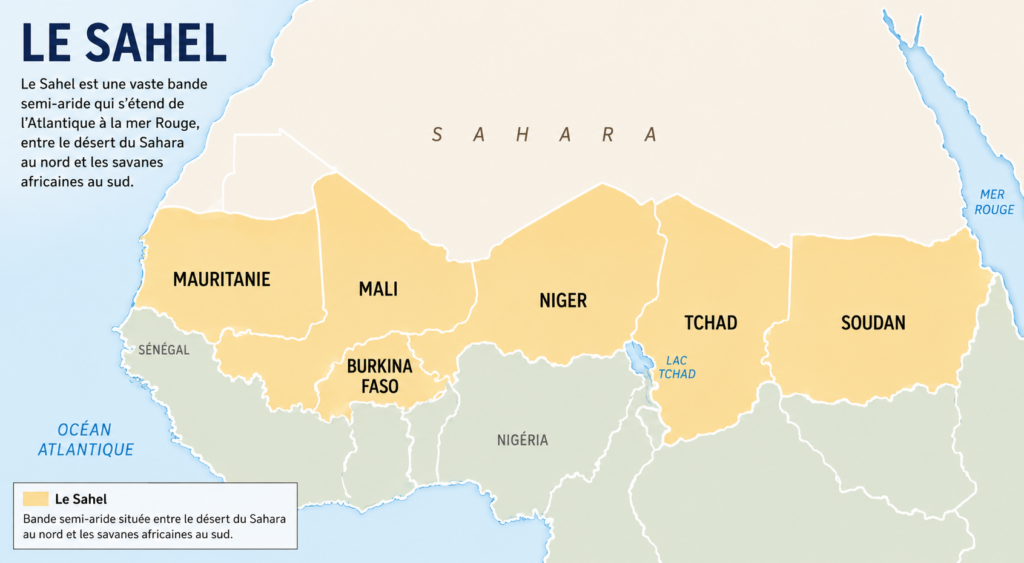
The crisis spans from Mauritania to Chad, encompassing Mali, Burkina Faso, and Niger. Here, communities grapple with a perfect storm of challenges—armed conflicts, mass displacement, soaring inflation, extreme weather shifts, and severe food insecurity—that push millions to the brink of survival.
According to United Nations humanitarian reports, the lean season between June and August could push 15.5 million people into food insecurity, with 1.5 million facing emergency conditions requiring immediate intervention. These numbers translate to stark realities: families skipping meals, farmers unable to purchase seeds or fertilizers, children missing school, and entire villages uprooted by violence.
International aid dwindles as needs surge
A major concern for aid agencies is the drastic reduction in funding. In 2025, just 29% of the required humanitarian funds were secured—a historic low that forces organizations to scale back operations, suspend critical programs, or abandon high-risk areas altogether. This funding gap coincides with rising costs linked to global tensions, particularly in the Middle East, which have driven up prices for fuel, transportation, and agricultural inputs. These price hikes disproportionately impact already vulnerable populations, with cuts in aid directly translating to less food, fewer protections for women and children, and reduced access to healthcare and education.
Armed violence spreads beyond traditional hotspots
The food crisis is inseparable from a rapidly deteriorating security situation. Once confined to central Sahel, violence now radiates toward West Africa’s coastal nations. Armed groups continue to expand their reach, triggering mass displacement and collapsing essential services. Nearly 12,900 schools have closed, leaving over 2.3 million children without education—a long-term threat that risks creating a lost generation in regions where economic prospects are already bleak and militant groups prey on youth vulnerabilities.
Climate change intensifies humanitarian strain
Adding to political and security turmoil are the worsening effects of climate change. Since early 2026, floods have displaced nearly 590,000 people, while droughts and creeping desertification steadily shrink arable land and water resources. The Sahel, one of the least contributors to global warming, now bears some of its most severe impacts.
United Nations officials warn that without accelerated international support, the crisis will deepen catastrophically. They emphasize that solutions exist—but without urgent funding increases, millions face an imminent slide into even more desperate conditions.