
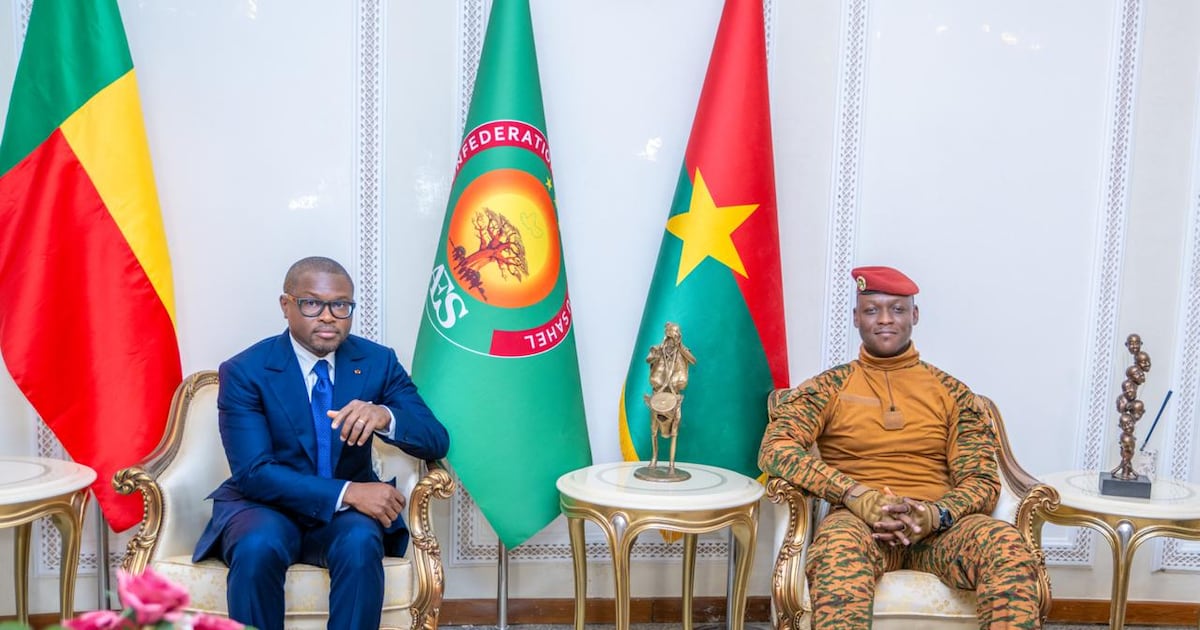
On a recent Tuesday, Benin’s newly elected President Romuald Wadagni undertook a significant diplomatic mission to Burkina Faso, marking a pivotal moment in West African relations. The visit, though brief, underscores a shared commitment to revitalize the deep-rooted bonds between the two nations—bonds forged over centuries of cultural, economic, and geographic proximity.
Strengthening ties amid regional challenges
While the visit carried formal protocol significance, its true value lies in the potential to rekindle cooperation frameworks that have historically facilitated trade, security, and stability across the Sahel. Observers note that this engagement arrives at a time when both nations face mounting pressures, from escalating security threats to economic disruptions.
Security cooperation takes center stage
Discussions between President Wadagni and his Burkinabè counterpart, Captain Ibrahim Traoré, placed security concerns at the forefront. Both leaders emphasized the critical need for joint action against terrorism, transnational crime, and violent extremism—challenges that transcend borders and demand collective solutions. A joint statement highlighted their resolve to prioritize regional peace, stability, and sustainable development, signaling a renewed focus on collaborative governance.
Economic revival through shared corridors
Beyond security, the visit highlighted the strategic importance of the Benin-Burkina Faso trade corridor—a 1,000-kilometer lifeline connecting the Port of Cotonou to landlocked Burkina Faso. This route is indispensable for fuel, consumer goods, and industrial inputs, serving as a vital artery for Burkina Faso’s economic survival. Revitalizing this corridor could unlock broader economic integration, fostering trade flows between the Alliance of Sahel States (AES) and West African markets.
Civil society voices offer cautious optimism. While some citizens, like Hamed Zizien, welcome the gesture as a step toward African solidarity, others urge vigilance. Boukary Ouédraogo, a civil society leader, cautioned that diplomatic engagements, however sincere, must be balanced with strategic pragmatism. «Relationships in diplomacy are not built on sentiment but on calculated interests», he remarked, emphasizing the need for tangible outcomes over symbolic gestures.
As West Africa navigates a complex geopolitical landscape, the Beninese president’s visit to Burkina Faso may well serve as a catalyst for deeper collaboration. Whether this translates into lasting progress remains to be seen—but the foundation for renewed cooperation has been laid.