
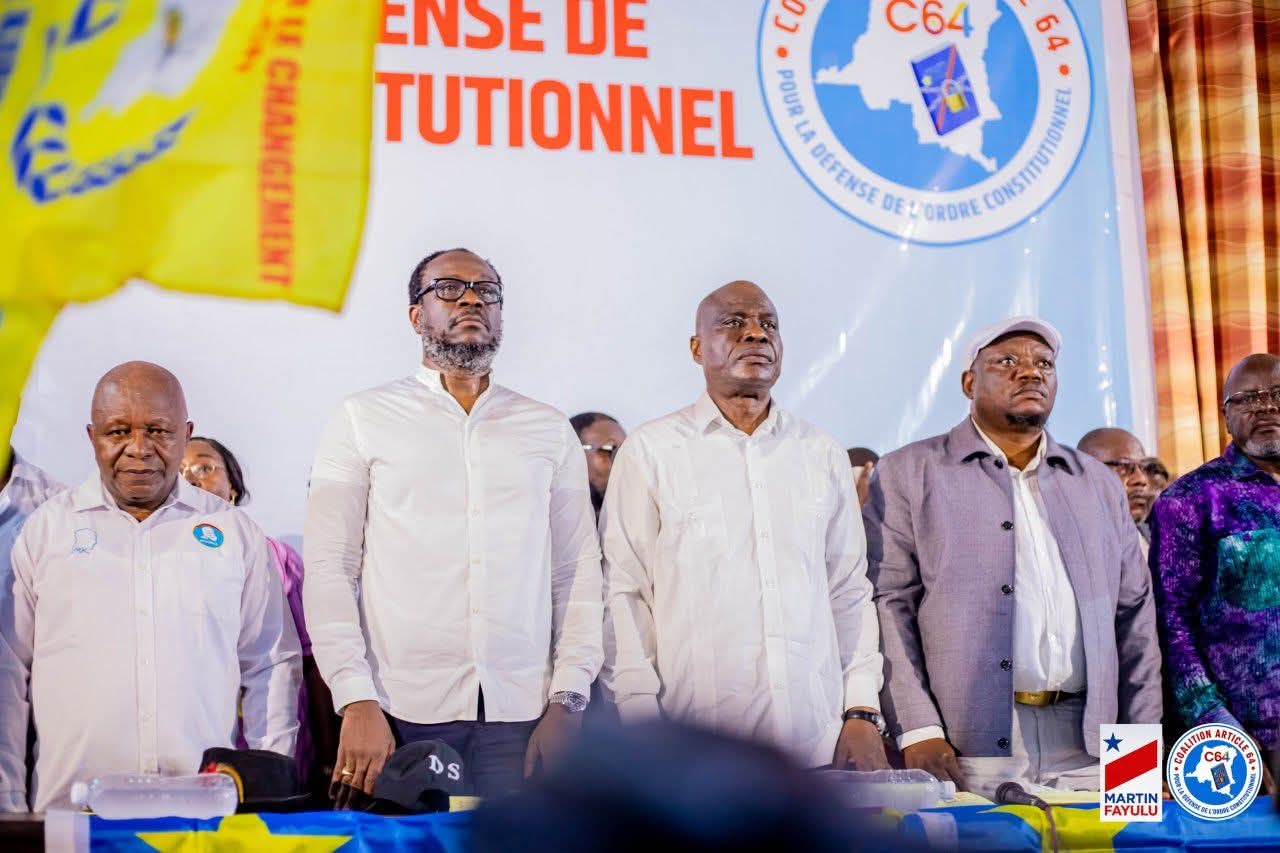
Massive public resistance erupted across Democratic Republic of the Congo as opposition forces and civil society groups called for a nationwide shutdown to block President Félix Tshisekedi from pursuing constitutional changes that could pave the way for a third term. The June 3rd ville morte campaign—literally a ‘dead city’ day—saw Kinshasa’s usually bustling streets fall eerily silent, with businesses shuttered and public activity grinding to a halt.
Opposition flexes muscles in first major showdown
The coordinated shutdown, organized under the banner of the C64 coalition, marked the most significant display of public defiance since discussions around constitutional reform began circulating. While the government downplayed the impact, the near-total compliance in Kinshasa and other urban centers sent a clear message: the population is unwilling to accept what critics describe as an unconstitutional power grab.
Constitutional revision hinges on political tug-of-war
Félix Tshisekedi remains steadfast in his pursuit of constitutional amendments, reportedly favoring a referendum to legitimize the changes—despite widespread skepticism over the process’s fairness. Analysts warn that the move mirrors familiar patterns across the continent, where leaders have historically leveraged legal loopholes or referendums to extend their mandates. His determination contrasts sharply with the opposition’s determination to derail the initiative through sustained pressure.
The tug-of-war has now expanded beyond the streets. Pro-government religious leaders have announced a counter-mobilization for June 5th, signaling a deepening divide in the country’s social fabric. The outcome of this political standoff will likely hinge on which side commands greater influence—whether through public mobilization, institutional leverage, or strategic alliances.
Security crisis overshadows political ambitions
As the constitutional debate rages, DR Congo faces a mounting security crisis, particularly in the eastern regions where armed groups and insurgencies continue to destabilize communities. The Eastern Congo, already beyond Kinshasa’s control, risks further fragmentation if political tensions escalate into broader unrest. Adding to the strain, the resurgence of Ebola outbreaks has further strained healthcare systems and public trust in governance.
The president’s push for constitutional reform—seen by critics as a distraction from urgent national priorities—has intensified scrutiny over his leadership. Earlier, religious leaders had urged him to prioritize an inclusive national dialogue to address the country’s multifaceted crises. Months later, little progress has been made, raising questions about the government’s commitment to holistic solutions.
Historical echoes of power struggles
This isn’t the first time Félix Tshisekedi has faced backlash over presidential term limits. As an opposition figure in 2018, he vocally opposed Joseph Kabila’s attempts to extend his mandate, a stand that contributed to mass protests and Kabila’s eventual retreat. Yet, his current approach risks repeating the same mistakes, observers warn. The pattern of resistance followed by eventual capitulation—or escalation—has become a recurring theme in African politics, where leaders often misjudge the resilience of public dissent.