
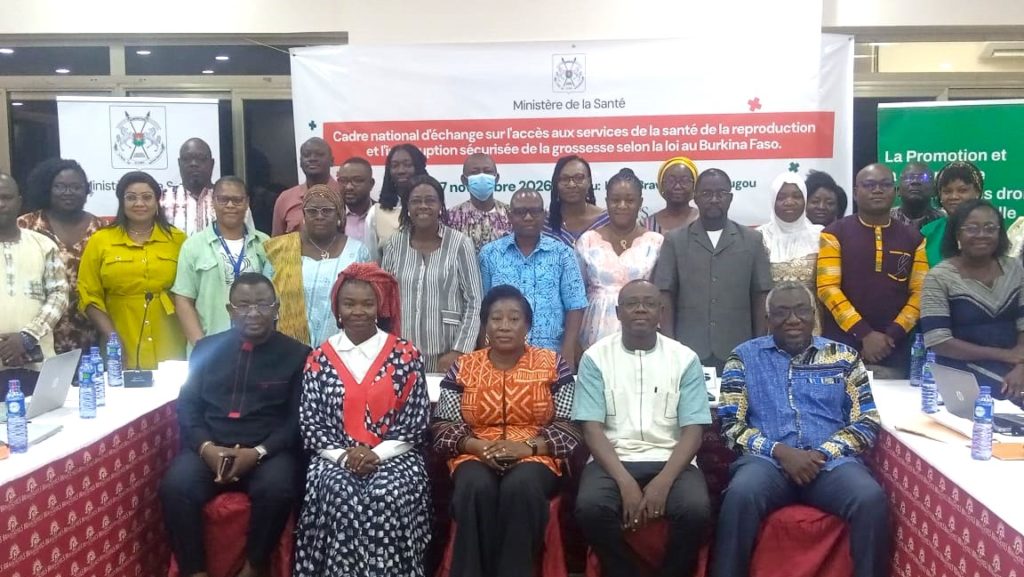
Ouagadougou, Burkina Faso — A landmark national forum convened by the Ministry of Health has taken aim at the country’s persistent maternal health crisis, focusing on expanding access to sexual and reproductive healthcare services, including safe abortion under national law.
Critical meeting targets maternal mortality with legal and practical reforms
From November 16–17, 2026, health officials, legal experts, civil society leaders, and development partners gathered in Ouagadougou to address the persistent barriers preventing women and girls from accessing essential reproductive healthcare.
The two-day national dialogue, organized by the Directorate of Family Health and supported by the Association Burkinabè pour le Bien-être Familial (ABBEF), comes after recent data confirmed that Burkina Faso remains off track to meet the 2030 target of reducing maternal mortality to fewer than 70 deaths per 100,000 live births. Current figures remain unacceptably high at 198 maternal deaths per 100,000 live births—nearly triple the global target.
Legal clarity and coordinated action highlighted as key priorities
During the opening session, speakers emphasized the dual need for clearer legal interpretation and stronger implementation of Burkina Faso’s abortion law, which permits safe abortion in cases of rape, incest, or life-threatening pregnancy complications.
The Ministry of Health also outlined ongoing measures to reduce maternal mortality, including free maternal and child healthcare for pregnant women and children under five, expanded family planning services, and strengthened emergency obstetric and neonatal care.
Collaboration between state and civil society emphasized
ABBEF Executive Director Kouanda Mohmed Hamdy commended the government’s commitment, stating that the forum represents a pivotal moment for joint action between public institutions and civil society to ensure women and girls access quality reproductive health services in accordance with national law.
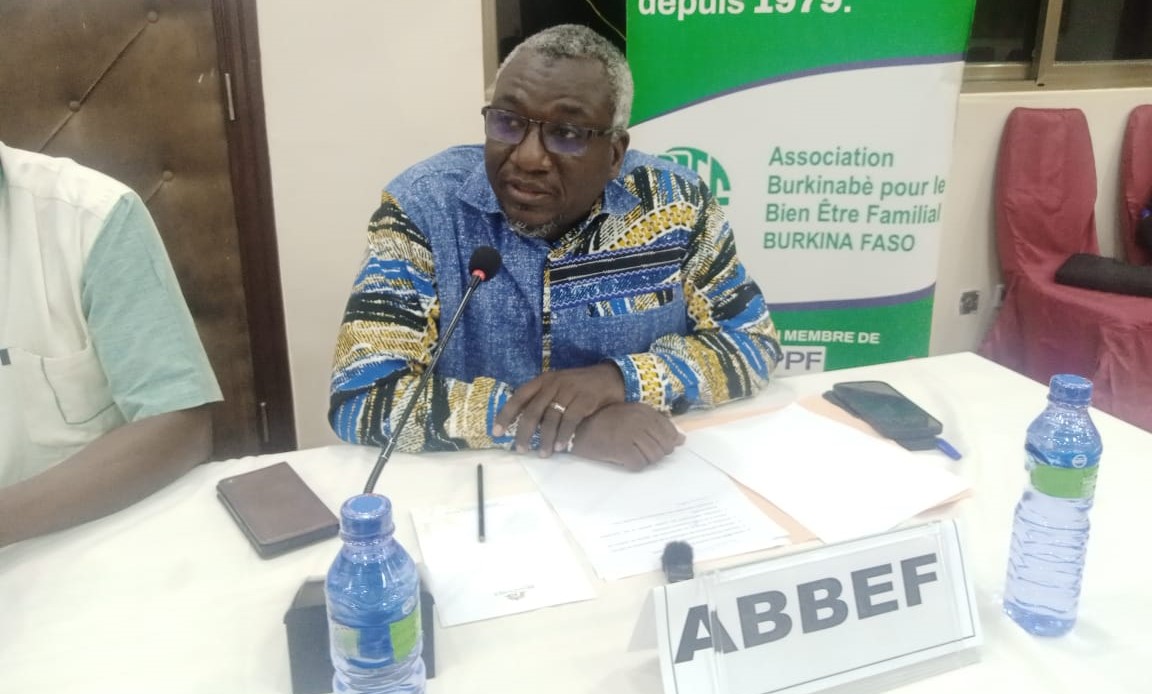
He stressed the importance of aligning policy with practical delivery, noting that ABBEF is ready to support efforts to improve service access and quality across the country.
Global health partner underlines urgency of sustained action
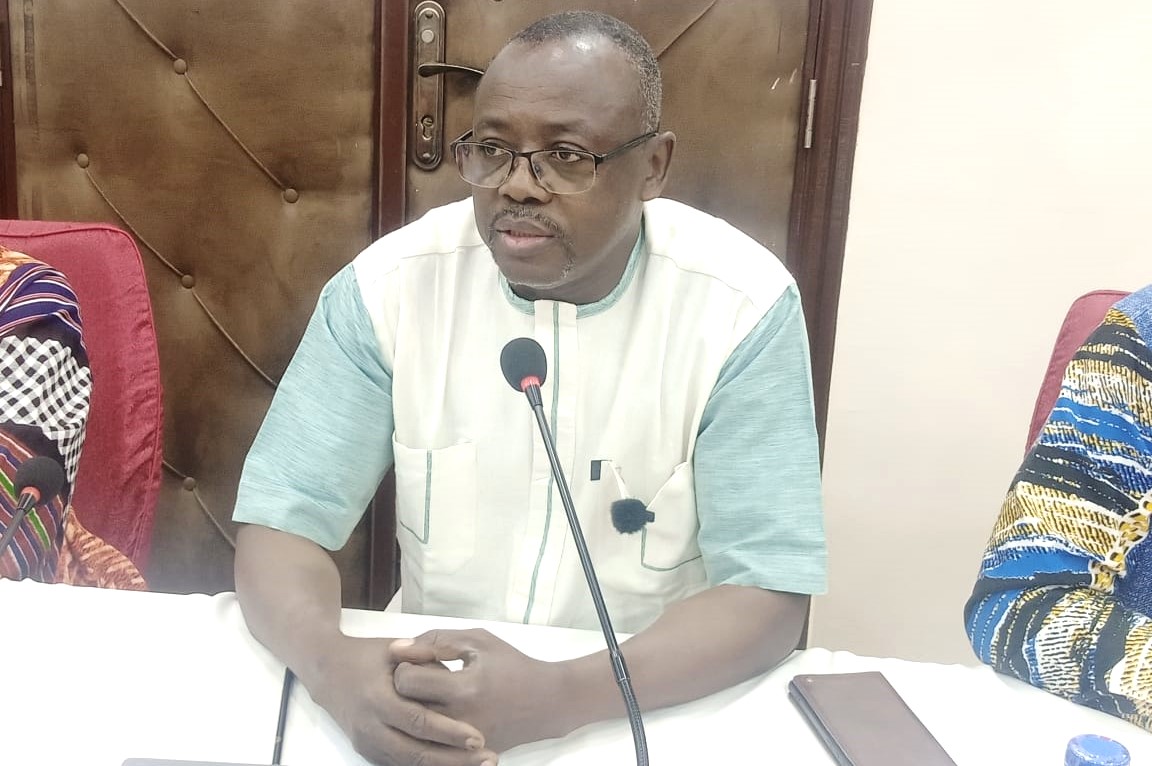
Dr. Hien Clotaire, representing the World Health Organization (WHO) as lead technical partner, welcomed Burkina Faso’s progress but cautioned that more must be done to prevent women from dying due to preventable complications. “The gains achieved are important, but the obstacles remain real,” he said. “We must translate commitments into action so that no woman loses her life for lack of care.”
Government outlines strategic health roadmap to 2030
Regina Claudia Yaro/Zongo, representing the Permanent Secretary of the Ministry of Health, reiterated that maternal, newborn, and child health is a national priority. She highlighted recent policy victories such as the Integrated Strategic Plan for Reproductive, Maternal, Newborn, Child, Adolescent, and Elderly Health (2025–2030), designed to ensure sustainable improvements in service delivery.
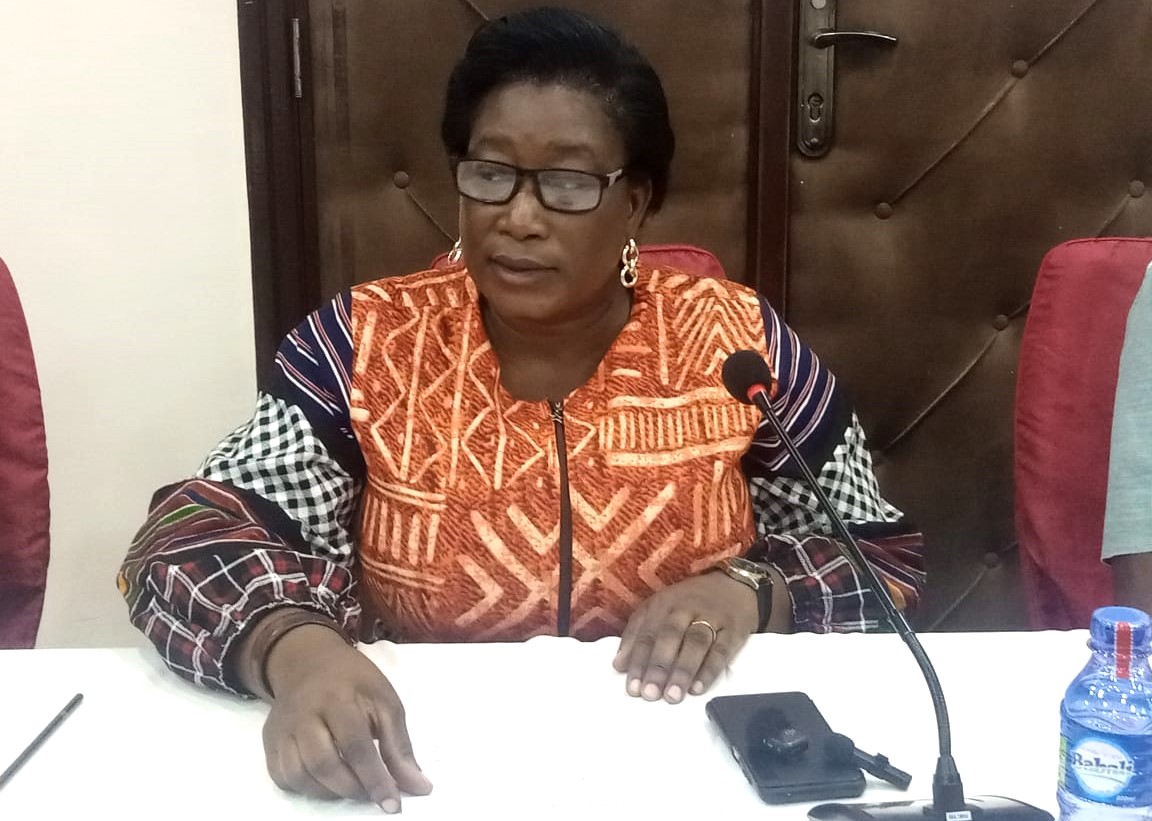
The plan includes free care for pregnant women and children under five, expanded family planning, and improved emergency obstetric services. Health officials emphasized the need to reinforce legal understanding around safe abortion, particularly in cases of rape, incest, or life-endangering pregnancies, and to standardize service protocols to avoid ambiguity.
Action plan to drive results: next steps and accountability
Over the course of the two-day meeting, participants reviewed strategies to reduce unintended pregnancies, improve post-abortion care, enhance service quality, and secure sustainable financing. Discussions also focused on accountability mechanisms to ensure commitments translate into measurable impact on the ground.
The forum concluded with an agreement to finalize an operational roadmap—outlining key actions, timelines, responsible agencies, and monitoring frameworks—to guide Burkina Faso’s path toward safer motherhood and improved reproductive health access by 2030.
Why this forum matters now
- Maternal mortality remains unacceptably high: With 198 deaths per 100,000 live births, Burkina Faso is far from the 2030 target of fewer than 70.
- Legal abortion is underutilized: Despite clear provisions in national law, many women lack access to safe abortion due to misinformation and procedural barriers.
- Coordinated action is critical: This forum catalyzes collaboration between government, civil society, and global partners to close gaps in access and care.