
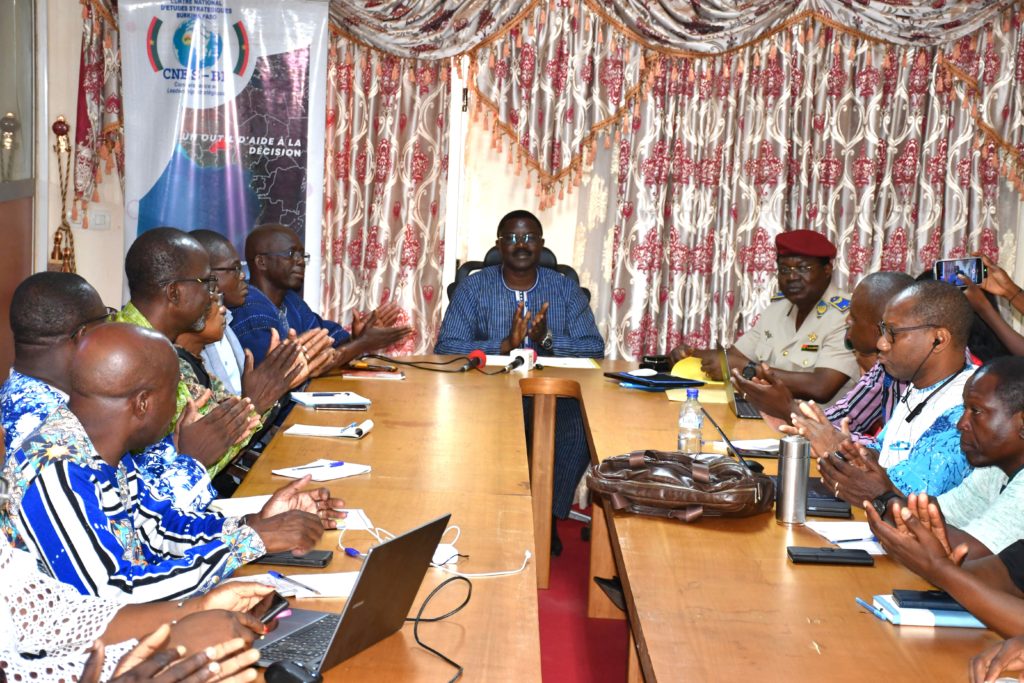
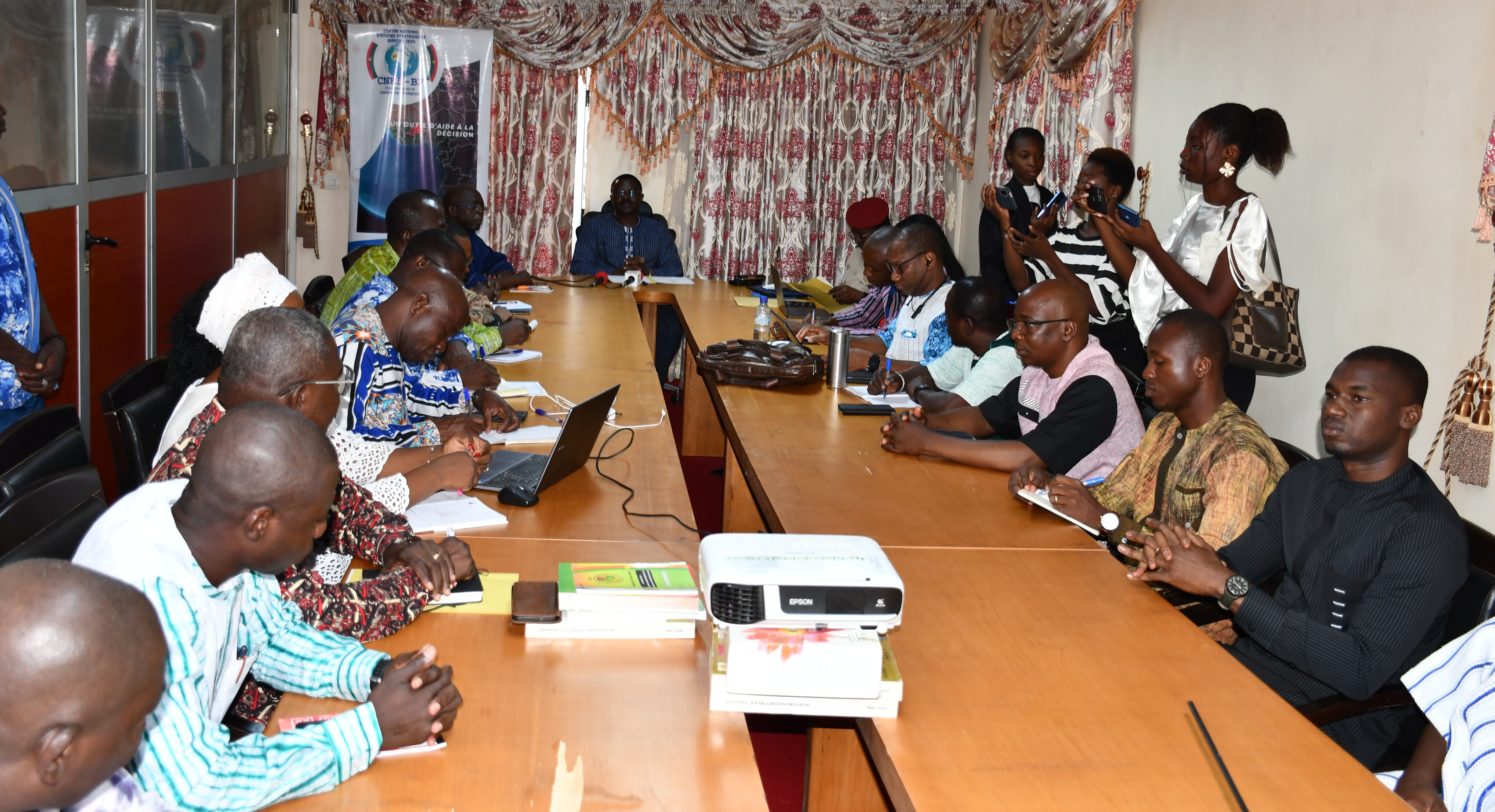
The National Center for Strategic Studies (CNES) initiated a three-day training workshop on Monday, June 8, 2026, in Ouagadougou, specifically designed for specialists and officials from the Ministry of Foreign Affairs. This intensive session centers on strategic intelligence and geopolitical foresight, taking place at the Permanent Secretariat of the African Peer Review Mechanism (SP-MAEP) in the Ouaga 2000 neighborhood.
The primary goal of this gathering is to sharpen the expertise of approximately thirty participants, including ambassadors and technical advisors within the Ministry of Foreign Affairs.
In an era of rapid global transformation, organizers aim to provide these professionals with cutting-edge tools to better anticipate international crises and provide informed direction for political choices.
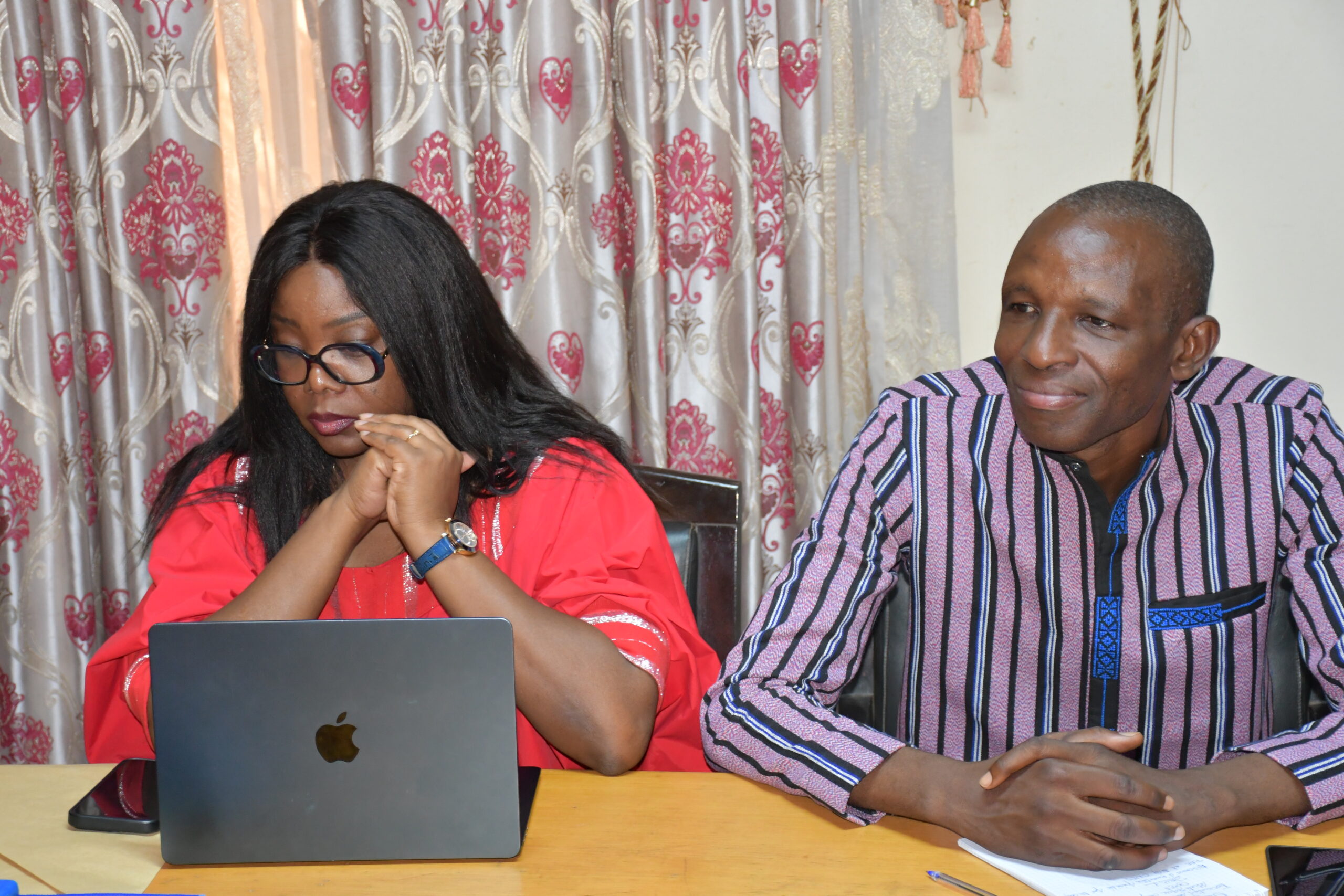
Scheduled from Monday, June 8, to Wednesday, June 10, 2026, the curriculum covers a diverse range of subjects, such as strategic monitoring, geopolitical analysis, and risk assessment. The program balances theoretical lectures with hands-on practical exercises, including the preparation of operational summary notes.
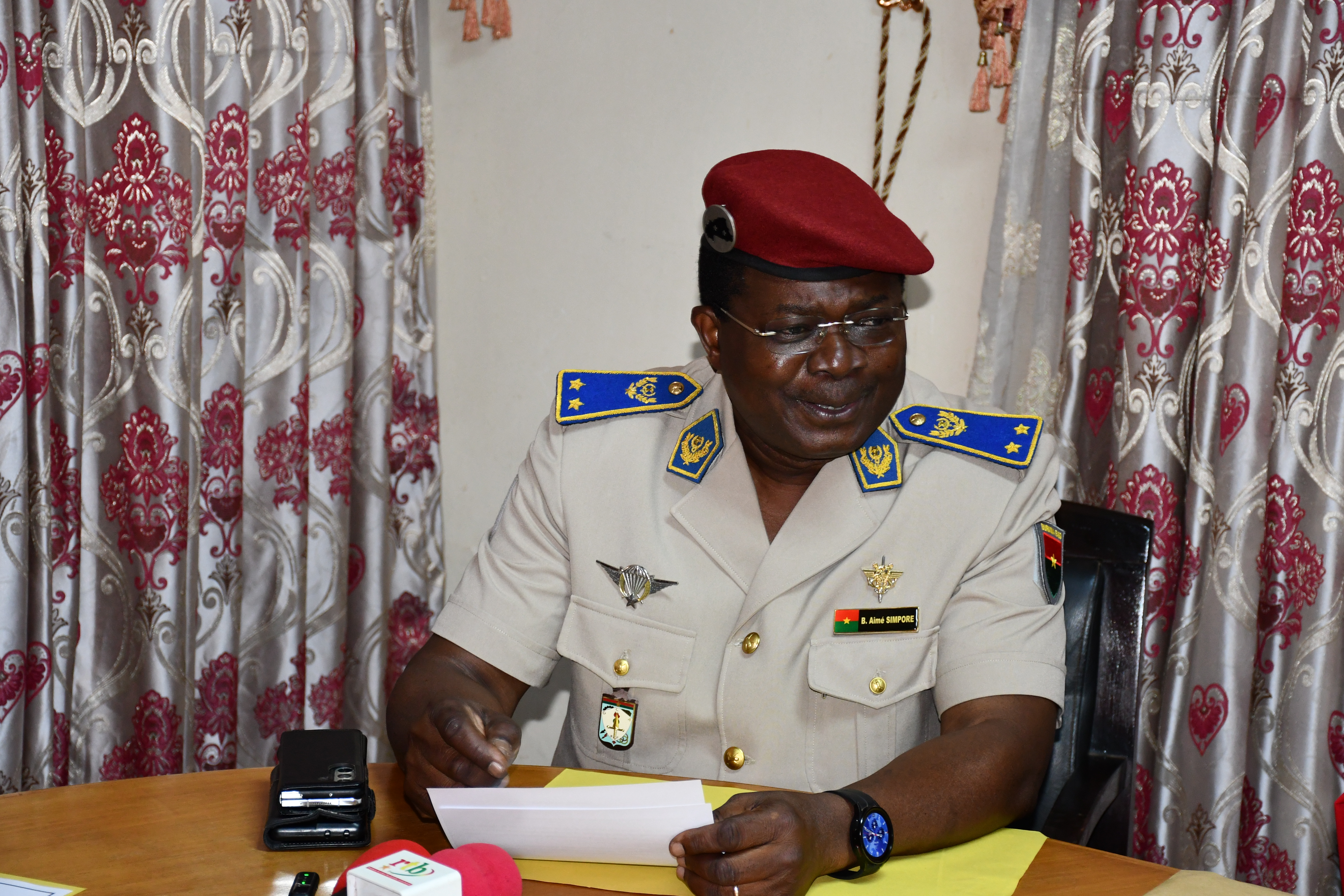
Brigadier General Barthélémy Aimé Simporé, the Director General of CNES, emphasized that this initiative is a vital response to modern governance requirements. He highlighted the current hurdles facing the nation, noting that power rivalries are shifting, security crises are becoming more intricate, and strategic uncertainty has become a constant factor in the international arena.
He further clarified that the objective is to move beyond simple crisis reaction and instead foster a genuine capacity for national forecasting.
Representing the Ministry of Foreign Affairs, Chief of Staff Dieudonné Désiré Sougouri welcomed this collaboration with CNES. He remarked that the ministry’s Bureau of Strategic Analysis must continually refine its methodologies to match contemporary global realities.
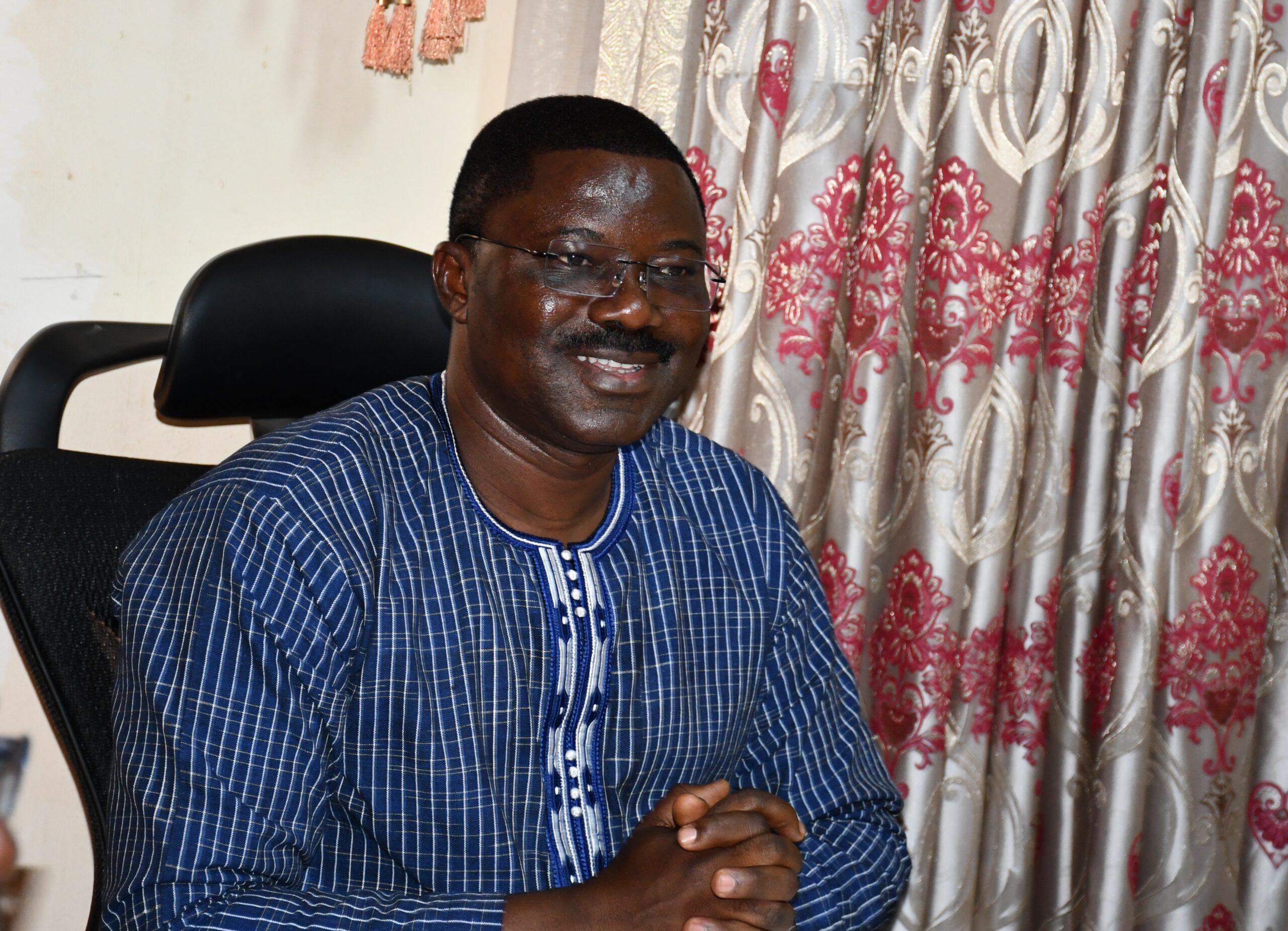
He also stressed the necessity of this professional update for the public administration, observing that traditional frameworks are being challenged and experts must stay current to fully grasp the complexities of the international geopolitical environment.
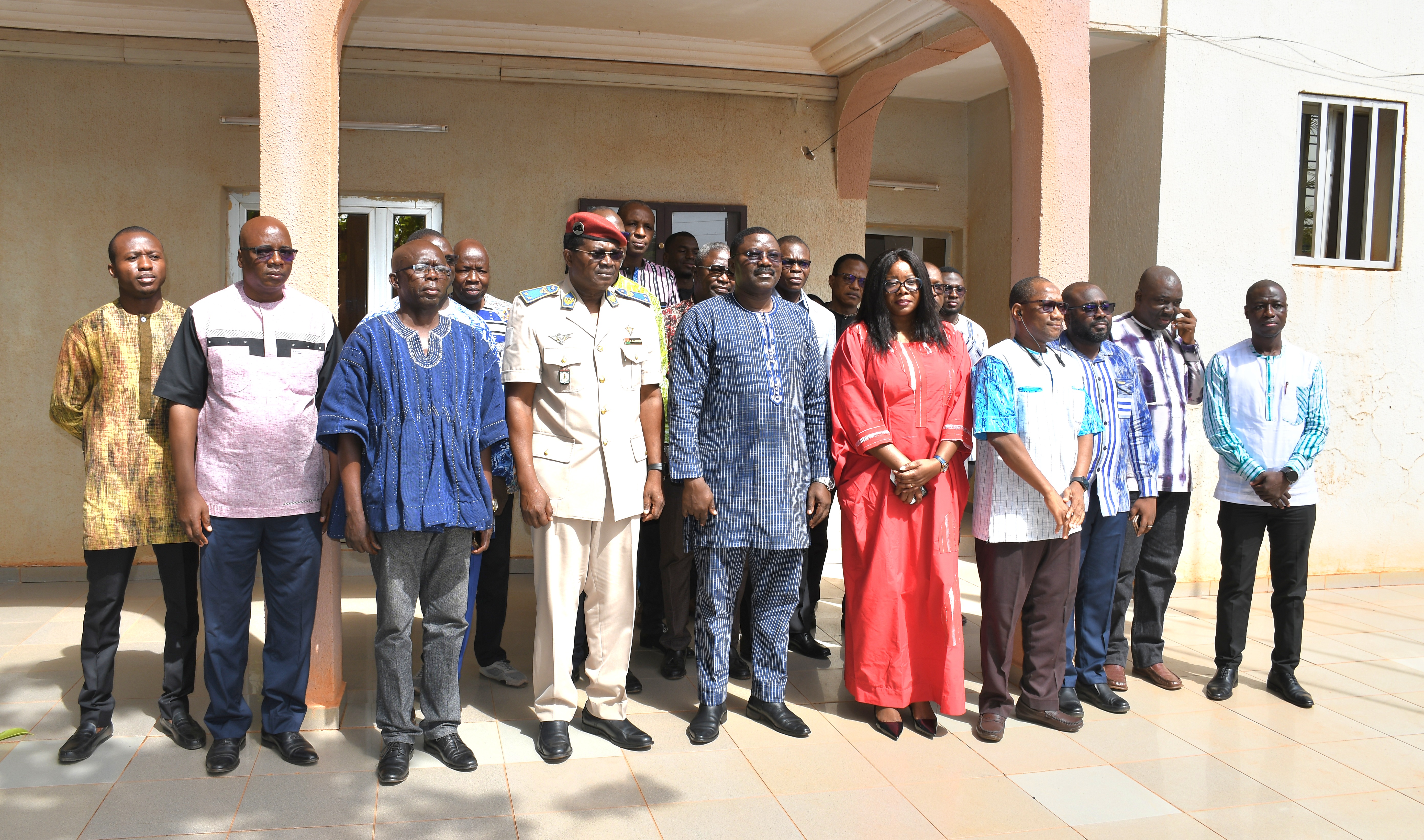
This training, a first for this specific department, is expected to lead to more precise identification of emerging threats and the creation of more direct analytical reports for government leadership. Organizers have indicated that future sessions will be scheduled to maintain this momentum in capacity building.
This workshop represents a significant advancement in modernizing national diplomatic efforts, aligning them with the strategic vision of the authorities. The exchange of knowledge between defense experts and higher education professionals is seen as a key factor in the success of this initiative.