
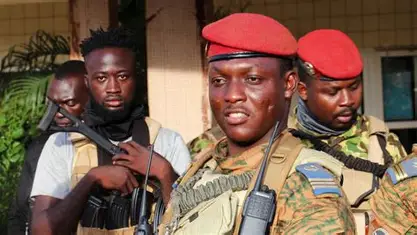
Following a resolution from the European Parliament highlighting concerns regarding human rights and public freedoms in Burkina Faso, the military-led administration has opted to summon the European Union’s representative in the country, signaling its displeasure rather than addressing the allegations directly.
Observers suggest that a more constructive response might have involved inviting a delegation of European parliamentarians to Ouagadougou for an on-the-ground assessment. By allowing independent observers to witness firsthand the security improvements and development projects underway under Captain Ibrahim Traoré’s leadership, the authorities could present verifiable evidence to counter the criticisms.
While Burkina Faso’s government asserts it has achieved significant territorial pacification and economic progress, international organizations continue to report persistent insecurity in certain regions, as well as ongoing concerns about fundamental freedoms and humanitarian conditions. The European Parliament’s resolution draws on assessments from the United Nations, human rights organizations, and other independent sources, reinforcing the need for credible, transparent verification of the regime’s claims.
The central issue remains the verification of facts: can the government’s assertions about security and economic recovery withstand scrutiny from impartial observers? An official visit by European lawmakers could provide the clarity needed to either substantiate or refute these claims.