
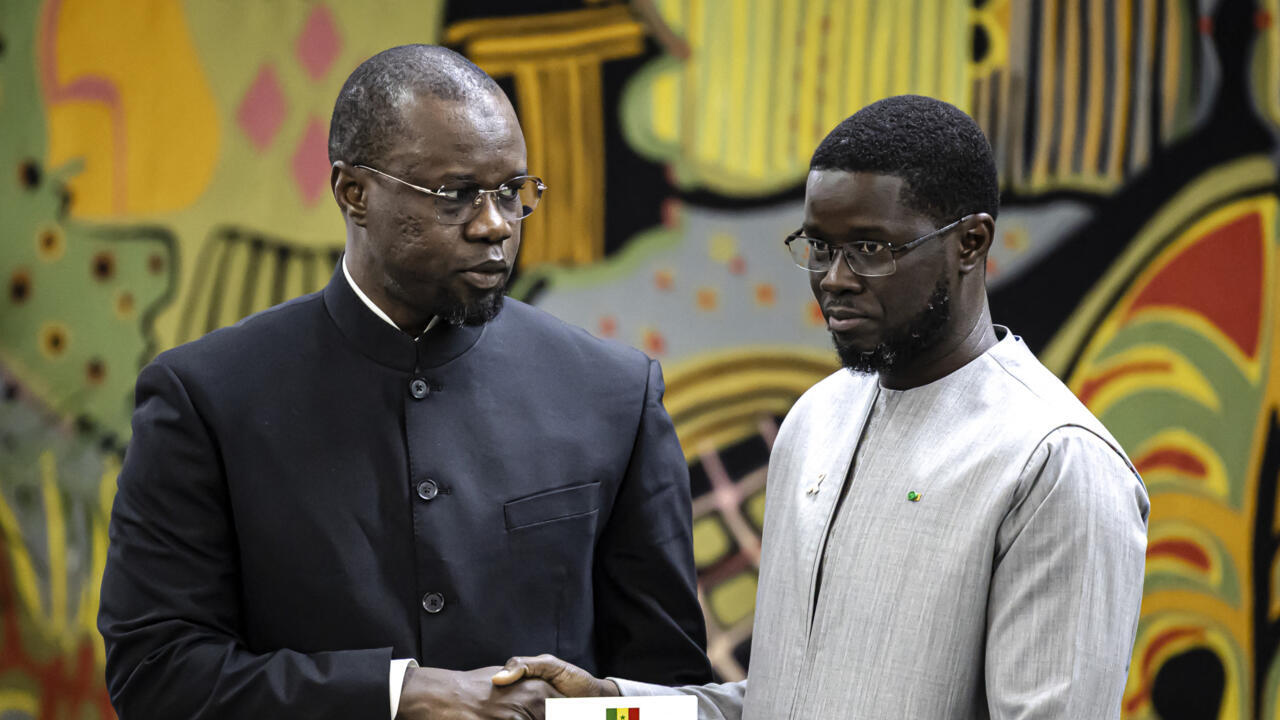
After just two years in office, the Diomaye-Sonko partnership has collapsed. President Bassirou Diomaye Faye has relieved Ousmane Sonko of his post as Prime Minister, marking a sharp turn in Senegal’s political landscape. Sonko now serves as President of the National Assembly and remains the dominant force within the Pastef party, which holds a majority in Parliament but excludes itself from the government.
How did this rupture unfold? Can the President and National Assembly Speaker coexist under these strained circumstances? And will these political conflicts overshadow the pressing needs of the Senegalese people?
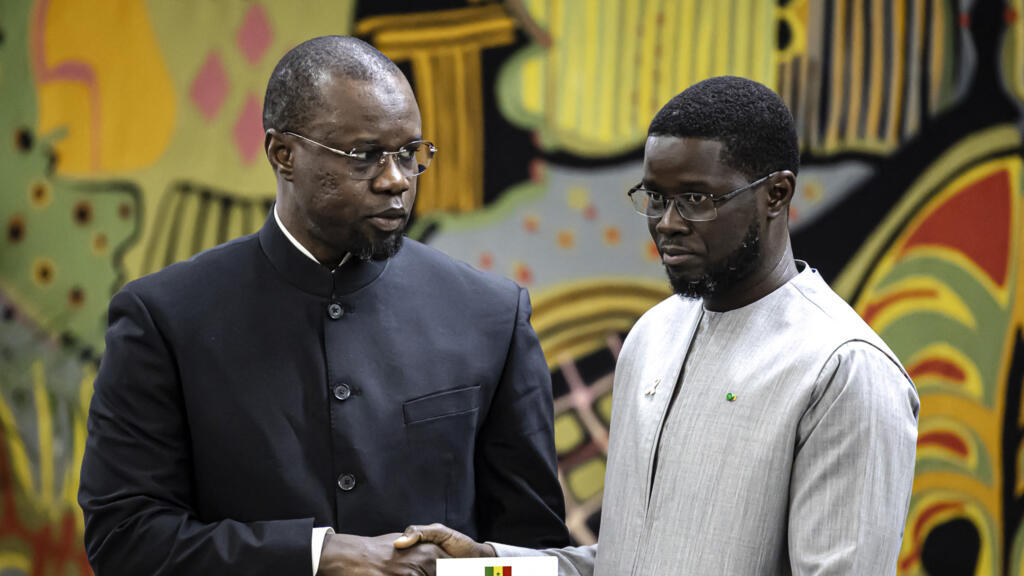
Voices shaping the debate
Key contributors in today’s discussion:
- Abdoulaye Tine — Minister-Counselor and Spokesperson for the Presidency of the Republic
- Amadou Ba — Former Minister of Culture, Member of Parliament, and National Secretary in charge of Communication for the Pastef party
- Babacar Ndiaye — Political analyst and Research Director at the Wathi think tank
What lies ahead?
The unexpected reshuffle has raised critical questions about Senegal’s political direction. With Sonko now leading the largest party outside government, tensions between constitutional powers risk deepening. Meanwhile, citizens’ priorities—economic recovery, job creation, and social stability—hang in the balance.
Will Senegal navigate this period of division with resilience, or will political infighting stall progress? The coming weeks may determine the nation’s trajectory.