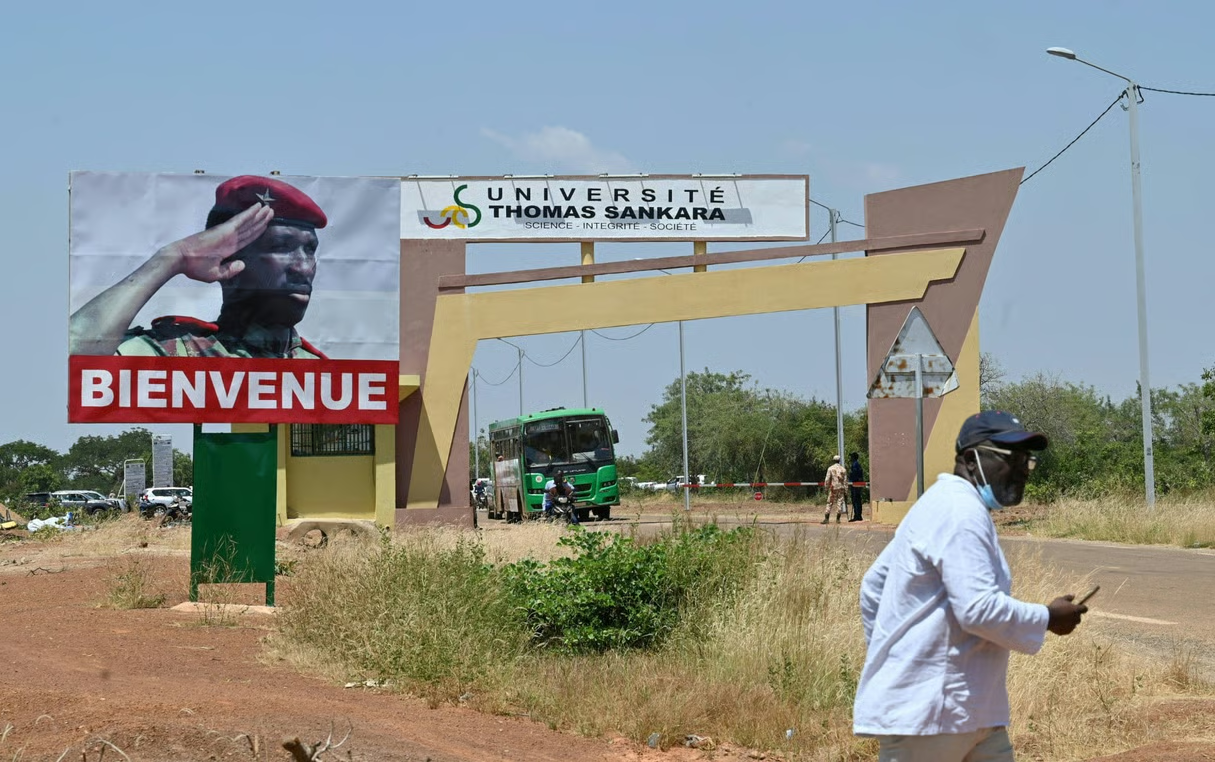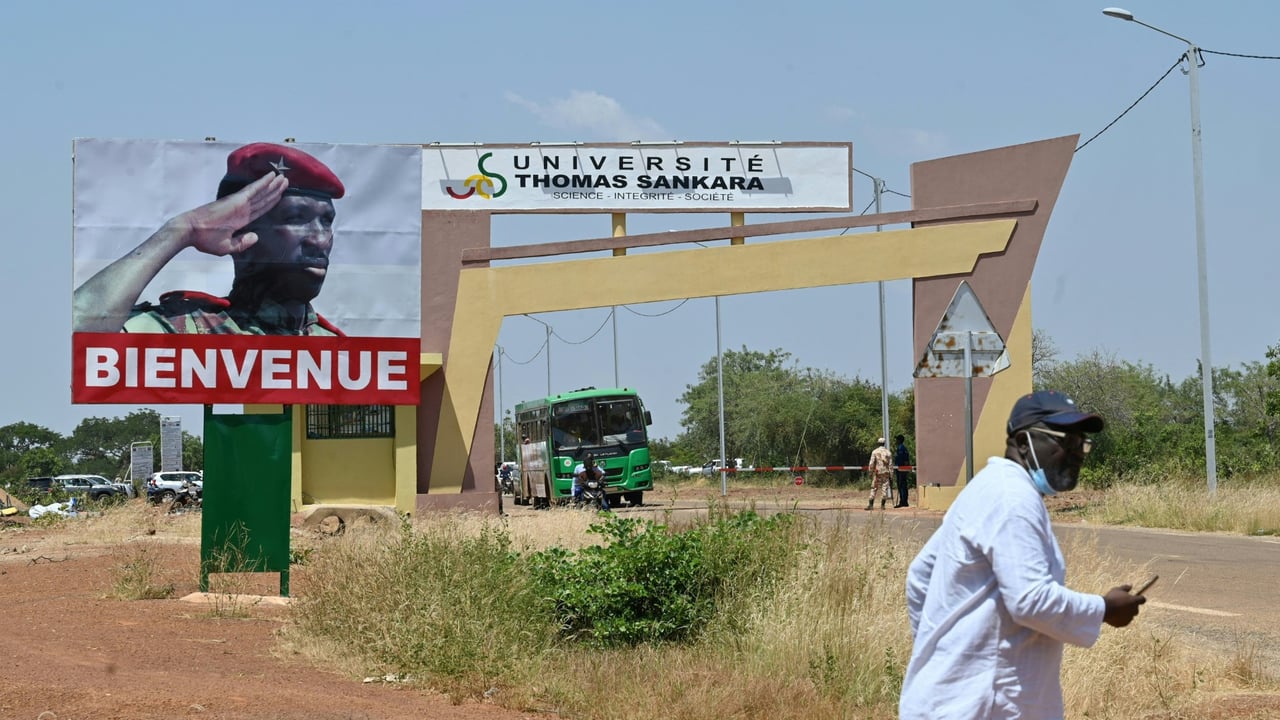
The military leadership in Burkina Faso has moved decisively by suspending the country’s largest student organization and detaining its president. This bold step underscores the junta’s tightening grip on civil society amid ongoing security and political challenges.
The intervention targets the National Union of Students of Burkina Faso (UNEB), a prominent voice in the nation’s educational landscape. Its leader, a well-known student activist, was taken into custody without public explanation, raising concerns about the implications for academic freedoms and youth representation.
why the junta’s move is significant
The suspension of UNEB marks a sharp escalation in the military government’s efforts to control dissent. Student unions have historically played a key role in shaping public discourse, particularly in matters of governance and security. By targeting this organization, authorities appear determined to suppress organized opposition, even within educational institutions.
Observers note that the decision could further strain relations with the student population, which has been vocal in advocating for transparency and accountability in the transition process. The arrest of the student leader—widely respected for his activism—has intensified debates about the future of civic engagement in Burkina Faso.
reactions and consequences
While official statements have not clarified the reasons behind the suspension, speculation points to alleged ties between the union and political groups critical of the junta. The absence of a formal explanation has fueled speculation and left many questioning the motives behind the crackdown.
Civil society groups have condemned the move, labeling it an attack on democratic principles. Meanwhile, students across the country are organizing protests, demanding the immediate release of their detained leader and the restoration of UNEB’s operations. The situation remains fluid as authorities weigh their next steps.
The unfolding events highlight the delicate balance between security imperatives and the preservation of fundamental freedoms in Burkina Faso’s evolving political landscape.