
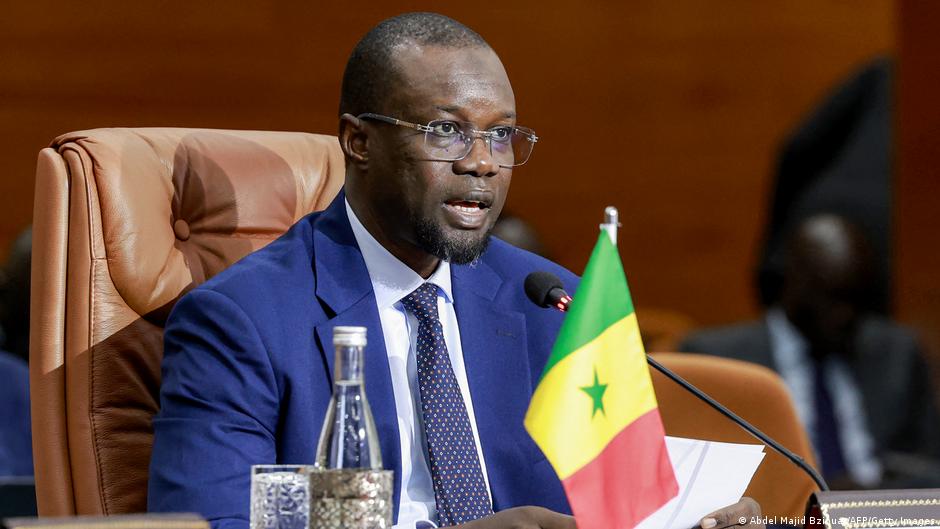
The political climate in Sénégal has grown increasingly tense since Ousmane Sonko assumed leadership roles, making criticism of his policies and actions a high-risk endeavor. Journalists, civil society leaders, and even fellow politicians now face a climate of fear, driven in large part by the aggressive online mobilization of his supporters.
Digital intimidation stifles public debate
Ousmane Sonko, as President of the National Assembly, has cultivated a powerful base of supporters who actively monitor and respond to any dissent. Critics—whether individuals or media outlets—often find themselves targeted with coordinated smear campaigns, harassment, and threats. This atmosphere of intimidation has led many to self-censor, avoiding any public opposition to avoid backlash.
Human rights advocates and local journalists report growing unease, noting that even constructive criticism is met with disproportionate online hostility. “People are afraid to speak out openly, not just for their reputation, but for their safety,” shared one Dakar-based reporter who requested anonymity.
Media and judiciary under pressure
Since taking office as Prime Minister in April 2024, Sonko has repeatedly challenged press freedom, going so far as to declare that “no media outlet should be allowed to publish unverified claims under the guise of press freedom.” His rhetoric has intensified scrutiny over journalistic independence, with many fearing it could embolden legal or regulatory reprisals against critical outlets.
His criticism has also extended to the judiciary. In late 2025, he publicly accused some magistrates of obstructing financial investigations, echoing long-standing grievances about systemic corruption. While his supporters applauded the stance, judges and legal professionals expressed concern over what they view as politically motivated interference in their independence.
Setbacks in women’s rights and representation
Beyond political and press freedoms, Sénégal is witnessing concerning regressions in gender equality. Activists point to the underrepresentation of women in government as a clear sign of backsliding. Despite the 2010 parity law, which mandates equal representation, the current administration has fewer female ministers than its predecessor. The previous government included seven women in cabinet positions, while the current one has only four—just 13% of the total.
Ossama Monique Sagna, a prominent feminist advocate, highlights the stagnation in structural reforms. “We’re still fighting for the same issues: a discriminatory Family Code, delayed implementation of the Maputo Protocol, and rising gender-based violence. Without political will, progress remains elusive.”
Her concerns are echoed by the rising number of reported femicides in 2025, with at least 18 cases documented nationwide. The lack of decisive government action has left many women’s rights groups frustrated and fearful for the future of gender equity in the country.