
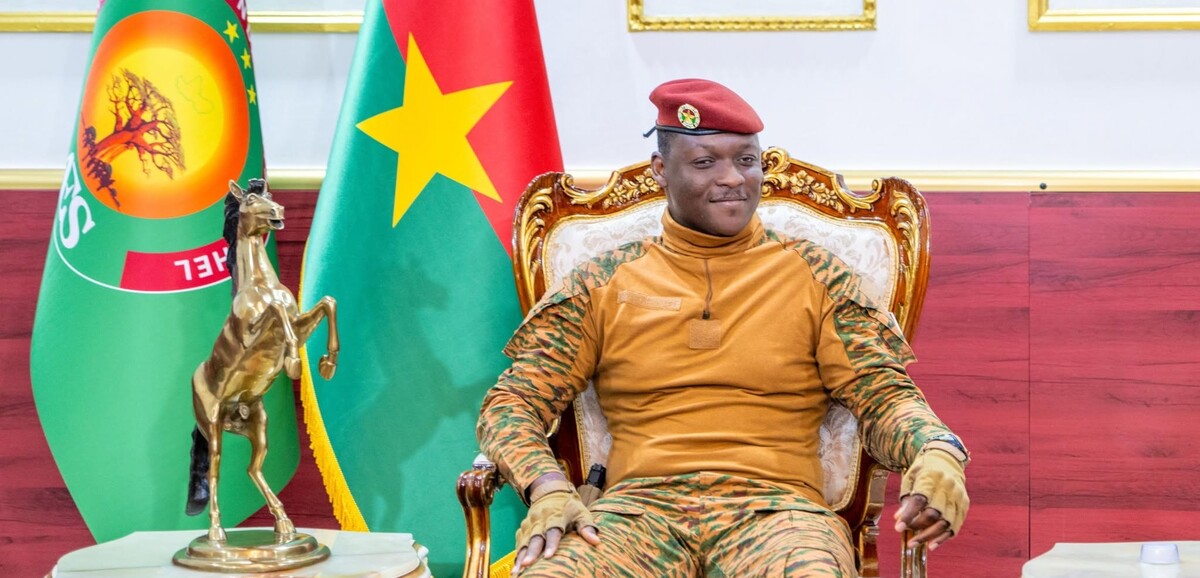
A major geopolitical shift occurred on Friday, June 26, as Burkina Faso formally ended its diplomatic relationship with France. This historic move by Captain Ibrahim Traoré’s administration solidifies a sovereignist path and reshapes the political landscape of the Sahel.
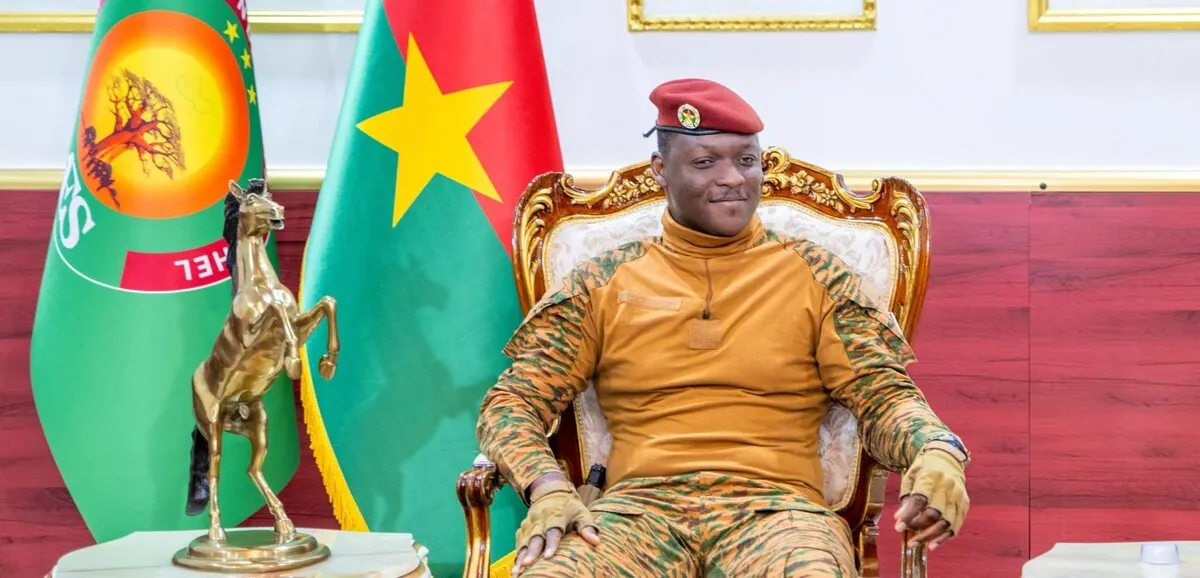
Through a statement broadcast on national television, the Burkinabè authorities confirmed the immediate termination of all diplomatic links with Paris. The leadership in Ouagadougou justifies this decision by citing persistent interference from French authorities against national interests and what they describe as “neocolonial” agendas within the region.
This rupture is the culmination of nearly two years of escalating friction following the military transition in September 2022.
Paris reacts to an “unfounded” decision
In response to the announcement, the French Ministry of Foreign Affairs expressed its disappointment, labeling the move as an “unfounded and hostile” act. Despite this official break, the government in Ouagadougou was quick to clarify that while state-to-state diplomacy is ending, the historical, cultural, and human connections between the people of France and Burkina Faso remain intact.
A long-term strategy for sovereignty
Since taking office, Captain Ibrahim Traoré has systematically dismantled previous ties with the former colonial power. The groundwork for this final separation was laid in 2023, when the administration successfully pushed for the withdrawal of French military forces from the territory, revoked defense cooperation pacts, and demanded the departure of the French ambassador.
Furthermore, the government has tightened its grip on the information landscape. Several international media outlets have been barred from operating in the country, and numerous foreign correspondents have been forced to leave Burkina Faso over the past year.
Regional implications and the rise of the AES
Beyond bilateral relations, this move reflects a broader trend in West Africa. Burkina Faso, alongside Mali and Niger, has distanced itself from the Economic Community of West African States (CEDEAO) to form the Alliance of Sahel States (AES). This new coalition aims to establish a regional framework entirely independent of traditional Western influence.
Domestically, the administration continues to consolidate its power. Human rights organizations have noted an increase in restrictive measures targeting civil society members, religious figures, student groups, and the press. This definitive break with France represents a pivotal moment in the region’s security and diplomatic architecture, signaling a new era for Burkina Faso on the international stage.