

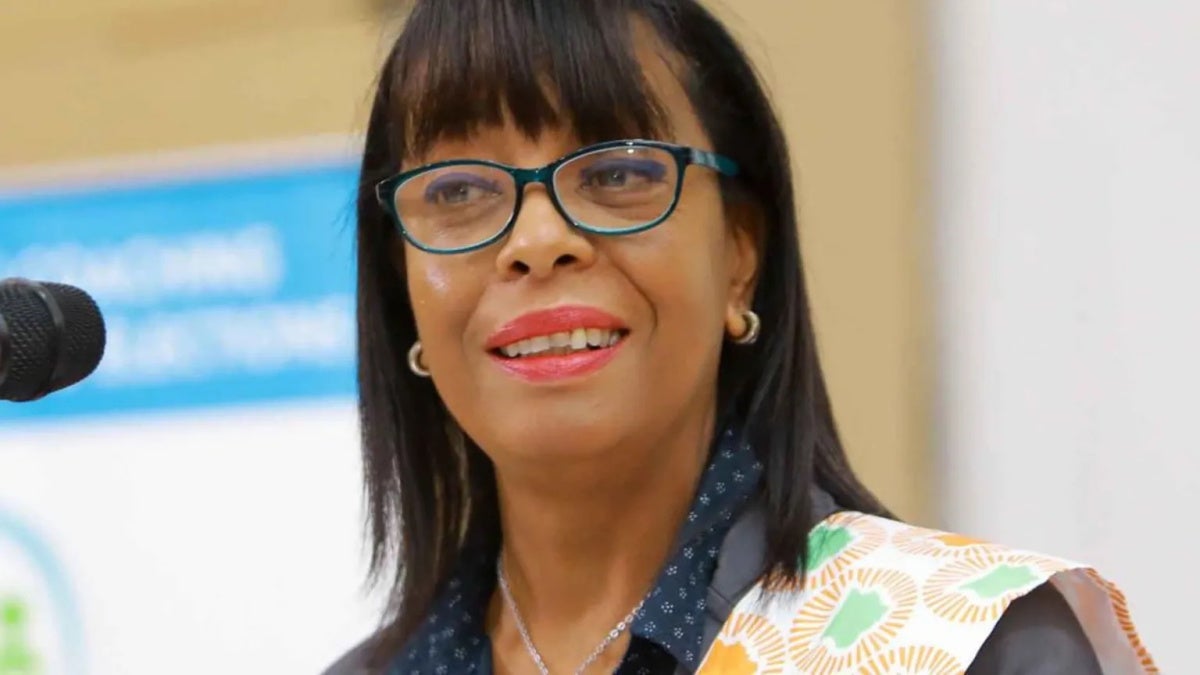
The military leadership in Burkina Faso has officially expelled Carol Flore-Smereczniak, the leading United Nations representative in the country. By designating her as persona non grata earlier this week, the junta reacted to a United Nations report detailing severe human rights violations against children within the nation.
This move marks the second time a high-ranking UN official has been forced out by the current administration, following the 2022 expulsion of Barbara Manzi. These actions underscore a growing resistance from the junta toward any independent international monitoring of the domestic situation.
Official spokespeople for the government claimed that Carol Flore-Smereczniak was involved in drafting the April report, which examines how the ongoing armed conflict in Burkina Faso impacts minors. The authorities have flatly denied the report’s findings, which attribute abuses to government forces, pro-junta militias, and anti-government Islamist insurgent groups.
Documented violations against minors
Between July 2002 and June 2024, the UN documented 2,483 major violations affecting 2,255 children. These incidents include abductions, killings, and the forced recruitment of youths into armed groups or security units. According to the data, Islamist militants were responsible for 65 percent of these atrocities. The remaining violations were linked to the national security forces of Burkina Faso and the Volunteers for the Defense of the Homeland (VDP), which are civilian auxiliary units supporting the military.
Furthermore, the investigation highlighted a disturbing rise in attacks targeting educational institutions. It also raised serious alarms regarding the “detention of children” based on suspected ties to insurgent groups. These findings align with long-term documentation of abuses committed by all sides of the conflict since 2016, including targeted violence against students and teachers.
Strained relations with the United Nations
The relationship between the junta and the United Nations has deteriorated significantly in recent months. In March, the Foreign Minister criticized the UN for using what he called “inappropriate” language, specifically objecting to the term “non-state armed groups” for those the government labels as terrorists. The administration also took issue with the UN describing the VDP as “militias.” By July, the government formally requested that the UN “refocus” its operations in Burkina Faso to better match the specific “vision” of the country’s leadership.
Since the 2022 coup d’état, military authorities have consistently tightened their grip on power, targeting political opponents, independent media outlets, and various dissenting voices. Experts suggest that instead of attempting to suppress reports of misconduct, the government should cooperate with international bodies to implement a formal strategy to end these human rights abuses.