
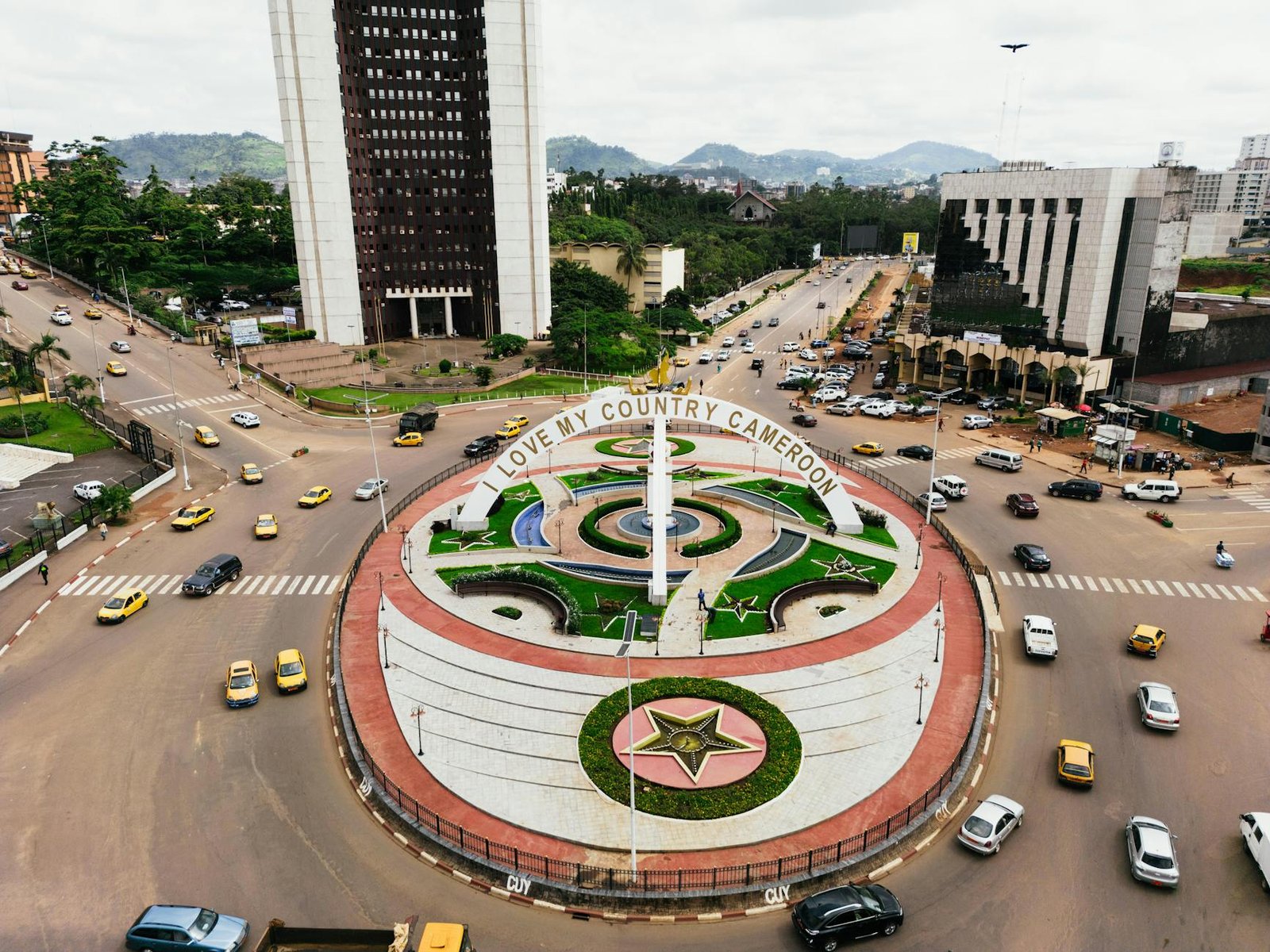
The government of Cameroon is preparing to expand its workforce once again. A new administrative directive has confirmed the opening of 2,090 positions across various state departments for the year 2026. While these numbers are modest compared to historical highs, they represent a clear shift away from the rigid hiring freezes implemented over the last four years to manage the national budget.
Healthcare and education lead the 2026 recruitment drive
The bulk of this new recruitment is concentrated in two vital sectors. Public health is set to receive a specific allocation of 200 positions for medical specialists, an essential move as hospitals across Cameroon look to improve their specialized care capabilities. Education remains the largest beneficiary, with 1,000 spots reserved for teachers being integrated through the trainee program.
The distribution of these roles also reflects the country’s commitment to its dual-language educational system. In general education, 322 positions are designated for the Francophone subsystem, while 285 are allocated to the Anglophone side. Technical education follows a similar pattern, with 193 spots for Francophone schools and 200 for Anglophone institutions. Outside of these priority areas, hiring remains strictly controlled, showing that the government is still cautious about expanding other administrative branches.
This is the first time since 2023 that the number of available posts has surpassed the 2,000 mark. That year, the administration authorized 2,235 recruitments to meet the specific personnel needs outlined in the National Development Strategy 2020-2030. Since then, the numbers had remained significantly lower as the state prioritized fiscal management.
A decade of budgetary constraints in the public sector
The current recruitment figures highlight a stark contrast with previous years. In 2018 and 2019, the state opened over 5,000 positions annually. However, a major policy shift occurred in 2021, when only 1,536 roles were made available, followed by a drop to fewer than 1,000 in 2022. Even in 2024, the government barely exceeded 1,200 openings, signaling a long-term commitment to controlling the size of the civil service.
This restrictive approach is a response to economic realities. The state’s total wage bill climbed from 706.1 billion FCFA in 2012 to 1,080.1 billion FCFA by 2021. This increase of more than 50% in less than ten years has consumed a larger portion of tax revenue, leaving less room for essential public investments. Much of this growth was driven by large-scale hiring in the military and secondary education sectors in the past.
Exceeding the Cemac ceiling on personnel spending
Cameroon’s fiscal discipline is also influenced by regional standards. As a member of the Economic and Monetary Community of Central Africa (Cemac), the country is expected to keep its personnel expenditures below 35% of its tax revenue. However, Yaoundé has frequently struggled to stay within this limit.
This challenge is shared across the region. Recent data indicates that none of the six member states met the regional benchmarks for tax pressure and wage bill management in 2024. For Cameroon, the largest economy in the zone, staying above this ceiling remains a structural budgetary hurdle.
The strategy for 2026 attempts to strike a balance. The goal is to address the urgent needs in healthcare and education without triggering a wage spiral that could alarm international financial partners. For those seeking a career in the civil service, this announcement offers a vital opportunity after half a decade of limited prospects. For the executive branch, it serves as a major test of balancing social service requirements with financial stability.