
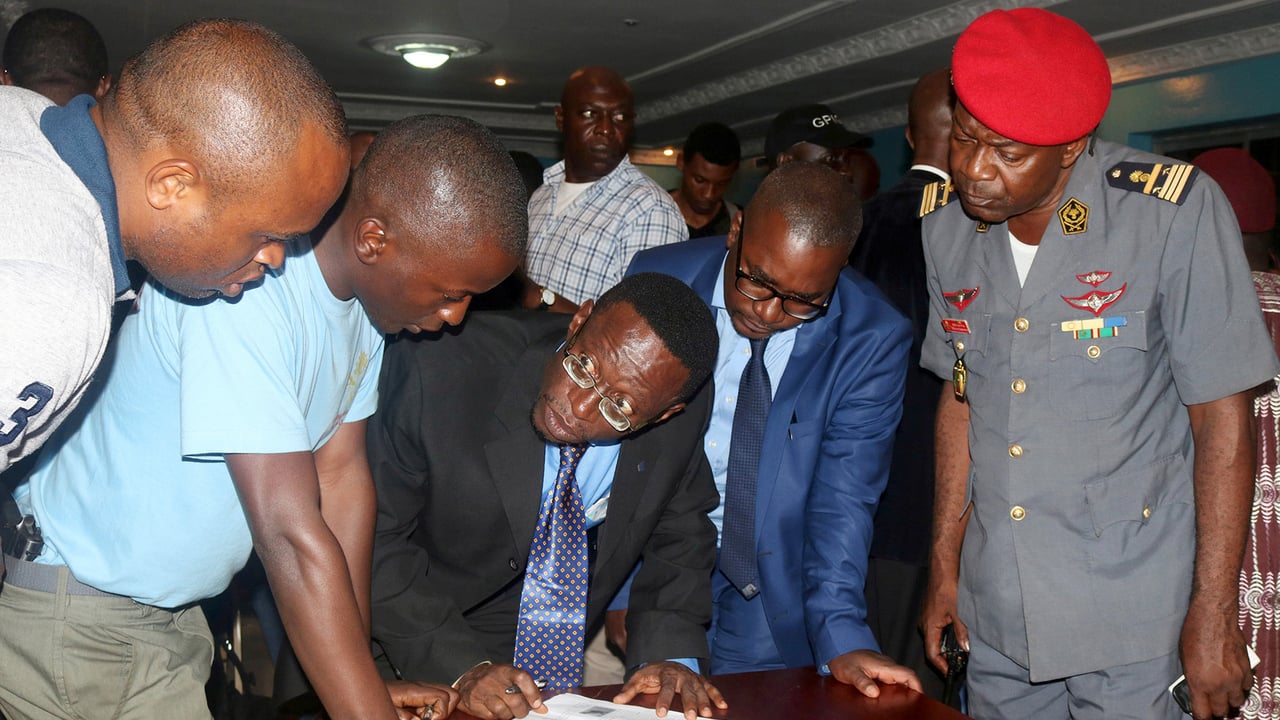
As Cameroon’s anglophone regions remain locked in a decade of unrest, the government’s refusal to engage in meaningful dialogue is pushing the nation toward an unprecedented crisis. Human rights lawyer Felix Agbor Balla has issued a stark warning: ignoring calls for negotiation is not just a political misstep—it may be the tipping point toward national collapse.
What is at stake if Yaoundé continues to sidestep dialogue?
Cameroon’s anglophone crisis, now entering its tenth year, has left deep scars across the Northwest and Southwest regions. Thousands have perished, entire villages lie in ruins, and hundreds of thousands have been displaced. Yet, despite the mounting humanitarian toll, the central government in Yaoundé continues to dismiss calls for dialogue as a sign of weakness. Felix Agbor Balla, a prominent lawyer and human rights defender, warns that this rigid stance risks turning a manageable conflict into an irreversible catastrophe.
The refusal to engage in negotiations is not just a diplomatic failure—it is fueling deeper divisions. Economic activity has ground to a halt in affected areas, infrastructure lies in tatters, and education has been disrupted for generations of children. The longer dialogue is delayed, the more entrenched the crisis becomes, making recovery—and peace—nearly impossible.
Why does dialogue represent strength, not surrender, for Cameroon?
Felix Agbor Balla argues that engaging in dialogue is not a concession; it is a strategic imperative. In a recent statement, he emphasized that genuine leadership requires the courage to listen, even to those with opposing views. “Dialogue is not a sign of weakness—it is the hallmark of a government committed to protecting its people and preserving the nation,” he stated.
Balla’s position is rooted in both moral and practical reasoning. On the ground, communities are suffering daily. Schools remain closed, hospitals lack supplies, and families live in constant fear. A refusal to negotiate only deepens resentment and fuels separatist sentiments further. From an economic perspective, the cost of inaction is crippling: trade has evaporated, foreign investment has dried up, and the country’s international reputation is eroding. Dialogue, Balla insists, is the only way to reverse this downward spiral.
Key consequences of continued refusal to negotiate
- Accelerated erosion of national unity and increased separatist demands
- Worsening humanitarian conditions with rising displacement and poverty
- Severe economic slowdown in anglophone regions and nationwide spillover effects
- Irreversible damage to Cameroon’s global standing and diplomatic relations
- Risk of prolonged conflict, with unpredictable escalation and loss of life
Can Cameroon afford to wait any longer?
The warning from Felix Agbor Balla is clear: time is not neutral. Every day that passes without dialogue increases the cost—human, economic, and political. The government’s intransigence is no longer just a policy choice; it is a gamble with the future of Cameroon itself.
As the crisis escalates, so does the urgency for action. The nation stands at a crossroads: one path leads to deeper fragmentation and potential state failure; the other, to reconciliation and recovery. The choice, as Balla frames it, is not about strength versus weakness—it is about survival.
Will Yaoundé finally heed the call for dialogue? Or will Cameroon continue down the path of self-destruction, at the expense of millions of its citizens?