
Why west Africa’s fastest-growing economy faces a pivotal moment
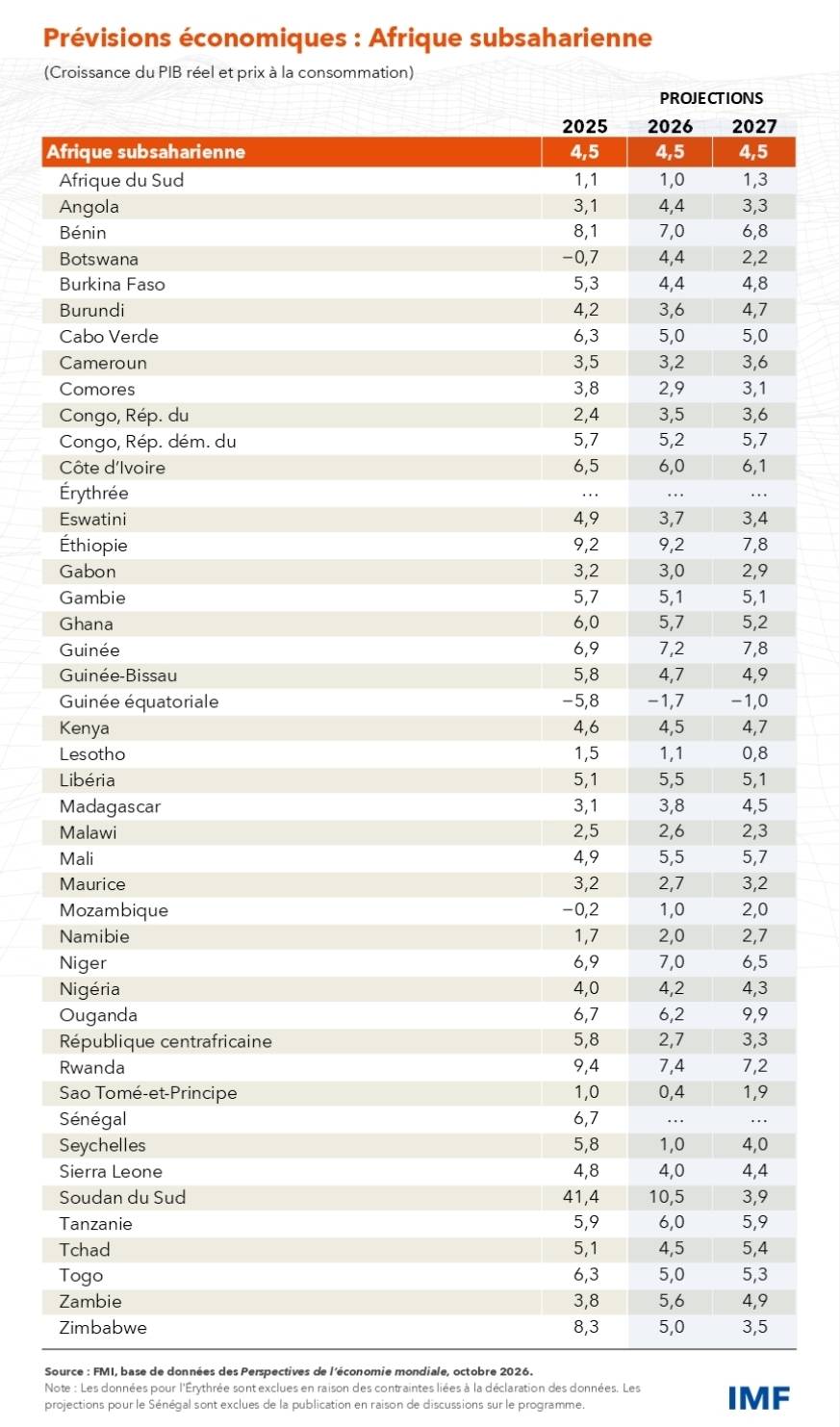
The question looms large across economic forums in Dakar, Lagos, and Abidjan: can Benin’s remarkable growth trajectory hold steady through 2027? With projected GDP expansion of 7 % in 2026 followed by 6.8 % in 2027 well above the regional average of 4.5 % the country has firmly established itself as West Africa’s standout performer. Yet behind these stellar numbers lies a strategic dilemma: will the current momentum translate into measurable improvements in living standards, or will the gains remain confined to macroeconomic headlines?
From statistical outlier to regional benchmark
According to the latest IMF projections, Benin is not merely outperforming its neighbors it is redefining what is possible in West African economic development. The IMF’s October 2026 outlook places the country in an exclusive league: the only West African nation among the top three fastest-growing economies in sub-Saharan Africa. After an 8.1 % expansion in 2025, the economy is on track to achieve 7 % growth in 2026 and 6.8 % in 2027, marking three consecutive years of growth that surpasses both regional and continental peers.
How Benin outpaces the West African average
The stark contrast is undeniable. While sub-Saharan Africa’s average growth stabilizes at 4.5 % for 2026 and 2027, Benin’s figures stand nearly two percentage points higher. This performance reflects a deliberate policy focus on economic diversification, infrastructure investment, and private-sector development areas long considered barriers to inclusive growth in the region. For policymakers in neighboring countries, Benin’s trajectory offers a compelling case study in what sustained policy commitment can achieve.
The promise and the peril of high growth
Yet growth alone does not guarantee prosperity. Analysts emphasize that the true measure of success lies not in GDP expansion but in how these gains ripple through society. Will the new jobs created be high-quality and sustainable? Will rising incomes reach rural communities and urban youth? And can inflation remain under control while public services improve? These are the questions that will determine whether Benin’s growth translates into tangible welfare improvements or leaves large segments of the population behind.
Where the numbers meet everyday lives
Consider the agricultural sector, which employs over 70 % of the workforce. While mechanization and export-oriented policies have boosted output, many smallholder farmers still lack access to modern inputs and financial services. Similarly, the manufacturing base critical for job creation remains underdeveloped despite incentives for industrial parks. For Benin to convert growth into shared prosperity, these structural gaps must be addressed through targeted interventions in education, vocational training, and access to credit.
Lessons for West Africa: imitation or inspiration?
Benin’s rise has sparked regional debate. Should other countries replicate its policies wholesale, or adopt specific elements tailored to their contexts? The answer likely lies in the latter. While Benin’s focus on agricultural modernization, port efficiency, and digital infrastructure has set it apart, its challenges such as youth unemployment and regional trade barriers—are familiar across West Africa. The key takeaway is not a one-size-fits-all model, but rather the importance of consistent policy execution, private investment attraction, and inclusive growth strategies.
Building resilience beyond the headlines
External shocks remain a persistent threat. Fluctuations in global commodity prices, climate-related disruptions, and geopolitical tensions could derail even the most robust growth plans. Benin’s ability to maintain its leadership will hinge on diversifying revenue streams, strengthening social safety nets, and deepening regional economic integration. By doing so, it can not only sustain its growth but also serve as a stabilizing force in a volatile subregion.
Measuring success beyond the rankings
The IMF’s latest figures have thrust Benin into the continental spotlight, but this ranking is not an end in itself. The ultimate benchmark of success will be whether the country can leverage its economic gains to reduce poverty, improve education and healthcare access, and create a business environment that empowers entrepreneurs especially women and young people. If it succeeds, Benin may well become a model not just for growth, but for inclusive development in West Africa. If it falters, the lesson will be clear: even the most impressive statistics cannot substitute for real change on the ground.
By Yvette Tchuente — Journalist