
Morocco News
Can Morocco’s new cabinet appointments reshape the nation’s economic future?
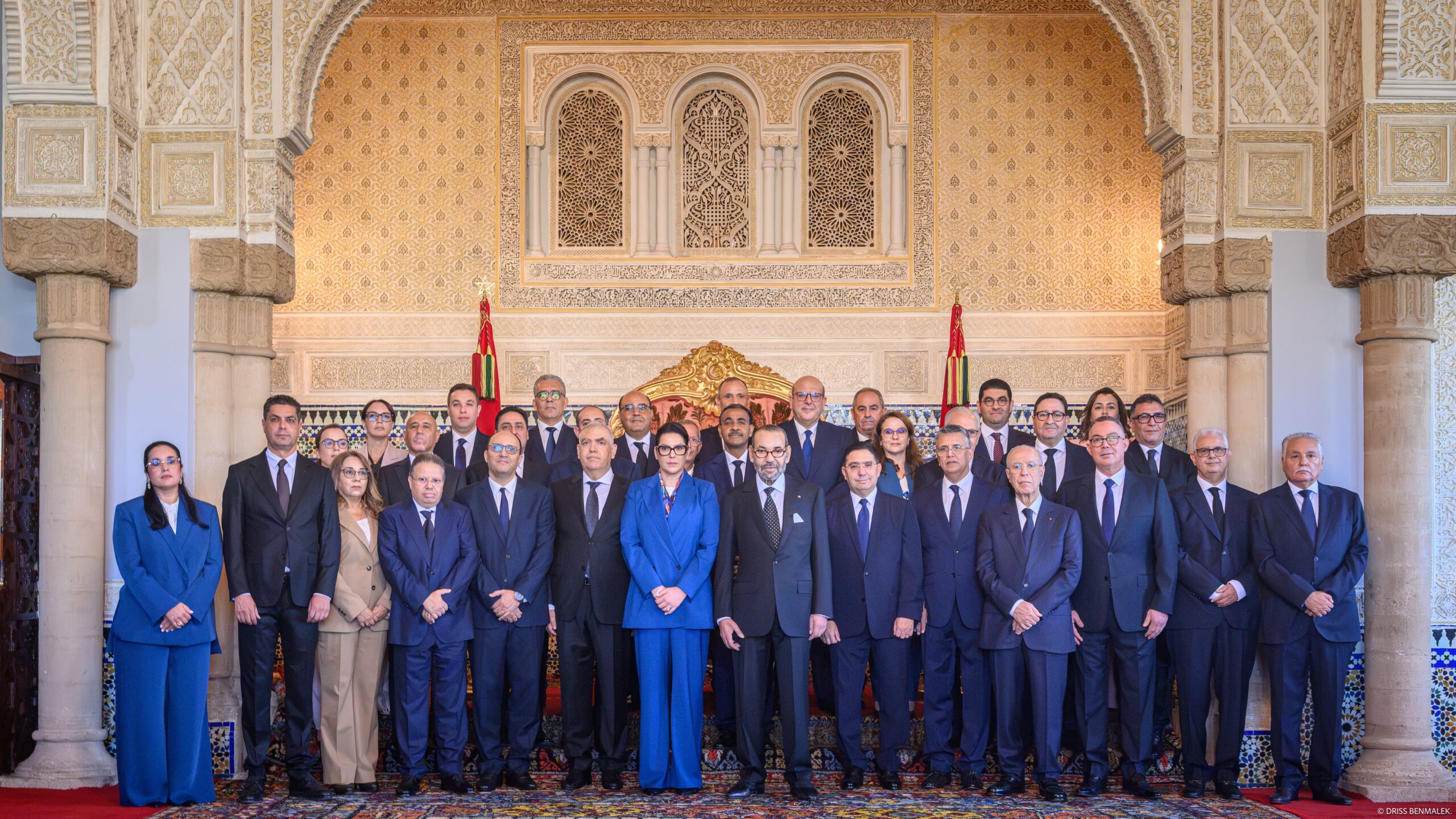
On Friday, October 16, 2026, King Mohammed VI presided over a historic ceremony at the Royal Palace in Rabat, marking the official formation of Morocco’s new government. As the nation watches closely, the newly appointed ministers took their oaths of office before the Monarch, signaling a potential shift in policy priorities and economic direction.

The reshuffle comes at a pivotal moment for Morocco, as the new cabinet assumes office amid economic pressures and global trade uncertainties. With key sectors such as tourism, manufacturing, and renewable energy under scrutiny, the King’s choices will determine whether the government can deliver on its promises of economic resilience and sustainable growth.
Among the most anticipated announcements are the appointments in the Ministry of Economy and Finance, Ministry of Industry and Trade, and Ministry of Energy Transition. These portfolios are critical as Morocco seeks to diversify its economy, attract foreign investment, and accelerate its transition to green energy.
Business leaders and analysts are closely monitoring the new team’s ability to stimulate private sector growth, improve fiscal policies, and address unemployment challenges. The cabinet’s first major test will be the presentation of the 2027 budget, which is expected to outline bold reforms and strategic investments.
Meanwhile, public expectations remain high, with citizens demanding better job opportunities, affordable housing, and improved public services. The new government faces the dual challenge of reviving economic confidence while maintaining social stability.
Who are the key ministers driving this transformation?
While the full list of appointments has been made public, three names stand out for their potential impact:
- Minister of Economy and Finance: Tasked with stabilizing public finances and fostering private sector collaboration.
- Minister of Industry and Trade: Focused on boosting exports and attracting foreign direct investment.
- Minister of Energy Transition: Leading Morocco’s push toward renewable energy dominance in North Africa.
The success of these appointments will hinge on the government’s ability to align short-term economic relief with long-term structural reforms.
What challenges lie ahead for the new government?
Despite the optimism surrounding the reshuffle, significant hurdles remain:
- Inflation and cost of living: Rising prices threaten household purchasing power.
- Public debt sustainability: Balancing infrastructure spending with fiscal responsibility.
- Regional geopolitical risks: Navigating tensions with neighboring countries while securing trade partnerships.
- Climate change impacts: Ensuring Morocco’s green energy transition stays on track.
A turning point for Morocco’s economy?
The new cabinet’s ability to address these challenges will define Morocco’s trajectory in the coming years. Will the King’s strategic appointments spark a new era of economic prosperity, or will the pressures of global instability prove too great to overcome? The nation waits with bated breath.