
Cameroon’s debt nears 15.6 trillion FCFA: inside the behind-the-scenes pressure on public finances
The rapid accumulation of Cameroon’s public debt, now standing at 15.6 trillion FCFA (approximately 23.7 billion USD) by mid-2026, is not just a number on a balance sheet—it’s a reflection of deeper financial dynamics shaping the country’s fiscal future. With public debt now accounting for 44.2% of GDP, up from 14.4 trillion FCFA just a year earlier, the government’s borrowing surge has triggered urgent scrutiny from multilateral financial institutions. Behind this escalation lies a complex interplay of infrastructure financing needs, budgetary gaps, and mounting debt service obligations. Now, as the International Monetary Fund (IMF) issues fresh warnings, the question is no longer if Cameroon can borrow, but whether it can afford to—without undermining long-term economic stability.
How Cameroon’s debt ballooned to 15.6 trillion FCFA
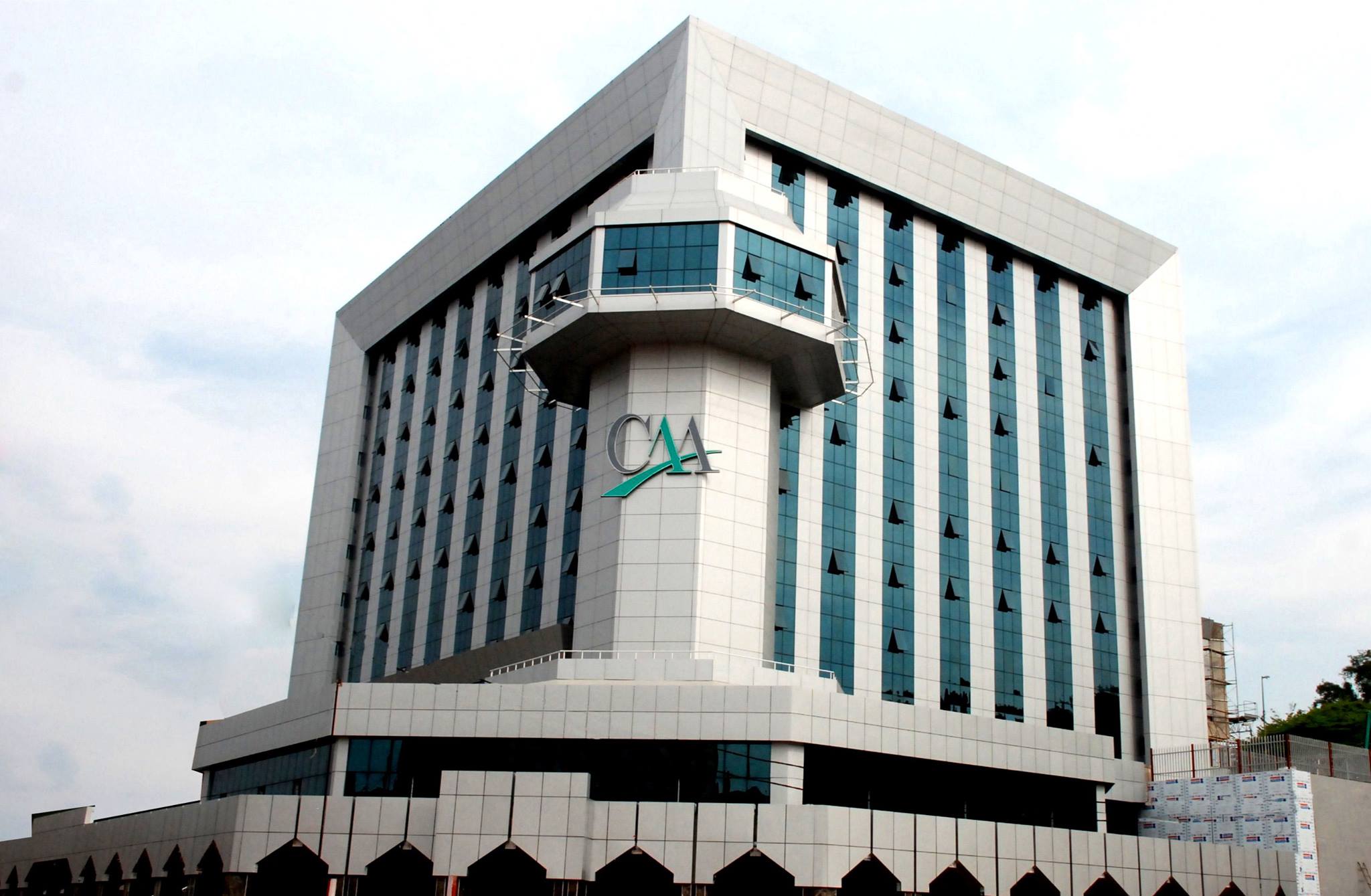
Cameroon’s debt trajectory accelerated in 2026, driven by government efforts to fund critical infrastructure, cover recurring budget deficits, and honor existing obligations. According to the Caisse Autonome d’Amortissement (CAA), the country’s total public debt reached 15.607 trillion FCFA by June, up from 14.409 trillion FCFA a year earlier. This increase is partly attributed to new loan commitments initiated throughout the first half of the year, as authorities sought to maintain momentum on development projects amidst tightening fiscal constraints.
While the headline figure is clear, the composition of this debt reveals strategic decisions—and trade-offs. In January 2026, President Paul Biya authorized the Ministry of Finance to raise up to 1.65 trillion FCFA through a mix of domestic and international borrowing. This authorization included:
- 400 billion FCFA in Treasury bond issuance
- 250 billion FCFA in direct loans from national private financial institutions
- 1 trillion FCFA in international capital market financing
However, these figures represent borrowing capacity rather than actual disbursements. By June, only 800.7 billion FCFA had been raised from domestic markets, according to CAA data. Meanwhile, new loan approvals in the first six months reached 514 billion FCFA—spread across multiple agreements designed to keep infrastructure projects on track.
The cost of ambition: infrastructure projects driving debt higher
Several high-profile infrastructure initiatives are directly linked to this debt surge. One standout example: a 130.4 billion FCFA loan, backed by UK Export Finance and issued by Standard Chartered Bank, was secured for the Ebolowa–Akom II–Kribi road project. This came on top of an earlier commercial loan of 7.8 billion FCFA for the same corridor. Together, these commitments signal Cameroon’s reliance on diversified financing sources to advance strategic transport networks.
In October 2026, the government approved an additional 347.5 million euros (about 228 billion FCFA) from the World Bank to support the Douala–Bangui economic corridor. A separate 212.35 million euro (139 billion FCFA) credit line was sanctioned for the rehabilitation of the Douala–Bafoussam highway. Collectively, these two agreements alone authorize nearly 367 billion FCFA in new project financing—pushing total approved borrowing for infrastructure well beyond initial forecasts.
These infrastructure-driven commitments are mirrored in the 2026 national budget, which allocates 3.1 trillion FCFA for borrowing and financing needs out of a total budget of 8.8 trillion FCFA. This allocation covers not only deficit reduction and debt servicing but also broader obligations tied to economic stabilization and public investment.
IMF’s sobering assessment: liquidity crunch and debt sustainability at risk
The IMF’s latest Article IV assessment, published on October 1st, 2026, delivers a sobering verdict: Cameroon’s debt burden still poses a high risk of debt distress, even as the Fund acknowledges medium-term viability. While the headline risk level remains unchanged from previous reports, the IMF now emphasizes structural pressures that could erode debt sustainability over time. These include:
- Liquidity constraints: Heavy debt service obligations—totaling over 1 trillion FCFA in principal and interest repayments during the first half of 2026—are straining the government’s cash flow.
- Over-reliance on commercial borrowing: The shift toward non-concessional loans, particularly from international markets, increases exposure to exchange rate volatility and higher interest costs.
- Regional debt market saturation: With domestic borrowing capacity near its limit, Cameroon faces rising costs and limited access to regional financing windows.
IMF recommendations: a call for fiscal discipline and revenue mobilization
The Fund urges Cameroon to adopt a more conservative borrowing posture, prioritize concessional financing, and accelerate domestic revenue mobilization. It also highlights the need to slow down large-scale infrastructure spending unless it is demonstrably productive and financially sustainable. These recommendations are not new—but their urgency has intensified as total debt approaches the 15.6 trillion FCFA threshold, a psychological and economic milestone that could reshape market perceptions.
What comes next? Beyond the headline debt figure
As Cameroon grapples with this evolving fiscal landscape, the conversation is shifting from how much the country can borrow to what it can responsibly sustain. The gap between authorized and disbursed funds—evidenced by the 1.65 trillion FCFA ceiling approved in January versus only 800.7 billion FCFA raised by mid-year—raises questions about execution speed, project readiness, and absorption capacity.
With another 3.1 trillion FCFA earmarked for borrowing in the 2026 budget, the government faces a delicate balancing act: maintain critical infrastructure growth while preventing debt from spiraling beyond control. Whether Cameroon can navigate this fine line will depend not just on borrowing limits, but on the real returns generated by each project— and the discipline to prioritize sustainability over short-term ambition.
What is certain is that the 15.6 trillion FCFA mark is more than a statistic. It’s a turning point—one that demands a clearer fiscal strategy, stronger governance, and a sustained commitment to economic resilience in the face of rising debt pressures.