
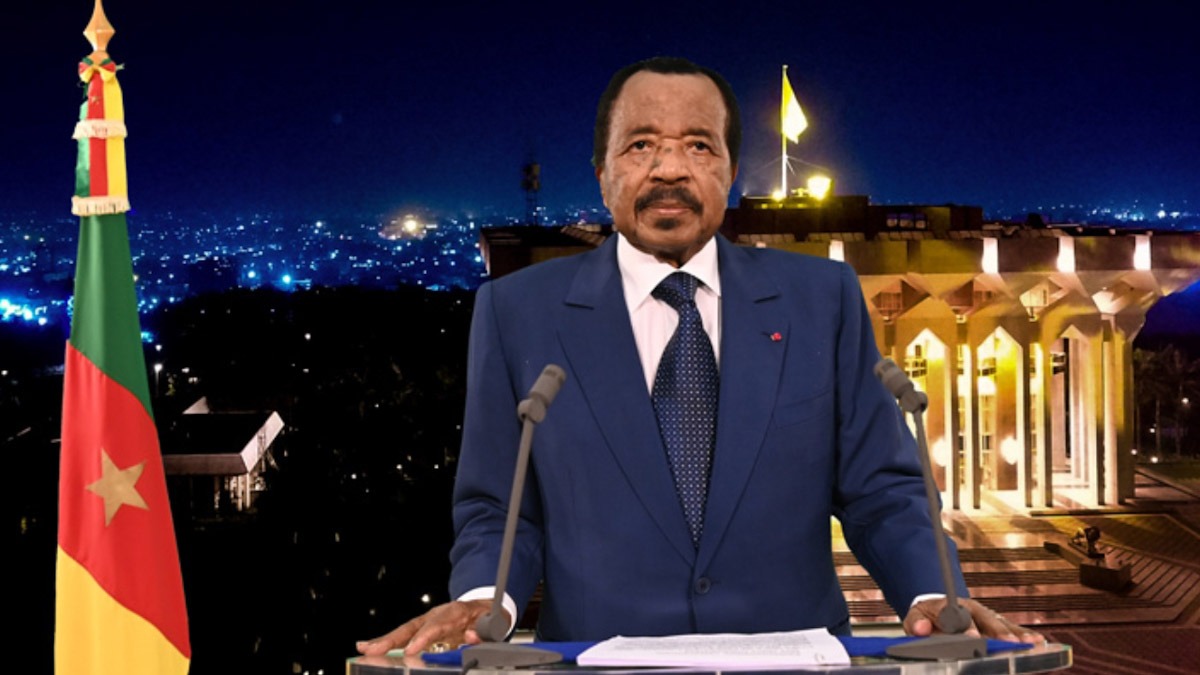
Cameroon’s economy and daily life may be grinding to a halt. Since June 7, 2026, when President Paul Biya left Yaoundé for what was described as a brief private stay in Europe, the nation has operated in an unprecedented state of limbo. Over two months later, with no public appearances or official return date in sight, the silence at the highest level of government is no longer just a political talking point—it’s a growing crisis with tangible consequences.
Economic paralysis: markets falter and investments freeze under prolonged leadership absence
Cameroon’s hyper-centralized governance model places the president at the heart of every major economic decision. This prolonged absence has triggered a domino effect of institutional and financial paralysis:
- Market jitters and investor hesitation: Cameroonian dollar-denominated bonds are among the worst-performing in Africa, with credit ratings agencies like Moody’s, Fitch, and S&P highlighting the lack of clarity on succession and the perceived political instability.
- Infrastructure and PPP projects stalled: Critical infrastructure projects and public-private partnerships require high-level arbitration. Without executive decisions, files pile up on ministerial desks, delaying fund disbursements and stalling budget execution.
- Administrative stagnation persists: Despite a constitutional reform in April 2026 that introduced the vice-presidential position to mitigate leadership vacuums, the role remains unfilled. A long-anticipated cabinet reshuffle has also stalled, prolonging bureaucratic inertia.
Social unrest: rising costs and public frustration amid leadership vacuum
The impact on citizens is both immediate and concerning:
- Soaring living costs: Inflation continues to erode household purchasing power, particularly for essential goods and fuel. Without responsive fiscal adjustments or price controls, the cost-of-living crisis deepens.
- Distrust and anxiety fuel unrest: The absence of official communication has fueled rampant speculation on social media, breeding resentment among the population and youth. The lack of transparency is seen as a sign of disregard, stoking social tensions.
- Neglected priorities: Critical issues such as the crisis in the North-West and South-West regions, youth unemployment, and deteriorating infrastructure remain unresolved due to a lack of political momentum.
A revealing moment for Cameroon’s structural weaknesses
The prolonged absence of President Biya is exposing the fragility of Cameroon’s institutional model—a system where power is concentrated in a single figure. When that figure is absent, the entire socio-economic framework falters, revealing deep vulnerabilities in governance and decision-making.
For Cameroon to restore investor confidence and social stability, urgent action is needed: restoring transparent governance and resuming the normal functioning of state affairs must become immediate priorities.