
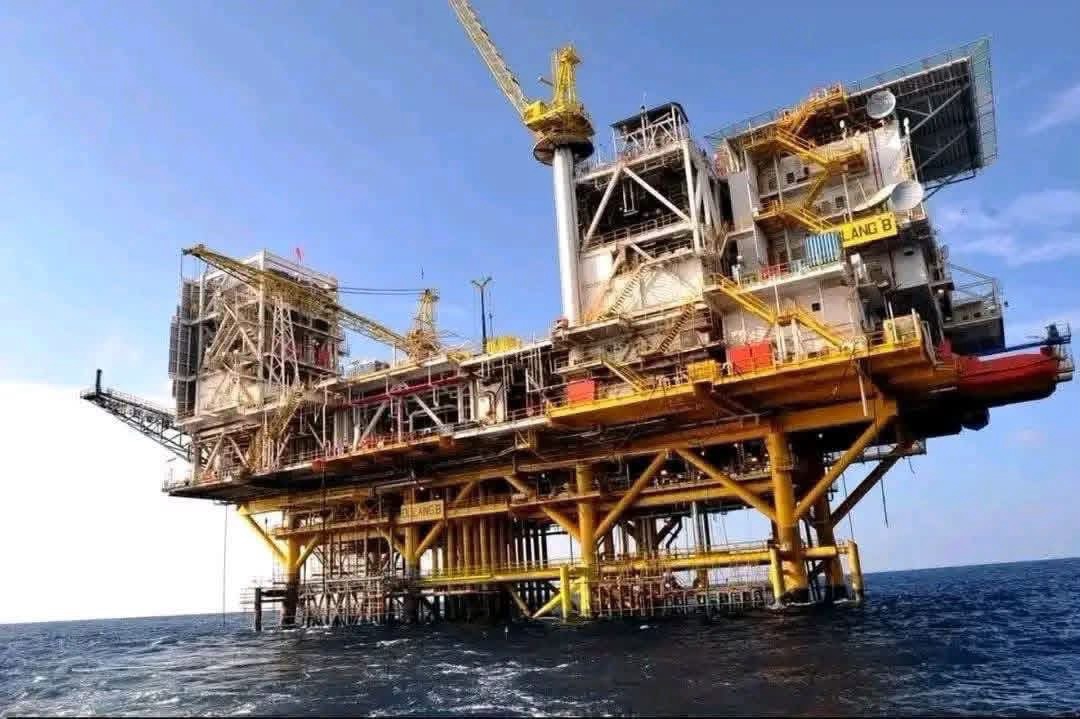
With the first shipment of 330,000 barrels of crude oil from the offshore Sèmè field bound for Rotterdam, Benin has reignited its role in the global energy market after nearly three decades of inactivity. The vessel Kriti Jade, contracted to transport the cargo, is scheduled to arrive in the Dutch port on November 18, 2026, marking a historic milestone in the country’s economic revival.
From dormancy to commercial revival: how Sèmè’s oil returned to the global stage
The Sèmè oil field, located off Benin’s coast, was first exploited between 1982 and 1998 but fell into disuse due to declining production, technical constraints, and shifting economic conditions. For nearly 30 years, the resource lay untapped a lost opportunity for revenue generation and economic diversification. Its recent revival required substantial investments in rehabilitation, drilling, and specialized expertise, culminating in production resuming in early 2026 under the management of Akrake Petroleum Bénin.
The journey from a dormant field to a commercially viable operation illustrates the challenges and rewards of resurrecting legacy energy assets. While the initial export is a cause for celebration, it also raises critical questions about the long-term viability of this project and its impact on Benin’s economic landscape.
Economic diversification or temporary windfall? the stakes behind the oil revival
The resumption of oil exports presents Benin with a strategic opportunity to diversify its revenue streams beyond traditional sectors like agriculture, trade, and port activities. The inflow of foreign currency from crude sales could strengthen the national treasury, support infrastructure development, and enhance financial resilience particularly in a global energy market characterized by volatility and supply uncertainties.
However, the financial benefits are not guaranteed. The actual revenue generated will depend on multiple factors: production volumes, international oil prices, operational costs, and the contractual terms governing revenue sharing with the state. Transparency in contracts and clear fiscal policies will be essential to ensure that the oil sector contributes meaningfully to national development rather than serving as a short-term financial boost.
A catalyst for broader economic growth
Beyond direct revenue from oil sales, the Sèmè project could stimulate adjacent industries, including maritime logistics, industrial maintenance, engineering, and transport. The creation of local jobs and the development of technical expertise would further integrate the petroleum sector into Benin’s broader economic fabric. For this potential to materialize, local businesses must be given fair opportunities to participate, with adequate training and capacity-building initiatives to ensure competitiveness.
The project also sends a strong signal to international investors about Benin’s ability to revive dormant assets and deliver production to global markets. Yet, this credibility hinges on the stability of regulatory frameworks, adherence to governance standards, and the sustainability of operations. Investors will closely monitor whether Benin can maintain a predictable and transparent environment conducive to long-term partnerships.
Crude exports vs. domestic fuel access: addressing the refining paradox
It’s important to clarify a common misconception: exporting crude oil does not automatically translate to cheaper refined fuels for Benin’s domestic market. The oil extracted from Sèmè is a raw material destined for international buyers not gasoline or diesel for local consumption. As such, the country will continue to rely on imports to meet its refined petroleum product needs, at least in the short to medium term.
Looking ahead, Benin may explore the feasibility of establishing local refining capabilities. Such a move would require a thorough assessment of available volumes, crude quality, national demand, investment requirements, and economic viability. The goal would be to capture more value within the country’s borders, though the decision would need to balance economic benefits with the risks of over-investment in an unproven sector.
Sustainability and governance: the real tests for Benin’s oil future
The long-term success of the Sèmè oil project depends on several critical factors. First, the field’s ability to sustain economically viable production levels will determine whether the venture remains profitable. Factors such as production volumes, operational costs, and the longevity of reserves will all play a role in shaping its future.
Environmental and safety considerations are equally vital. Offshore operations demand stringent risk management protocols to protect marine ecosystems and ensure the safety of workers. Any failure in this regard could undermine both the project’s reputation and its operational license.
Finally, the management of oil revenues will be a defining challenge. To avoid the pitfalls of the resource curse, where wealth from natural resources fails to translate into broad-based development, Benin must channel its earnings into productive investments such as infrastructure, education, healthcare, and renewable energy. Transparent reporting on production data and revenue allocation will be crucial to maintaining public trust and ensuring accountability.
Beyond the first cargo: what the Sèmè oil revival really means for Benin
The shipment of 330,000 barrels to Rotterdam is more than a logistical achievement; it symbolizes the reactivation of a long-dormant economic asset with the potential to reshape Benin’s financial future. Yet, the true measure of success will lie in Benin’s ability to transform this resource into sustainable wealth generating jobs, fostering innovation, and funding critical public services.
The coming months and years will reveal whether the Sèmè oil field can deliver on its promise or remain a fleeting opportunity. For a nation that has long relied on imported energy and limited domestic production, the stakes could not be higher. The choices made today will determine whether this revival becomes a cornerstone of Benin’s economic narrative or a missed chance for lasting transformation.
By Yvette Tchuente — Journalist