
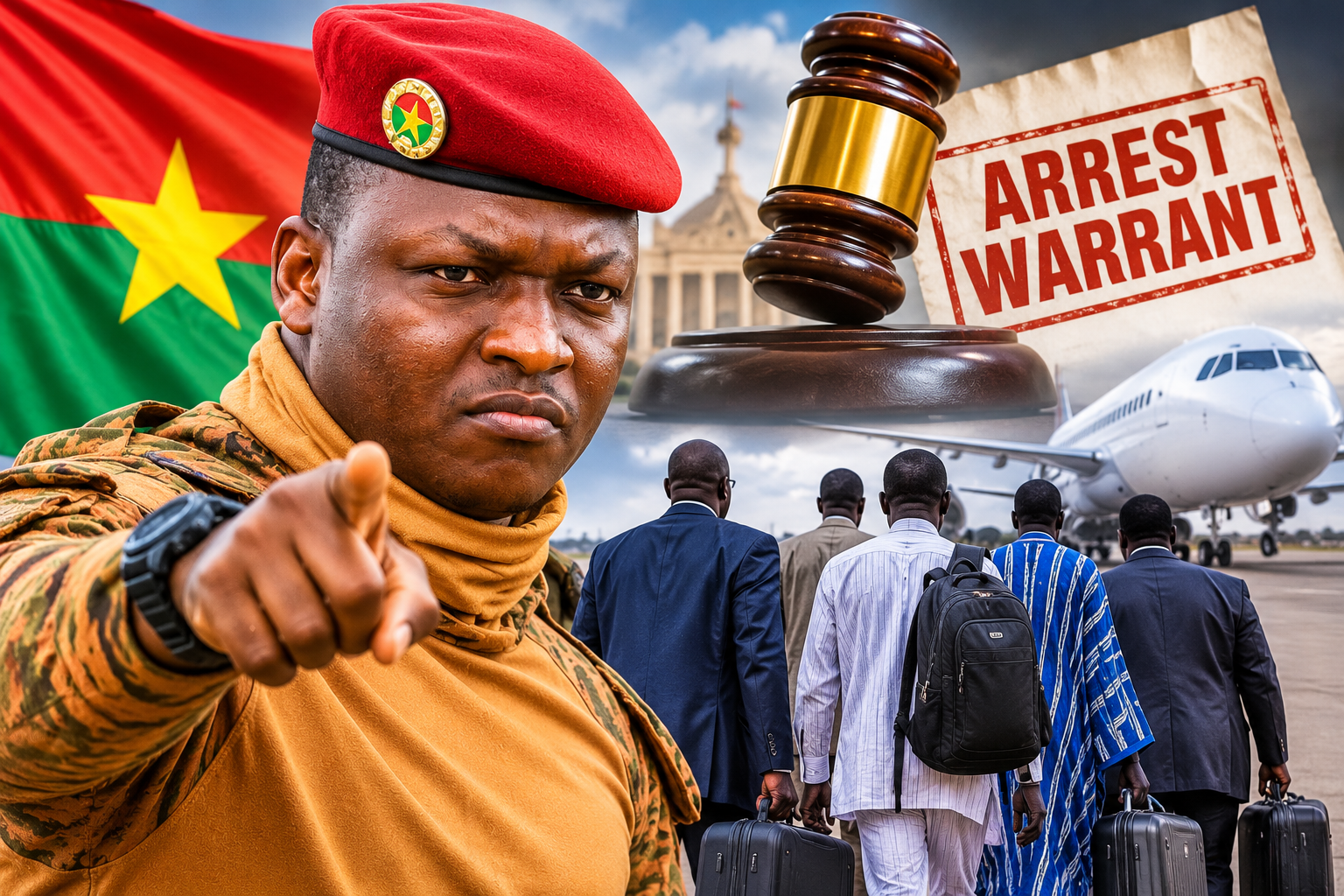
The judiciary’s expanding reach into Burkina Faso’s diaspora raises pressing questions about the true motivations behind recent legal actions. Former officials, military leaders, and journalists who sought refuge abroad now face arrest warrants, extradition requests, and ongoing prosecutions raising doubts about whether these measures serve justice or extend a political purge beyond national borders.
Why pursue critics who no longer reside in Burkina Faso?
The transition government’s intensified legal pursuit of exiled figures contradicts the very purpose of their departure. If exile was sought to escape persecution, why do these individuals remain entangled in legal battles initiated by authorities in Ouagadougou? The pattern suggests more than routine judicial accountability it hints at a deliberate strategy to silence dissent, even at a distance.
The distinction between justice and political retribution has never been more critical. While no individual should evade legitimate legal scrutiny, the relentless targeting of critics regardless of their location undermines the perception of impartiality. The question lingers: are these prosecutions rooted in verified evidence and fair procedure, or do they reflect a broader effort to neutralize opposition?
The legal and ethical dilemmas of transnational prosecutions
Pursuing exiles through international legal mechanisms introduces significant ethical and procedural challenges. Extradition requests, for instance, must adhere to strict safeguards, including assurances of fair trial rights, protection against political persecution, and respect for humanitarian considerations. When these guarantees appear absent, the credibility of such actions comes under scrutiny.
Sovereignty and jurisdiction: Can a state justify legal action against individuals residing in countries that have granted them refuge?
Justice vs. vengeance: Do these proceedings prioritize accountability or serve as tools to eliminate perceived threats?
Human rights implications: How do such measures impact freedom of expression and the right to political dissent?
The political message behind the legal offensive
Beyond the courtroom, the broader implications for Burkina Faso’s democratic fabric are concerning. A government that equates opposition with existential threats risks normalizing a culture of repression. When legal mechanisms are wielded to silence critics rather than engage with their ideas, the foundations of pluralism and open dialogue erode.
Critics argue that such tactics distract from pressing national challenges escalating insecurity, economic instability, and humanitarian crises. By fixating on past adversaries, the authorities risk diverting attention from urgent reforms and governance priorities that could address citizens’ immediate needs.
Can justice transcend political score-settling?
The ultimate test for Ibrahim Traoré’s administration lies in its commitment to impartial justice. A state that selectively enforces the law risks becoming a vehicle for political vendettas rather than a pillar of institutional integrity. The true measure of leadership is not the number of former opponents pursued but the ability to foster a judicial system that upholds fairness, transparency, and independence regardless of the defendant’s political affiliations.
For Burkina Faso, the path forward demands clarity: Are these legal actions a genuine pursuit of accountability, or do they reflect a deeper struggle to consolidate power by any means necessary? The answer will shape the country’s democratic trajectory for years to come.
By Yvette Tchuente — Journalist