
Sudan-South Sudan tensions escalate after deadly drone strike on Amiet market
A suspected drone strike on the bustling Amiet market in the disputed region of Abyei has left at least 73 civilians dead and 19 injured, according to local authorities. The attack, which occurred during peak hours, has triggered a diplomatic firestorm as South Sudan summons the Sudanese ambassador in Juba to demand accountability.
The market in ruins: a humanitarian and economic tragedy
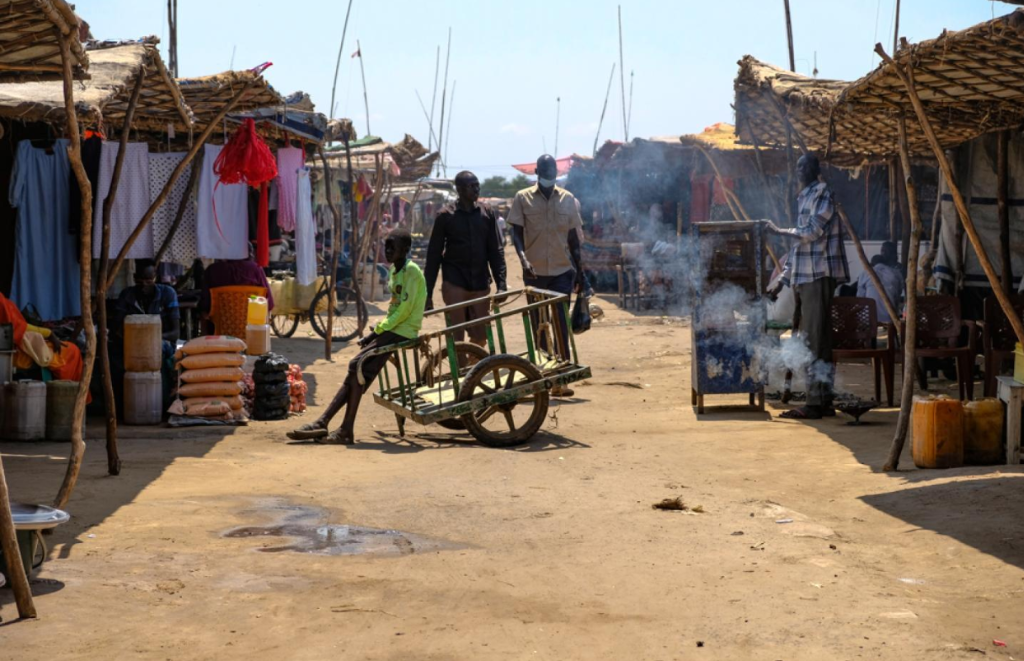
The strike, reported around 11:30 a.m. local time, struck multiple sections of the Amiet market, including commercial zones and fuel storage areas. The presence of fuel tanks exacerbated the situation, complicating rescue efforts amid dense smoke and fires. This market is a vital commercial hub for the region, facilitating trade in fuel, food, construction materials, and medicine, serving communities from both Sudan and South Sudan.
Who is responsible? The blame game intensifies
The interim information minister of the Abyei administration has accused the Sudanese Armed Forces of carrying out the attack. However, no independent verification of these claims has been made as of October 20. The Sudanese government has yet to issue an official response to the allegations, leaving the international community with more questions than answers.
South Sudan’s diplomatic response: a stern warning to Khartoum
In a swift diplomatic move, South Sudan’s foreign ministry summoned the Sudanese ambassador to Juba to lodge a formal protest. Authorities in Juba have called on Khartoum to refrain from actions endangering civilian lives and regional stability. They emphasized the need to resolve Abyei-related disputes through existing diplomatic mechanisms, avoiding military escalation.
The timing of this attack is particularly sensitive. Sudan and South Sudan share deep economic, social, and historical ties, yet their relationship remains strained by unresolved territorial disputes and the ongoing conflict in Sudan, which has raged since April 2023.
Abyei’s unresolved status: a powder keg of regional instability
Abyei remains one of the most contentious unresolved issues between the two nations. Its strategic and economic importance—stemming from oil resources and trade routes—makes it a flashpoint for conflict. Since South Sudan’s independence in 2011, the final status of Abyei has never been settled, despite provisional agreements that failed to bring lasting peace.
The ongoing war in Sudan has further destabilized the region, disrupting trade networks and displacing thousands. Local reports suggest the Amiet market also plays a critical role in fuel supply chains, potentially explaining the military interest in targeting commercial areas. Yet, without conclusive evidence, the true intent behind the strike remains unclear.
Protecting civilians in the crossfire: a legal and moral imperative
This tragic incident underscores the urgent need to protect civilians in conflict zones. Markets, healthcare facilities, and other civilian infrastructure are increasingly vulnerable as hostilities spill into populated areas. International humanitarian law requires parties to distinguish between combatants and civilians, and to take all necessary precautions to minimize civilian harm.
The legal assessment of this attack hinges on verifiable facts, which are still under investigation. In the meantime, priorities include providing medical aid to the wounded, identifying victims, and establishing an accurate death toll.
What’s next for Sudan-South Sudan relations?
The summoning of the Sudanese ambassador marks the beginning of a tense diplomatic process. While Juba has condemned the attack, no retaliatory measures have been announced yet. The outcome of this crisis will depend on whether both governments prioritize dialogue and restraint over further escalation.
As families await news of their loved ones and rescue teams continue their work, one question looms large: Will this tragedy lead to a credible investigation and concrete measures to safeguard civilians, or will it deepen an already volatile regional conflict?