
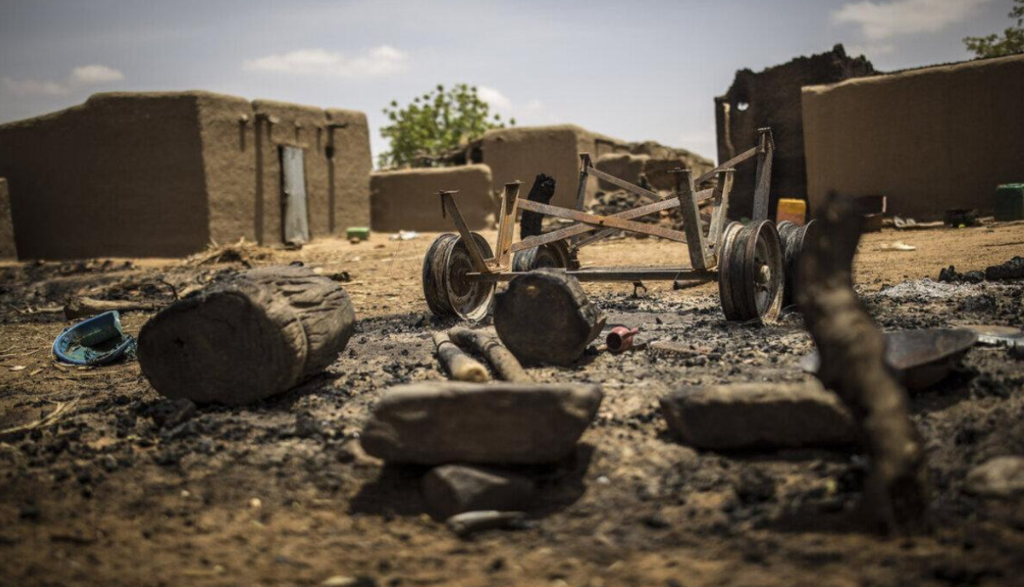
Why the protection of Mali’s civilians hangs in the balance
As the armed conflict in Mali grinds into its eighth year, the humanitarian toll continues to mount, with civilians bearing the brunt of escalating violence. Reports now confirm that both state security forces and armed insurgent groups are routinely violating international humanitarian law, raising urgent questions about whether the war can still be waged without devastating civilian lives. With no clear path to peace and accountability mechanisms collapsing, the international community faces a pivotal moment: act decisively now, or risk a permanent humanitarian catastrophe.
What the latest evidence reveals about civilian abuse
A groundbreaking investigation conducted between July and September 2026 has exposed a disturbing pattern of attacks targeting innocent civilians across central and northern Mali. Human rights monitors documented multiple drone strikes, ground assaults, and extrajudicial killings that have left dozens dead and hundreds displaced. The findings, based on interviews with survivors, medical workers, community leaders, and soldiers, paint a grim picture of a war where the rules of engagement are systematically ignored.
Drone strikes that miss their mark
In one of the most shocking incidents, a drone strike on August 19 hit a livestock market in Tombonkore, Bandiagara region. Six civilians were killed and more than 20 others injured. Witnesses insist that no armed fighters from the Group for the Support of Islam and Muslims (JNIM), an Al-Qaeda affiliate, were present at the time. The attack destroyed stalls, motorcycles, and livestock, crippling local livelihoods. Such incidents raise serious concerns about the accuracy and proportionality of aerial operations in populated areas.
Attacks on vital infrastructure deepen suffering
Another alarming case involved a military drone strike on a health center in Talahandak, Kidal region, on July 29. This facility served as a lifeline for civilians in a conflict-ridden zone, providing essential medical care and supplies. The attack, which partially destroyed the building, not only endangered patients but also disrupted access to healthcare for an already vulnerable population. Under international humanitarian law, medical facilities are granted special protection unless used for military purposes—a threshold this attack appears to have crossed.
When soldiers mistake children for combatants
On July 12, in the Ségou region near Niono, five girls aged 10 to 13 were killed by Malian soldiers while working in a rice field. Authorities later claimed the children were mistaken for attackers during a prior ambush. While apologies were offered to the families, the incident underscores systemic failures in distinguishing between combatants and civilians during military operations. Such misidentifications are not isolated cases but part of a broader pattern of negligence that endangers non-combatants.
The report also documents the deaths of three civilians in the Mopti region on July 27–28, allegedly at the hands of government-aligned Dozo militias. The circumstances remain murky, and independent investigations are urgently needed to establish responsibility and prevent future abuses.
The insurgents’ brutal tactics and the cycle of violence
Armed groups are not exempt from accountability. On July 18 near Tabrichat in the Gao region, fighters from the JNIM and the National Movement for the Liberation of Azawad (MNLA) ambushed a Malian military convoy. Nineteen soldiers were captured, tortured, and executed—a clear violation of the laws of war. The deliberate killing of prisoners and the use of extreme violence against civilians reflect a deliberate strategy to spread fear and undermine state authority. Yet even amidst such brutality, international law remains unyielding: all parties, regardless of their cause, must adhere to basic humanitarian principles.
Can the African Union break the cycle of impunity?
The crisis in Mali is no longer just a local tragedy—it has become a regional and global concern. Human rights organizations are calling on the African Union’s Peace and Security Council to convene an emergency session focused solely on the protection of civilians. The demands are clear: enforce accountability, conduct transparent investigations, and ensure that victims receive justice. Without these measures, the cycle of violence will continue unabated, leaving countless families trapped in a war they never chose.
As the death toll rises and impunity festers, the question remains: will the African Union rise to the occasion, or will Mali’s civilians continue to pay the ultimate price for a war they did not start?