
From classrooms to streets: what’s really driving France’s youth protests
As France gears up for a pivotal presidential election in 2027, a wave of youth-led protests is exposing deep fissures in the country’s education system. These demonstrations, which began in high schools and university campuses, have escalated into a broader social movement touching every corner of French society. But what started as a cry for better learning conditions is now intersecting with wider concerns over affordability, public services, and economic uncertainty. The critical question on everyone’s mind: can the government respond to these demands before the 2027 vote reshapes the political landscape?
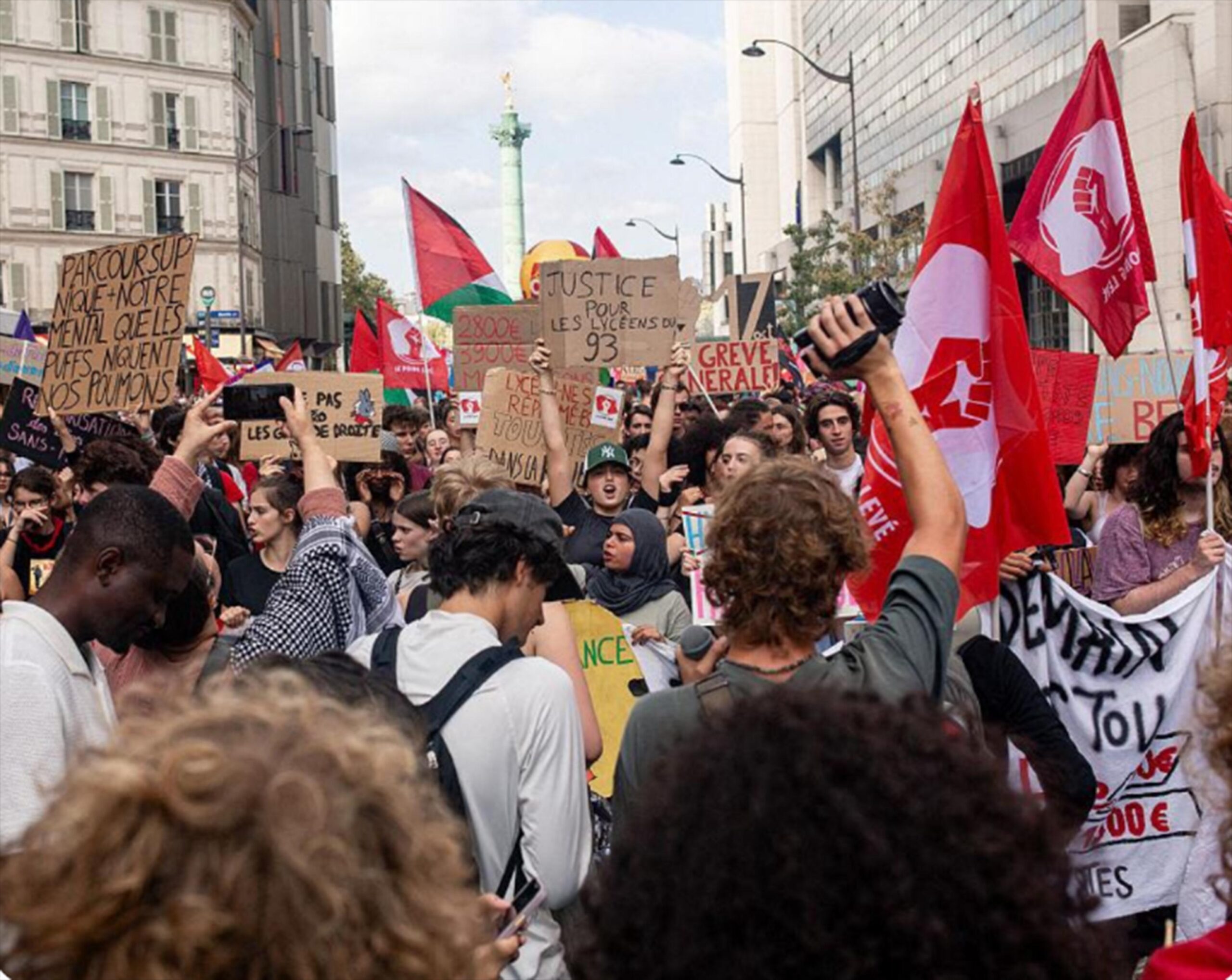
The protests gained momentum this October, drawing hundreds of thousands of participants across major cities. While organizers reported over 480,000 marchers, authorities recorded just over 160,000—a discrepancy that underscores the tension between official narratives and public sentiment. Yet beyond the numbers, the movement reveals a generation questioning whether its education system can still deliver on its promise of equal opportunity.
The tipping point: when classrooms fail the students
Frustration first surfaced in September, when high school students voiced concerns about overcrowded classrooms, crumbling infrastructure, and the grueling demands of Parcoursup, France’s university admissions platform. What began as isolated complaints quickly snowballed into nationwide walkouts and blockades, as teachers, student unions, and even retirees joined the chorus of dissent. By mid-October, the fifth wave of protests had become impossible to ignore.
The demands are clear: better teacher coverage, renovated school buildings, and a fairer admissions system. But the deeper frustration lies in a sense of abandonment—a belief that the education system is failing to equip young people for the challenges ahead. Whether it’s the lack of personalized support or the stark disparities between wealthy and marginalized neighborhoods, the protests highlight a system under strain.
Inequality on display: when schools reflect societal fractures
The education crisis isn’t just about underfunded classrooms. It’s a mirror of France’s social divides. In some areas, students endure moldy walls and chronic teacher absences, while their peers in more affluent districts face long commutes and packed schedules. According to a government survey, school schedules and building conditions topped the list of grievances, far outpacing even concerns about teacher shortages.
The government has pledged additional funding and teacher replacements, but critics argue the measures fall short. The debate now centers on not just how much money is allocated, but how it’s spent—and whether it will translate into tangible improvements for students. With no clear consensus in sight, the protests show no signs of slowing.
Beyond education: when student voices merge with broader unrest
The October 17 demonstrations marked a turning point. What started as a school-focused movement has collided with wider grievances over living costs, public services, and economic precarity. Calls for unity between students, workers, and activists have amplified the message, though the coalition remains fragile. While some march peacefully, others have clashed with police in cities like Paris and Marseille, raising concerns about the right to protest and the state’s response.
These tensions, while real, risk overshadowing the movement’s legitimate demands. The protests are a symptom of a deeper unease: a generation that feels unheard, economically vulnerable, and doubtful that the system can deliver fairness. Whether policymakers will listen—or whether the 2027 election will force their hand—remains an open question.
2027’S looming shadow: what’s at stake for France’s future
With the presidential election just around the corner, the education crisis has become a litmus test for France’s political class. Candidates will soon need to articulate how they plan to address school funding, teacher shortages, and social mobility—or risk alienating the very voters who could determine the next government.
For outgoing President Emmanuel Macron, whose second term ends in 2027, the protests are a critical part of his legacy. His administration’s response—or lack thereof—will shape how history judges his tenure. For the youth of France, the stakes couldn’t be higher: their future hinges on whether the next administration treats education as a priority rather than an afterthought.
Can this movement translate protests into progress?
The path forward is unclear. Protests can expose problems, but they rarely solve them on their own. The challenge now is to channel the energy of the streets into meaningful dialogue—one that includes students, teachers, and families in the decisions shaping their schools. Without concrete action, the risk is that the 2027 vote will arrive too late for a generation that’s already running out of patience.
One thing is certain: France’s education system is at a crossroads. The question is whether its leaders will choose to listen—or whether the streets will do the talking for them.