
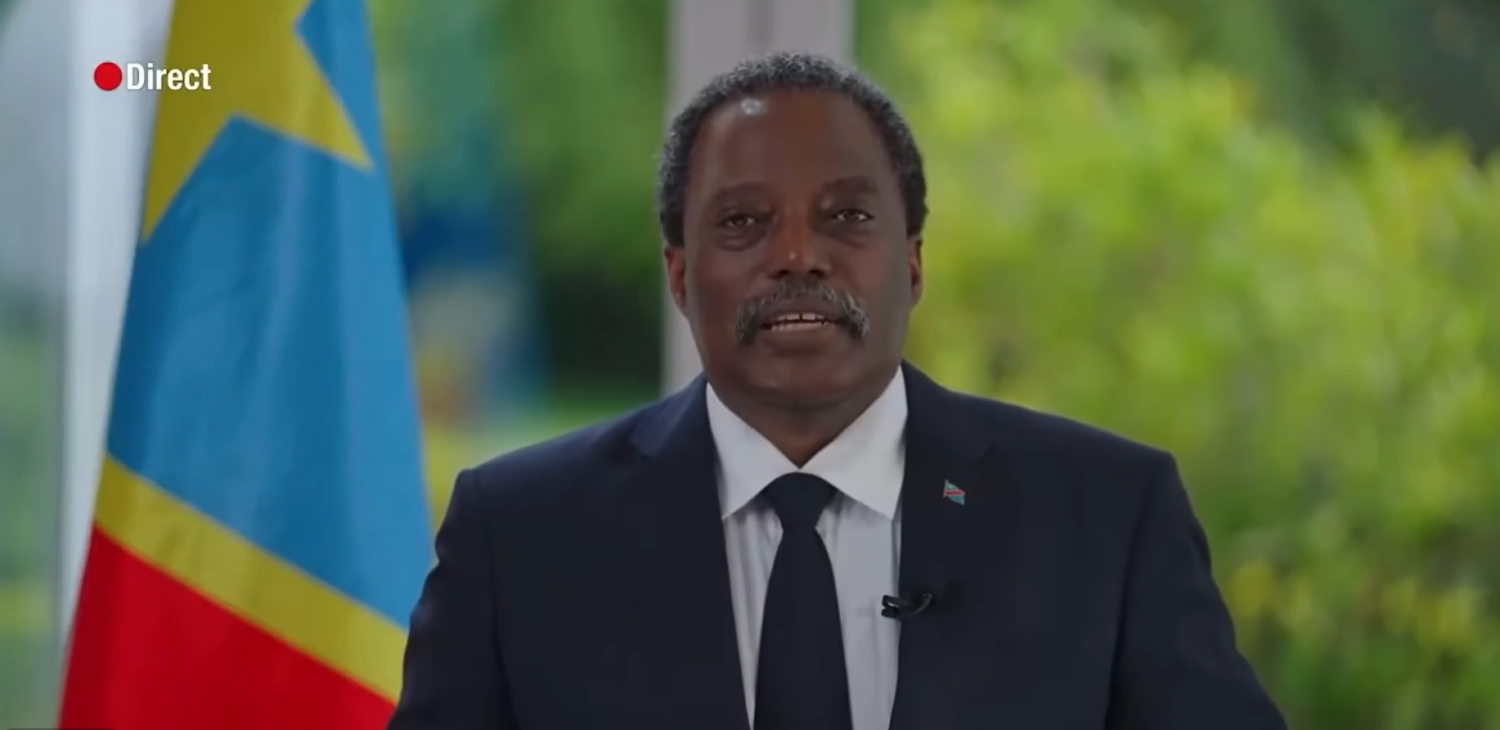
When Joseph Kabila, former president of the Democratic Republic of Congo (DRC), officially took command of the Front for the Refoundation of the Nation (FRN) in October 2026, he didn’t just return to politics — he launched a high-stakes military gamble. This newly formed coalition, uniting the M23 rebel group and the former Congo River Alliance, now serves as a political facade for a rebellion openly backed by Rwanda. The move is designed to evade international scrutiny of Kigali’s proxy forces, but at what cost to a nation already scarred by decades of resource-driven conflict?
The Kabila legacy: from rebellion to ruling power and back again
Joseph Kabila’s political journey began in chaos. In 1996, his father, Laurent-Désiré Kabila, emerged from exile to lead the AFDL rebellion — a campaign backed by Rwanda’s Paul Kagame to topple the regime of Mobutu Sese Seko. After seizing power in Kinshasa in 1997, Laurent-Désiré quickly turned against his Rwandan patron, sparking the Second Congo War and ultimately being assassinated in 2001. At just 29 years old, Joseph inherited the presidency in a nation torn between warlords, militias, and regional powers like Rwanda.
For nearly two decades, Kabila maintained a delicate balance — suppressing rebel movements in the east while quietly tolerating their existence when convenient. Now, by openly aligning with the very forces he once fought, he risks turning a localized insurgency into a full-scale national insurrection aimed at unseating current President Félix Tshisekedi.
From militia to movement: how Kabila legitimizes the M23 rebellion
The M23 has long been dismissed as little more than a Rwandan-backed Tutsi militia fighting for ethnic interests. But with Joseph Kabila at its helm, the group gains unprecedented political credibility. No longer just a proxy armed group, it now represents a broader national opposition movement — one with a former head of state at its command. This shift transforms a regional skirmish into a constitutional crisis with potential to destabilize the entire country.
Geopolitical analysts warn that Kabila’s alliance is not just political theater. It reflects deep-seated instability in eastern DRC, where armed factions — from self-defense militias to criminal gangs and foreign jihadists — have carved out fiefdoms over mineral-rich territories. According to regional observers, this new coalition risks consolidating these networks into a unified rebel front, capable of challenging the central government in Kinshasa.
DRC’s mineral wealth: a magnet for regional predators
The eastern provinces of North and South Kivu and Ituri are home to some of the world’s most strategically vital mineral deposits: gold, cobalt, coltan, zinc, and manganese. These resources power global industries from smartphones to electric vehicles — and their control has long fueled conflict. Despite Rwanda’s lack of domestic mineral reserves, it has become a key exporter of Congolese coltan, sourced through illicit networks linked to armed groups.
Observers describe the DRC as a nation both vast and hollow: a territory of over 2.3 million square kilometers — nearly 90 times the size of Rwanda — yet struggling to govern itself. From Kinshasa, the state’s reach barely extends 2,000 kilometers to the mineral-rich east. The result? A paradox: while insecurity ravages civilian lives, mining zones are paradoxically “ultra-secured” — not by the state, but by armed groups acting as private security for extractive elites. International condemnation rings hollow when multinational corporations continue purchasing minerals through intermediaries tied to conflict.
Who really pays the price of Congo’s endless conflict?
With nearly 150 armed groups active across the east — ranging from self-defense militias to criminal syndicates and Ugandan-origin ADF-Nalu jihadists — the humanitarian toll is catastrophic. For decades, eastern Congo has held the grim distinction of being one of the most dangerous places in the world for civilians. Women and children bear the brunt: mass rapes, forced displacements, and extrajudicial killings have become the norm.
By lending his name and political weight to the FRN, Joseph Kabila isn’t just joining a rebellion — he’s accelerating its expansion. The risk? A full-scale military escalation that could plunge millions more into violence, displacement, and suffering. In a country already drowning in crisis, this alliance may be the spark that ignites a fire no one can control.