
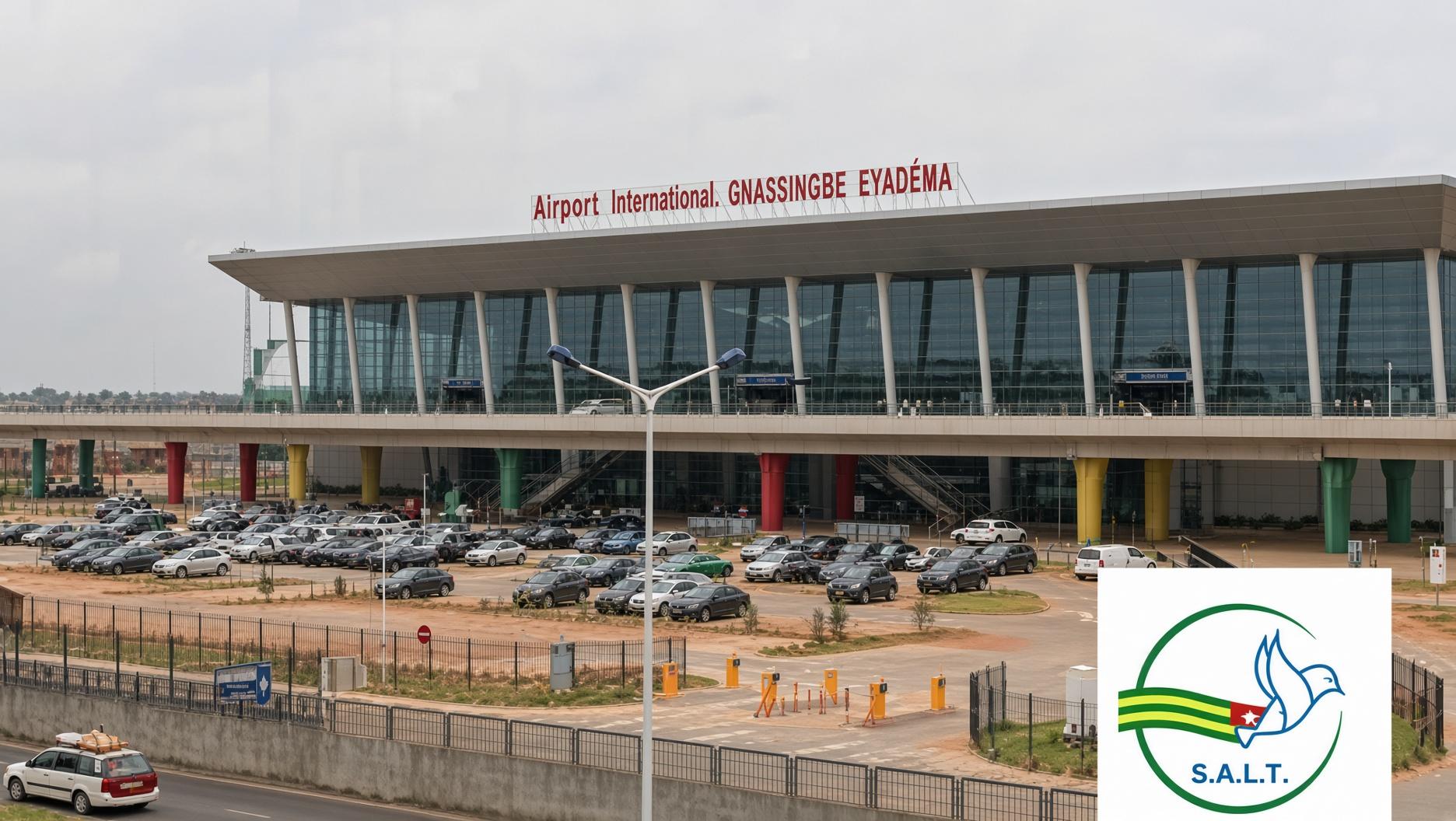
Lomé’s airport in crisis: A decisive question for Togo’s future
As Togo’s gateway to Africa faces mounting operational failures, a critical question emerges: Can the country afford to prioritize national sovereignty over the urgent need for a world-class airport experience? The recent sanitation scandal at Lomé’s Gnassingbé-Eyadéma International Airport has exposed systemic flaws that no public-led initiative could resolve, forcing authorities to consider a high-stakes gamble—partnering with global retail giant Lagardère Travel Retail.
The sanitation disaster that changed everything
The turning point came on an October morning in 2026 when raw sewage overflowed onto the departures hall of Lomé’s international airport. What began as an isolated incident quickly spiraled into a national embarrassment, with video evidence circulating globally and triggering widespread condemnation. Officials attempted to dismiss the event as a “minor technical glitch,” but the damage was done.
The crisis laid bare long-standing neglect in airport maintenance, from malfunctioning drainage systems to unsanitary facilities. Travelers and airlines alike voiced their frustration, highlighting the stark contrast between the airport’s ambitious modernization rhetoric and its crumbling reality. For a nation banking on its airport as a regional commercial hub, the moment demanded bold action—even if it meant relinquishing some control.
Why Lagardère became the only viable option
In the wake of the scandal, Togo’s government found itself at a crossroads. The Société aéroportuaire de Lomé-Tokoin (SALT), tasked with operating the airport, had failed to meet international standards, pushing the country toward a private-sector solution. Enter Lagardère Travel Retail, a French conglomerate with decades of experience in airport retail, hospitality, and infrastructure management.
The group’s expertise promised immediate solutions: restored sanitation, upgraded commercial spaces, and streamlined passenger flow. For an airport struggling to shed its reputation as dysfunctional, Lagardère’s track record in transforming underperforming terminals into profitable, customer-friendly hubs made it the obvious choice. Yet, the decision wasn’t without controversy.
The sovereignty debate: Trading control for efficiency
While the benefits of Lagardère’s involvement are clear, the agreement raises profound economic and political questions. Critics argue that handing over the airport’s commercial operations to a French-led multinational reintroduces foreign dominance over a critical national asset. The concessions for duty-free and retail spaces, they claim, could overshadow local businesses, favoring global brands over Togolese entrepreneurs.
Proponents counter that the deal is a necessary compromise—one that prioritizes the airport’s role as a driver of tourism and trade over symbolic notions of independence. After all, the sanitation crisis had already cost the country in lost revenue, tarnished international reputation, and strained relationships with airlines. The question now is whether Lagardère’s modernization efforts can deliver tangible benefits without sidelining Togo’s economic interests.
A partnership with high stakes
For Lagardère, the challenges are twofold: remedy the airport’s immediate issues while demonstrating that the partnership can be mutually beneficial. The company must prove it can deliver on its promises—improved hygiene, enhanced passenger experience, and a boost to the airport’s commercial viability—without exacerbating local grievances.
For Togo, the stakes are even higher. The airport isn’t just a transit point; it’s a gateway to Africa, a symbol of the country’s ambitions to position itself as a logistics and trade leader in West Africa. Success could mean increased passenger traffic, foreign investment, and a revitalized tourism sector. Failure, however, risks reinforcing perceptions of Togo as a nation unable to manage its own infrastructure.
What the future holds for Lomé’s airport
The road ahead is fraught with challenges, but the potential rewards are undeniable. If Lagardère’s intervention succeeds, Lomé’s airport could emerge as a model of efficiency and modernity in the region. Yet, the journey will require more than just technical fixes—it demands a delicate balance between foreign expertise and local empowerment.
The coming months will reveal whether this partnership can transform Togo’s struggling airport into the thriving commercial hub it was meant to be—or if the country will remain trapped in the cycle of crises that has defined its recent history.
Key takeaways
- Lomé’s airport crisis stems from chronic neglect, culminating in the 2026 sanitation scandal that exposed its operational failures.
- The government’s decision to partner with Lagardère Travel Retail reflects a pragmatic shift toward privatization, prioritizing efficiency over sovereignty.
- The deal raises concerns about foreign influence and the marginalization of local businesses, but proponents argue it’s a necessary trade-off for long-term growth.
- Success hinges on Lagardère’s ability to restore the airport’s reputation while ensuring equitable economic benefits for Togo.