
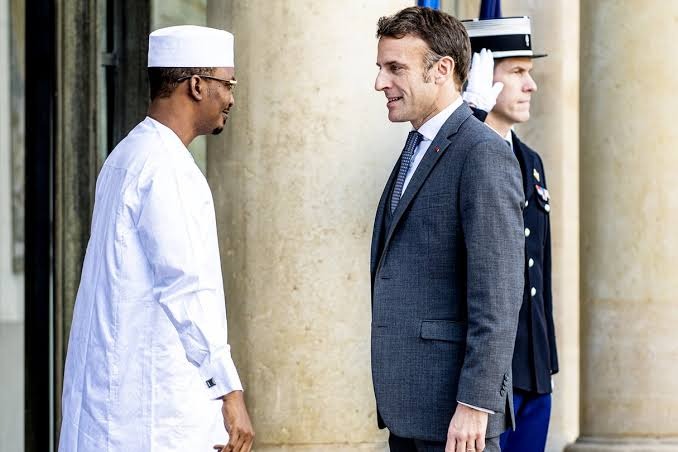
Why Paris and N’Djamena are rewriting defense rules in the Sahel
On October 13, 2026, France and Chad took a decisive step toward rebuilding their defense partnership, signing an intention declaration that could reshape security dynamics in the Sahel. The agreement comes after France withdrew its troops from Chad in early 2025—a move that followed Niamey’s termination of military cooperation in late 2024 and marked the end of a decades-long French military presence in the region. For Paris, this pivot offers a chance to restore influence without repeating past models.
The timing is critical. With tensions escalating in Niger following the August 2026 unrest near Air Base 101—where Niamey accused foreign actors, including Chad—President Emmanuel Macron’s meeting with Chadian leader Mahamat Idriss Déby sent a clear message: France is seeking a new role in the Sahel, one built on mutual interests rather than permanent bases.
From withdrawal to collaboration: how Chad became France’s strategic bridge
Chad’s withdrawal of France’s military footprint in 2025 left Paris searching for fresh alliances. The October declaration restarts cooperation on training, technology transfers, and defense industry collaboration—turning Chad into a key partner for regional stability. Unlike previous arrangements, this partnership emphasizes sovereignty and self-reliance, with France providing support tailored to Chad’s priorities rather than imposing its own agenda.
Geographically, Chad is at the heart of Sahel security challenges. Bordering Sudan’s war zone, Libya, and the Lake Chad Basin, it faces threats from armed groups and cross-border instability. Strengthening its armed forces isn’t just a bilateral goal; it’s a regional necessity. The new cooperation framework aligns with N’Djamena’s vision of balancing partnerships with strategic autonomy.
The Niger factor: how Chad’s ties with Paris could shift the regional balance
The declaration arrives amid heightened tensions between France and Niger’s military junta, which has accused Paris of destabilization attempts during the August 2026 crisis. Chad, though not directly involved in the allegations, shares the Sahel’s security concerns while maintaining independent diplomatic pathways. Its renewed alliance with France introduces a complex dynamic—one where N’Djamena emerges as a potential mediator between Paris and Niamey, provided the Chadian government navigates its own relationships carefully.
For Chad, this cooperation is a tool to reinforce its army’s capabilities without surrendering control over its defense policies. For France, it’s an opportunity to regain influence in a region where its withdrawal from Mali, Burkina Faso, and Niger has been seen as a strategic retreat.
Beyond defense: the push for economic autonomy in Chad
While the defense accord dominates headlines, the October 13 meeting also laid the groundwork for broader cooperation. Macron and Déby prioritized sectors like infrastructure, energy, healthcare, and education—areas where investment could address Chad’s critical development needs. The goal: shift from a military-centric relationship to one that supports economic and social progress, reducing reliance on external security models.
Chad’s challenges are immense. Decades of conflicts in neighboring countries have displaced thousands, straining public services and economic stability. By fostering joint projects in transportation and vocational training, both governments aim to create jobs and improve livelihoods—key steps toward long-term stability.
A new blueprint for French diplomacy in Africa
The France-Chad partnership signals a broader shift in Paris’s African strategy. After years of military engagements, France is recalibrating its approach, favoring cooperation models that prioritize partnership over domination. The October declaration reflects this: training, technology sharing, and targeted support replace large-scale troop deployments. For Macron, it’s a gamble on soft power; for Déby, a chance to modernize Chad’s defenses without compromising sovereignty.
Whether this model can stabilize the Sahel remains uncertain. Regional distrust runs deep, and divergent alliances complicate cooperation. Yet, the pact offers a rare chance to rebuild trust through shared objectives—security, development, and mutual respect.