
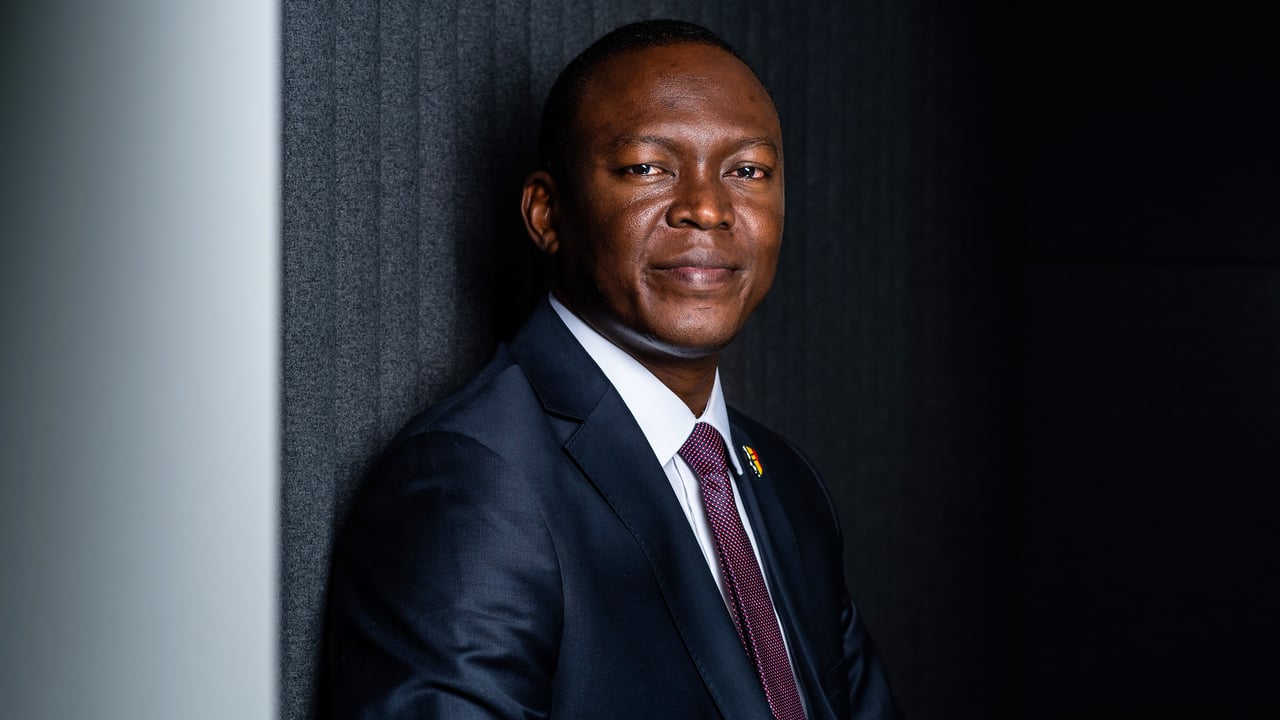

In a significant political development for Chad, opposition leader Succès Masra has been granted a presidential pardon by Transitional President Mahamat Idriss Déby Itno. This pivotal decision is widely interpreted as a strategic move to initiate a fresh chapter of national dialogue and reconciliation, potentially reshaping the country’s complex political landscape.
A significant stride towards political de-escalation
The clemency extended to Succès Masra marks a critical juncture in Chad’s recent history. For several months, the nation’s political atmosphere has been fraught with tension, particularly following Masra’s return to the country and the subsequent legal challenges he faced. This act of grace from President Mahamat Idriss Déby Itno is designed to alleviate these pressures and cultivate an environment more conducive to broad political inclusion.
Analysts suggest that this gesture could open pathways for a more comprehensive political process, enabling key opposition figures to actively participate in the nation’s future governance. The pardon sends a clear message from the transitional authorities, signalling their dedication to transcending past divisions and working towards a unified national vision. It provides Succès Masra, a prominent and influential voice in Chadian politics, with the opportunity to re-engage fully without the constraints of legal impediments.
Implications for Chad’s democratic trajectory
The decision to pardon Succès Masra carries profound implications for Chad‘s ongoing democratic transition. It has the potential to unlock new avenues for deeper political engagement and reconciliation, elements that are indispensable for fostering stability and progress within the nation. The immediate focus now shifts to how this newfound political freedom for Masra will translate into tangible actions and the specific role he will assume in guiding Chad’s future direction.
There is widespread anticipation that this move will indeed usher in a