
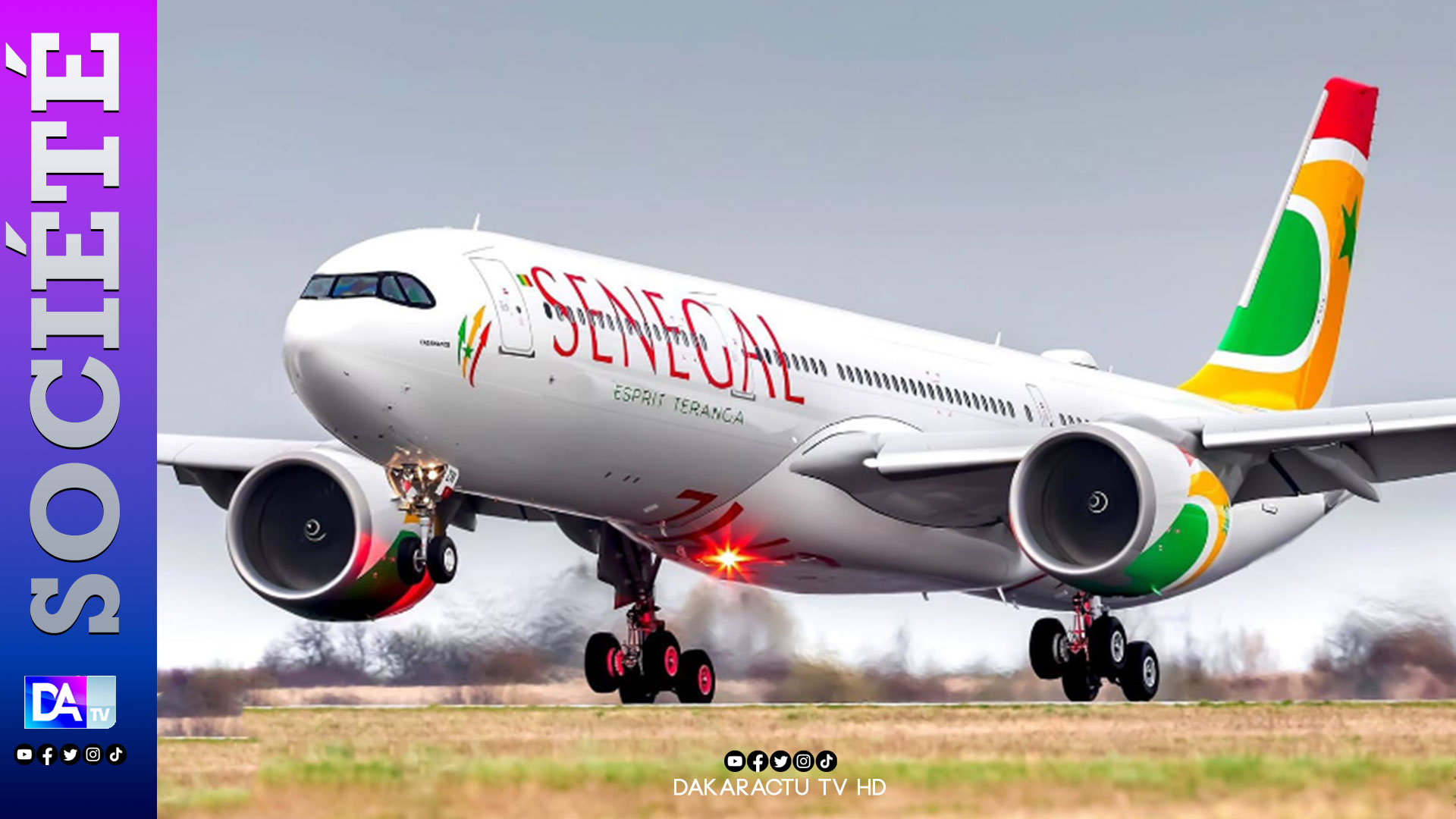
In a landmark resolution, Air Sénégal and the American aircraft leasing giant Carlyle have successfully concluded a prolonged international dispute over a terminated lease agreement. The conflict centered on four commercial aircraft—two Airbus A319 and two Airbus A321—that had been operated by the national carrier before being withdrawn from service by its current management.
The breakthrough came after months of negotiations and legal maneuvering, culminating in a conciliation agreement formally ratified in Dakar. This accord not only halts the litigation between the two parties but also sets the stage for the withdrawal of a parallel legal action initiated by Carlyle in New York courts, clearing the path for a definitive end to the controversy.
From legal battle to mutual settlement
Tensions escalated after Air Sénégal, under the leadership of its Director-General Tidiane Ndiaye, decided to terminate the lease contracts for the four aircraft in 2026. The decision followed an internal assessment that deemed the ongoing lease and maintenance costs unsustainable, compounded by recurring technical failures that threatened to further strain the airline’s financial health.
Despite the termination, Carlyle pursued legal action, prompting Air Sénégal to file a counterclaim before the Dakar Commercial Court outside the ordinary jurisdiction. However, both sides eventually opted for a negotiated resolution, recognizing the mutual benefits of avoiding prolonged litigation. The agreement, signed on May 4, 2026, and later homologated on June 25, 2026, formalized the terms of the settlement and marked the official closure of the case.
Financial settlement and aircraft return
As part of the conciliation agreement, Air Sénégal fulfilled its outstanding financial obligations to Carlyle, covering nearly all unpaid lease payments and maintenance reserves up to the date of the aircraft’s return. These liabilities were acknowledged by the Senegalese airline, which had already recognized the debt prior to the resolution.
The decision to disengage from the leased fleet reflected broader strategic priorities for the airline. By prioritizing cost efficiency and operational reliability, Air Sénégal aimed to stabilize its financial position and improve long-term sustainability in a competitive regional aviation market.
Implications for both parties
For Carlyle, the resolution in Dakar represents a successful recovery of assets and the potential winding down of legal proceedings abroad. Meanwhile, Air Sénégal secures regulatory clarity and avoids the reputational and financial risks associated with prolonged litigation.
With the judicial procedures now concluded, both entities can redirect their resources toward future growth and operational excellence, underscoring the value of dialogue and compromise in resolving complex business disputes.