
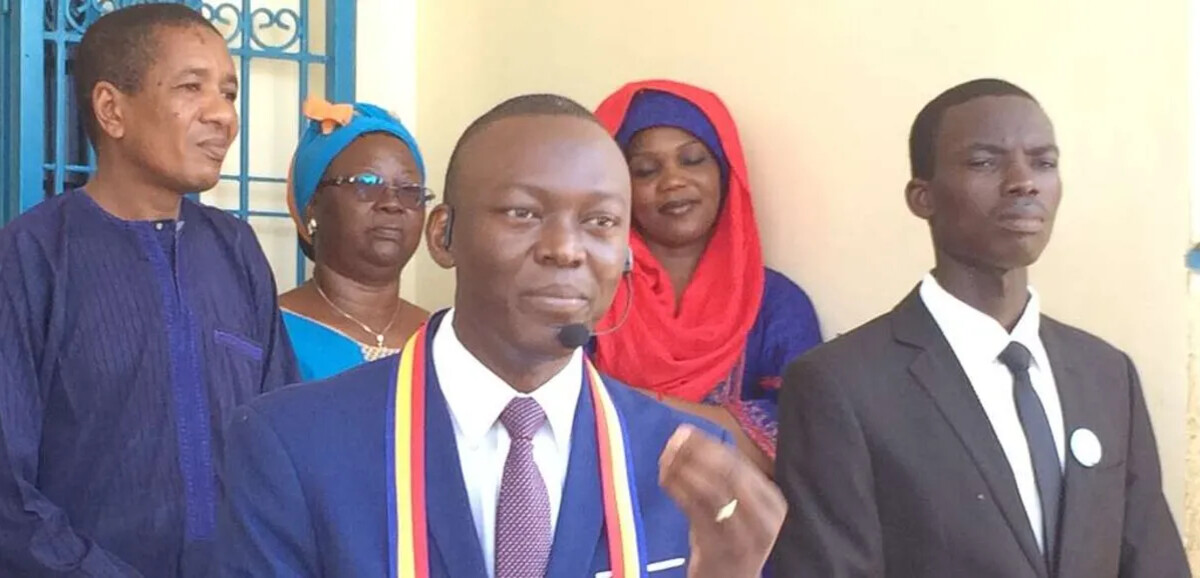
Chad opposition leader Succès Masra remains imprisoned after appeal rejected
The Supreme Court of Chad has upheld the conviction of former Prime Minister and opposition figure Succès Masra, amid escalating political tensions in N’Djamena.
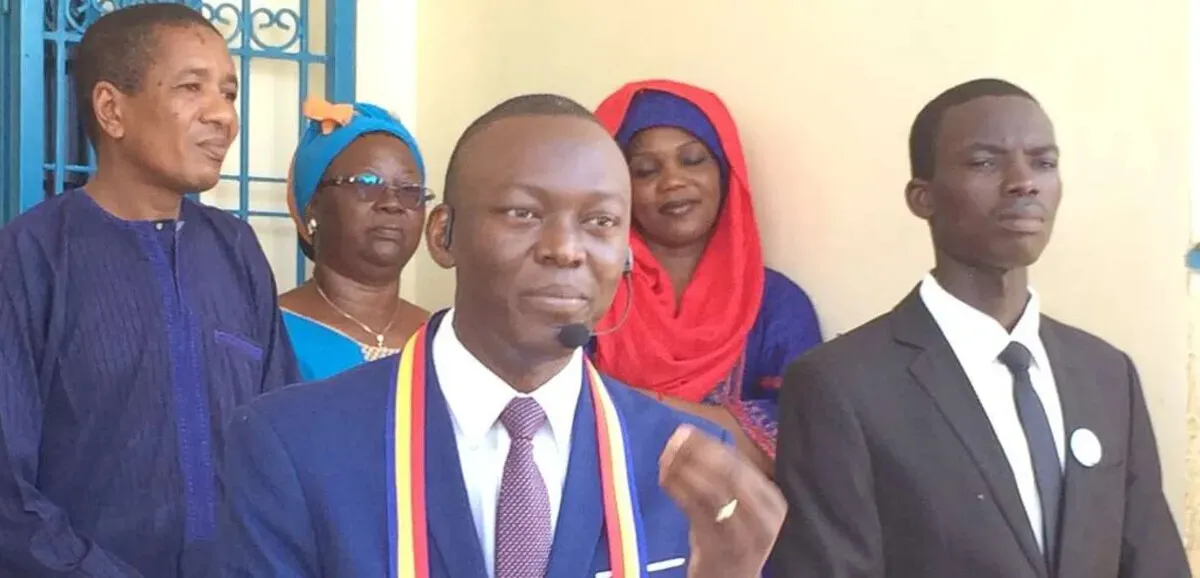
Supreme Court upholds Succès Masra’s conviction
Chad’s leading opposition figure, Succès Masra, will remain behind bars after the Supreme Court rejected his appeal on Thursday, May 21. The decision was announced by one of his lawyers following the hearing. “Despite presenting all legal arguments, the Supreme Court decided to dismiss the appeal,” stated lawyer Me Francis Kadjilembaye. Masra, arrested in May 2025, was previously sentenced in August to 20 years in prison for charges including “spreading hateful and xenophobic messages” and “complicity in murder.”
NGO condemns politically motivated trial
Human Rights Watch has characterized Succès Masra’s trial as a “politically motivated procedure,” warning that his continued detention reflects the government’s “intolerance toward dissent.” On Thursday, heavy security surrounded the Supreme Court building in N’Djamena, with several journalists reportedly denied access to the hearing.
Political climate remains tense
This ruling comes as Chad’s political environment grows increasingly strained. Earlier this month, eight opposition leaders were sentenced to eight years in prison for insurrection. Authorities also dissolved the country’s main opposition coalition days before these verdicts. Opposition parties frequently report intimidation tactics and bans on public demonstrations. In late April, a member of Succès Masra’s party, Les Transformateurs, was killed by police during a protest demanding the opposition leader’s release.
From opposition to Prime Minister
An economist trained in France and Cameroon, Succès Masra emerged as a key challenger to President Mahamat Idriss Déby Itno before being appointed Prime Minister in 2024. During the presidential election that same year, he ran against the head of state, officially receiving 18.5% of the vote compared to Déby’s 61.3%. Masra contested the results, asserting he had won the election.