

Investigations have emerged this week pointing to the alleged involvement of the Africa Corps, a Russian-backed military unit operating in Mali, in the clandestine deployment of cluster munitions. Local sources and defense analysts report that unexploded ordnance has been discovered in civilian areas, raising serious concerns about the targeting protocols employed by foreign forces in the region.
evidence mounts against africa corps in alleged cluster munition incidents
Witness accounts and preliminary forensic assessments indicate that submunition payloads were dispersed over populated zones in central Mali. The remnants recovered match technical specifications consistent with Russian-made cluster bombs, a weapon system frequently deployed in modern conflict zones but heavily restricted under international law.
Residents in affected villages describe hearing multiple aircraft overhead just minutes before explosions rocked their communities. “We found small, metallic objects embedded in the ground, some still ticking like a clock,” recounted a local farmer whose land lies near the town of Mopti. Authorities have since cordoned off the areas pending a full investigation.
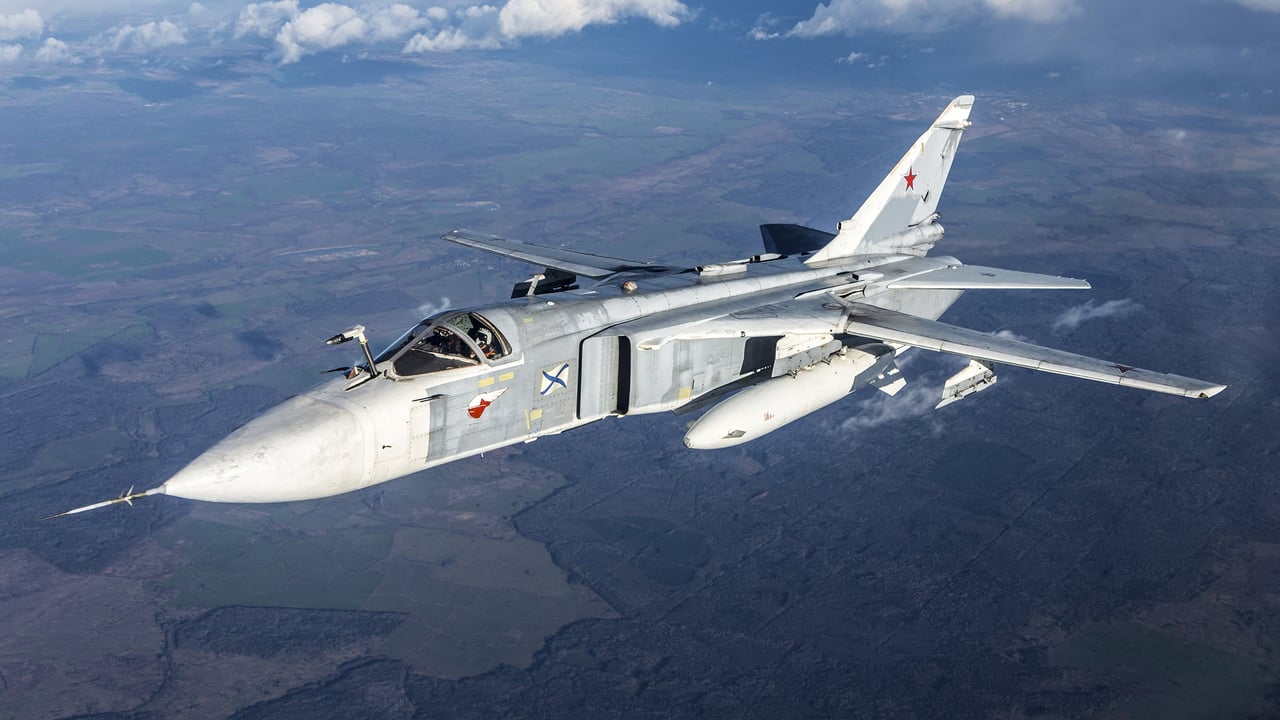
Military aviation specialists confirm that only high-performance jets, such as the Sukhoi Su-24 used by the Africa Corps, possess the operational range and payload capacity required for such aerial operations deep inside Mali’s interior.
international response and legal implications
The alleged deployment has drawn swift condemnation from human rights organizations and regional blocs. The Group for the Support of Islam and Muslims (JNIM), a militant faction active in the Sahel, has issued statements vowing retaliation against what it terms “Russian aggression disguised as security cooperation.”
International humanitarian law experts warn that the use of cluster munitions in civilian areas constitutes a war crime under the Convention on Cluster Munitions, which Mali ratified in 2018. The treaty prohibits the use, production, stockpiling, and transfer of these indiscriminate weapons.
Russia’s Ministry of Defense has yet to respond publicly to the allegations, though diplomatic sources suggest Moscow may cite bilateral defense agreements with Bamako as justification for its military presence.
what’s next for Mali’s security landscape?
With tensions escalating, Mali’s transitional government faces mounting pressure to clarify its stance on foreign military engagements. The alleged use of banned weaponry not only undermines public trust but also risks further destabilizing an already fragile security environment.
As investigations unfold, the international community will be closely monitoring whether Bamako takes decisive action against the Africa Corps or continues to rely on external support in its counterterrorism operations.