
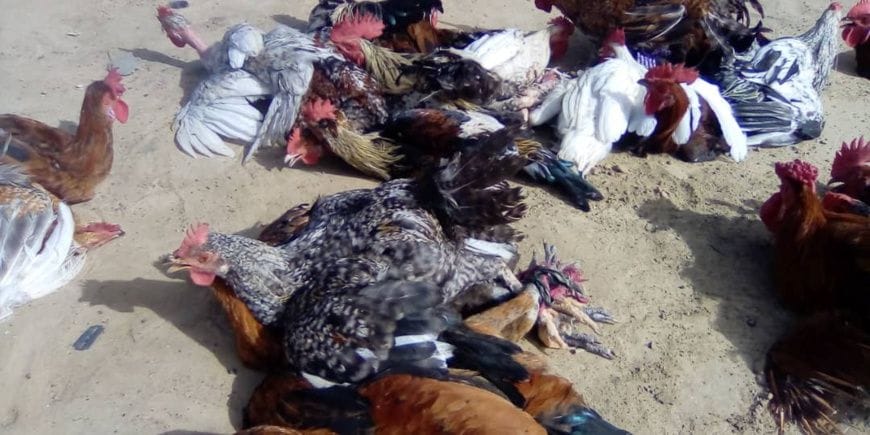
Chad: soaring poultry prices hit households and traders in Ati
Rising poultry prices in Ati are straining local households, traders, and poultry farmers, threatening food security and the regional economy. Urgent measures are needed to restore stability.
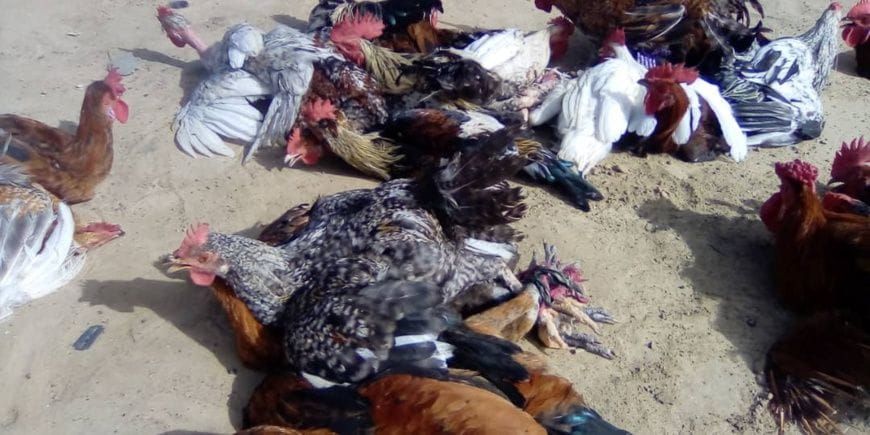
The surge in poultry prices in Ati has sent ripples through local communities, leaving households, traders, and poultry farmers struggling to adapt. As purchasing power declines and consumption patterns shift, the rising costs threaten both food security and the vitality of the regional economy.
Market slowdown and shrinking demand
The usually bustling central market of Ati now wears a quieter demeanor. Customers pause before cages filled with chickens and Guinea fowl, negotiating prices before often walking away empty-handed. Over recent months, poultry prices have climbed sharply, disrupting long-standing dietary habits and placing pressure on every link of the supply chain.
From bargain to luxury
Traders report that chickens once priced between 6,000 and 8,000 FCFA now sell for 10,000 to 15,000 FCFA, depending on size and season. Guinea fowl and roosters have followed suit, with prices jumping from 1,500–2,000 FCFA to as high as 3,500–6,000 FCFA. The spike is particularly noticeable ahead of religious holidays and family gatherings, when demand traditionally peaks.
Households adapt to rising costs
For many families, purchasing poultry has become a rare luxury. In the face of steadily rising living costs, households are cutting back on protein sources. “We used to prepare chicken once a week for the children,” says Amina Mahamat, a mother of five. “Now it’s an exception. We’re forced to choose cheaper foods.” The shift not only affects meal quality but also raises concerns about long-term nutritional balance.
Traders struggle to stay afloat
Despite the price hikes, traders aren’t seeing higher profits. Sales have slowed, and customers are buying less. “Higher prices don’t mean more income,” says Issa Hassan, a poultry vendor with over a decade of experience. “People come, look, and leave without buying. It’s a tough time.” Restaurants and grilled meat vendors face similar pressures, often raising meal prices or reducing portions to stay competitive.
Farmers bear the weight of rising costs
While consumers complain about high prices, poultry farmers point to their own rising expenses. Feed, veterinary supplies, and transportation costs continue to climb. Seasonal shortages of grazing land, water scarcity, and disease outbreaks further strain operations. “Every month, costs go up,” says Abakar Abdoulaye, a local poultry farmer. “We have to charge more just to break even, but profits are shrinking.”
Local economy feels the squeeze
The impact extends far beyond the poultry market. Transporters, livestock feed suppliers, restaurateurs, and small traders all report declining business. Some estimate poultry sales have dropped by 20 to 30 percent compared to the same period last year—though official data is still pending. Economists warn that when consumption falls, entire economic chains suffer, from household incomes to small business revenues.
Calls for urgent action
Local leaders and community groups are urging authorities and development partners to intervene. Proposed solutions include: improving access to affordable poultry feed, strengthening veterinary services, launching vaccination campaigns against avian diseases, offering financing options for small-scale farmers, and providing technical support to boost local production. These steps could help increase supply, stabilize prices, and strengthen food security in the Batha region.
A growing concern
The soaring poultry prices in Ati reflect broader challenges faced by families adapting to rising living costs. Without lasting solutions, the situation risks deepening household insecurity and stalling local economic growth. For many residents, securing affordable, nutritious food has become a daily challenge—making price control for essential goods a top priority for local and national leaders.