
Chad’s president grants pardon to opposition leader Succès Masra
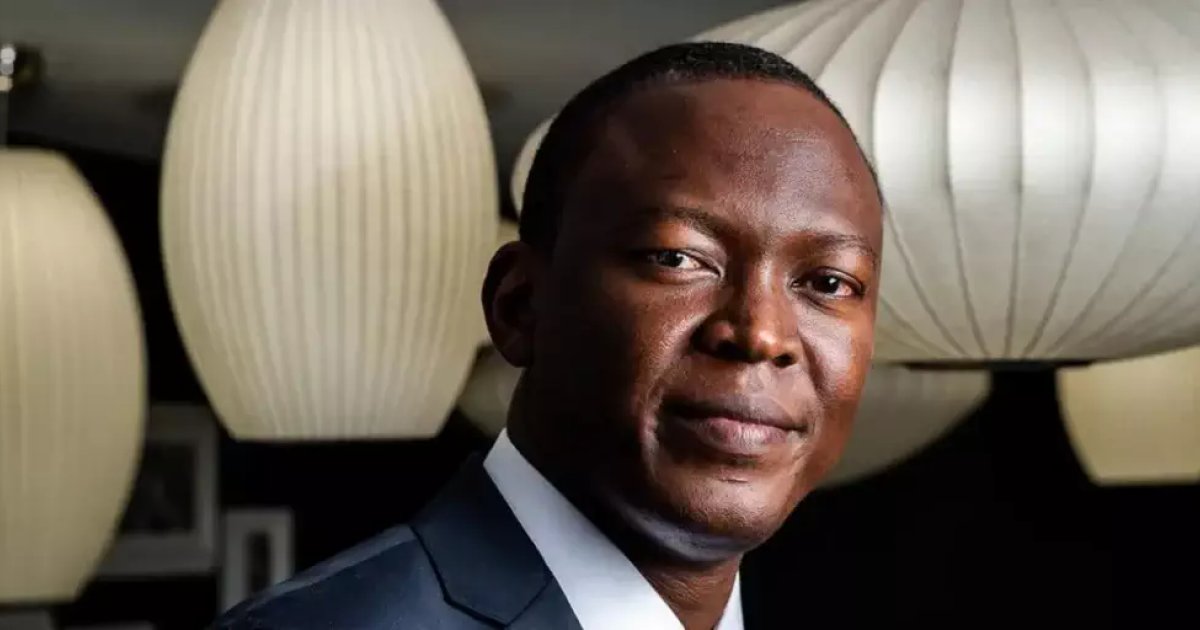
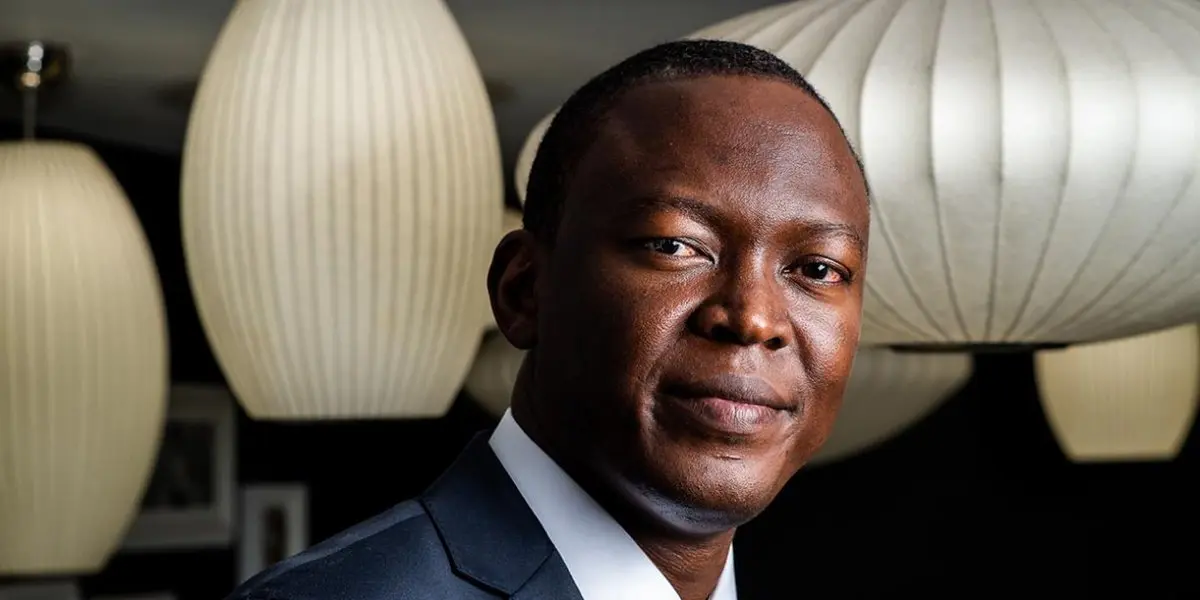
Chad’s head of state, Mahamat Idriss Déby Itno, has taken a significant step toward easing political tensions by granting a presidential pardon to Succès Masra, a prominent opposition figure and former Prime Minister. The decision, announced on August 14, 2026, follows a 20-year prison sentence imposed on Masra in August 2025 for his role in deadly clashes in western Logone Province.
Legal context and implications of the pardon
The presidential clemency comes after the Supreme Court’s rejection of Masra’s appeal in May 2026, upholding the original sentence. This ruling exhausted all ordinary legal avenues, leaving the presidential pardon as the most viable path to alter the execution of the sentence.
While the pardon signifies a potential early release, it does not overturn the conviction itself. Legal analysts note that this distinction is critical, as the pardon addresses the enforcement of the penalty rather than the judicial findings of guilt. For Masra’s legal team and political allies, who have consistently challenged the trial’s legitimacy, the pardon offers a chance for freedom without erasing the charges against him.
From transition leader to opposition figure
Succès Masra’s political journey has seen dramatic shifts. Appointed Prime Minister in January 2024 as part of Chad’s transitional government, he later became a vocal critic of Mahamat Idriss Déby following the disputed presidential election of May 6, 2024. Official results placed Masra in second place with approximately 18% of the vote, far behind Déby’s 61%. Despite contesting the outcome, Masra ultimately accepted the Constitutional Council’s confirmation and resigned from his post.
His arrest in May 2025, followed by a swift trial and conviction, marked a sharp escalation in tensions between the opposition and the ruling administration. The clashes in Mandakao, Logone Occidental, which led to dozens of fatalities, provided the backdrop for Masra’s sentencing on charges including incitement to hatred and complicity in murder.
A gesture of reconciliation ahead of national celebrations
The timing of the pardon aligns with Chad’s upcoming independence anniversary, where calls for political reconciliation have grown louder. In recent months, voices from civil society and political circles have urged the government to demonstrate flexibility toward opposition figures. Masra’s case became a focal point of these discussions, with advocates arguing that clemency could foster a more inclusive political climate.
While the pardon may ease immediate pressures, it leaves unresolved broader questions about the legal and political future of Chad’s opposition. For Succès Masra, the decision offers a path to freedom, but the shadow of his conviction remains—a reminder of the deep divisions within the nation’s political landscape.