
Catholic leaders urge greater Christian political participation in Senegal
The Movement autonome chrétien pour le développement durable (MAC 20), a prominent Senegalese civil society organization, has voiced concerns about the insufficient political involvement of Christians in the country. During a June 2017 forum in Mbour—held ahead of the July legislative elections—the group highlighted the need for stronger Christian leadership within political parties and institutions.
The event, presided over by then-defense minister Augustin Tine, focused on the theme “Christian Political Engagement and Leadership,” bringing together religious and community leaders to discuss ways to boost representation.
Lack of Christian influence in Senegal’s political arena
Speaking on behalf of MAC 20, president Emile Daly Diouf emphasized that while Christians are active in politics, they lack a cohesive leadership voice. “Despite being a minority, we must demand greater representation where critical decisions are made,” he stated. “Our goal is not to field candidates but to support those who share our values, ensuring their voices carry weight in national discussions.”
Diouf also acknowledged the organization’s openness to endorsing presidential hopefuls in the 2019 election, contingent on their alignment with Christian principles. “We will empower Christians to step into leadership roles and back their political aspirations,” he added.
Chronic underrepresentation in parliament
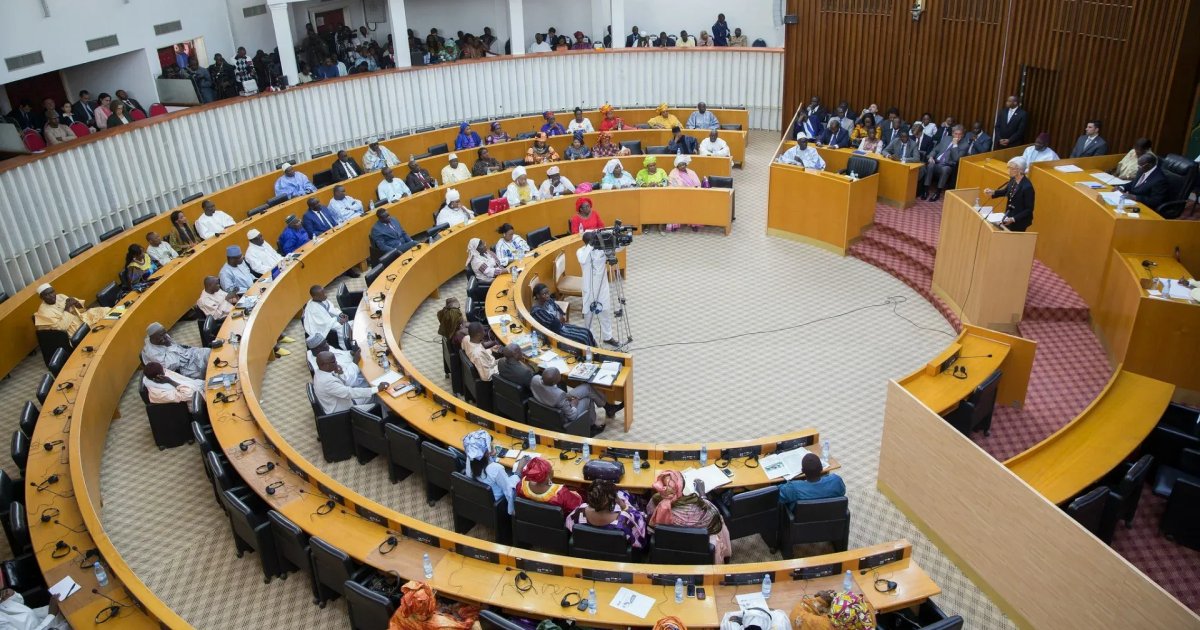
Hélène Tine, a Christian lawmaker and one of only three Christians in Senegal’s 150-seat National Assembly, echoed these concerns. “Faith should not exclude us from governance. The Church encourages civic participation, yet our community remains hesitant,” she noted.
She pointed out that Christians are often placed in non-electable positions on party lists, limiting their chances of winning seats. “Out of 64 female deputies, I am the sole Christian representative. This imbalance reflects deeper structural challenges,” she said. “Parties must do more to foster diversity—a cornerstone of Senegalese democracy.”
The discussions underscored the gap between the Church’s moral influence and its political footprint, urging Christians to move beyond passive citizenship and shape the nation’s future actively.