
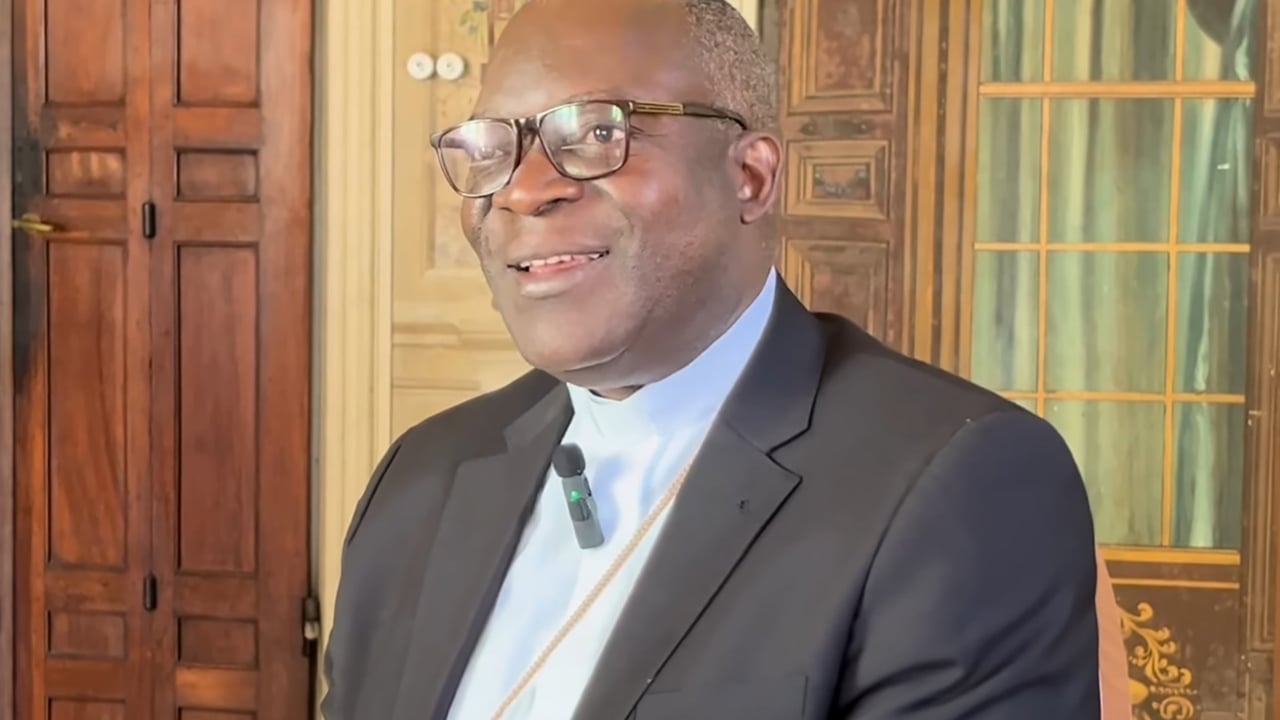
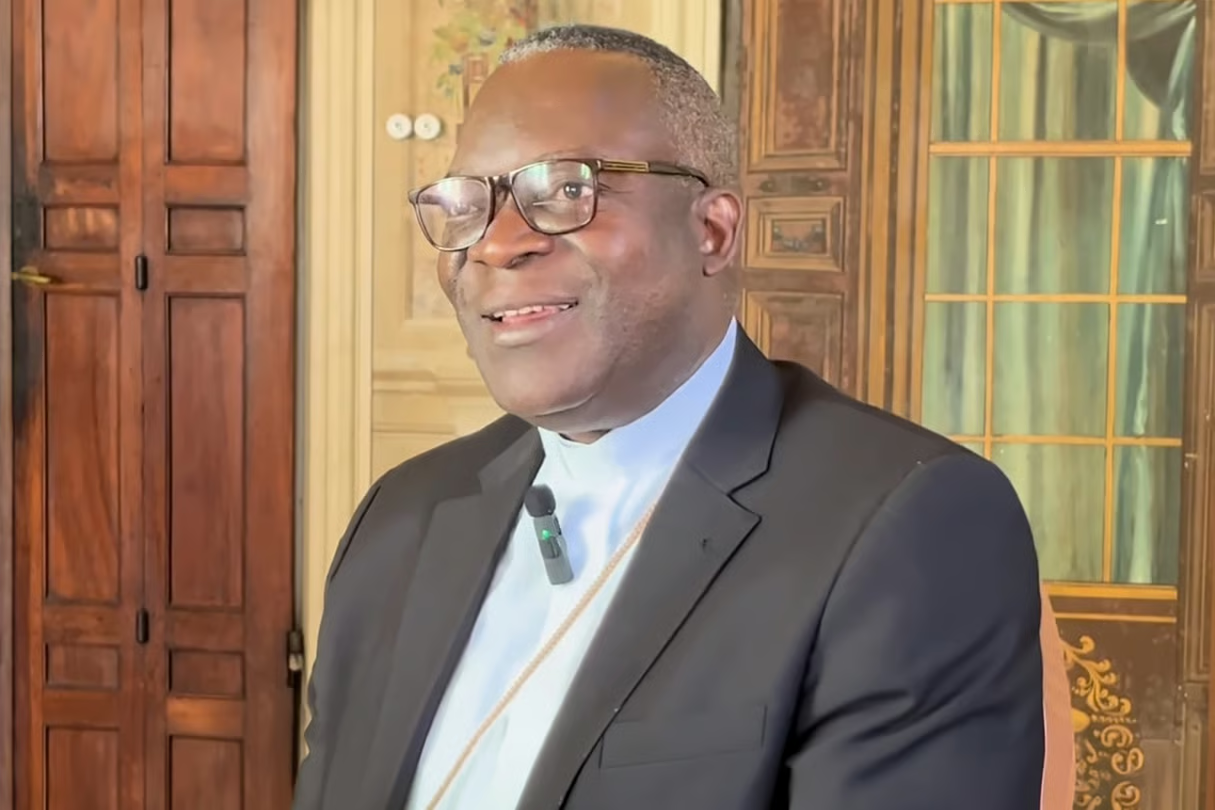
The head of the National Episcopal Conference of Congo (Cenco) has strongly criticized the planned constitutional referendum, warning that it is highly inappropriate to hold such a vote amid the country’s ongoing security crises.
In a candid interview, Bishop Fulgence Muteba emphasized that the timing of the referendum could further destabilize an already fragile situation. “A referendum under these conditions is not just untimely—it is irresponsible,” he stated. The Bishop argued that the nation’s focus should remain on addressing urgent humanitarian and security challenges rather than political changes.
The upcoming referendum, intended to introduce constitutional amendments, has sparked heated debates across the Democratic Republic of the Congo. Supporters claim it will modernize governance structures, while opponents argue it could deepen political divisions. Bishop Muteba’s remarks add significant weight to the growing chorus of criticism surrounding the process.
Why the timing is being questioned
With armed conflict persisting in several regions, including the volatile eastern provinces, the Bishop highlighted the immense risks of holding a referendum in such an environment. “How can we expect citizens in war-torn areas to participate meaningfully in the process?” he asked. The lack of security in these zones makes it nearly impossible to ensure a fair and inclusive vote.
Election observers and civil society groups have echoed similar concerns. They point out that the referendum’s proposed changes could have far-reaching consequences, potentially altering the balance of power and influencing future elections. Bishop Muteba stressed that any constitutional reforms should be postponed until the country achieves a minimum level of stability.
Calls for national dialogue
Beyond the referendum debate, the Bishop urged national leaders to prioritize dialogue and reconciliation. He called for an inclusive process that involves all stakeholders, including opposition figures, religious leaders, and civil society representatives. “True progress can only be achieved through consensus,” he asserted.
The Cenco leader also warned against the dangers of rushing political decisions without broad-based support. He insisted that the government must create an environment conducive to constructive discussions rather than exacerbating tensions through contentious votes.
Reactions from political figures
Political leaders have responded to the Bishop’s statements with a mix of support and criticism. Some have praised his courage in speaking out, while others dismissed his concerns as politically motivated. The debate over the referendum has become yet another flashpoint in the nation’s deeply polarized political landscape.
The government, however, remains firm on proceeding with the vote as scheduled. Officials argue that the constitutional changes are necessary to strengthen democratic institutions and improve governance. Yet, skepticism persists among many Congolese citizens, who question whether the timing is appropriate given the country’s ongoing struggles.
As the referendum approaches, the Bishop’s warnings serve as a stark reminder of the challenges facing the Democratic Republic of the Congo. The nation stands at a critical juncture, where the decisions made today could shape its future for years to come.