

File generated on
Senegal’s debt restructuring: critical insights from the IMF mission in Dakar
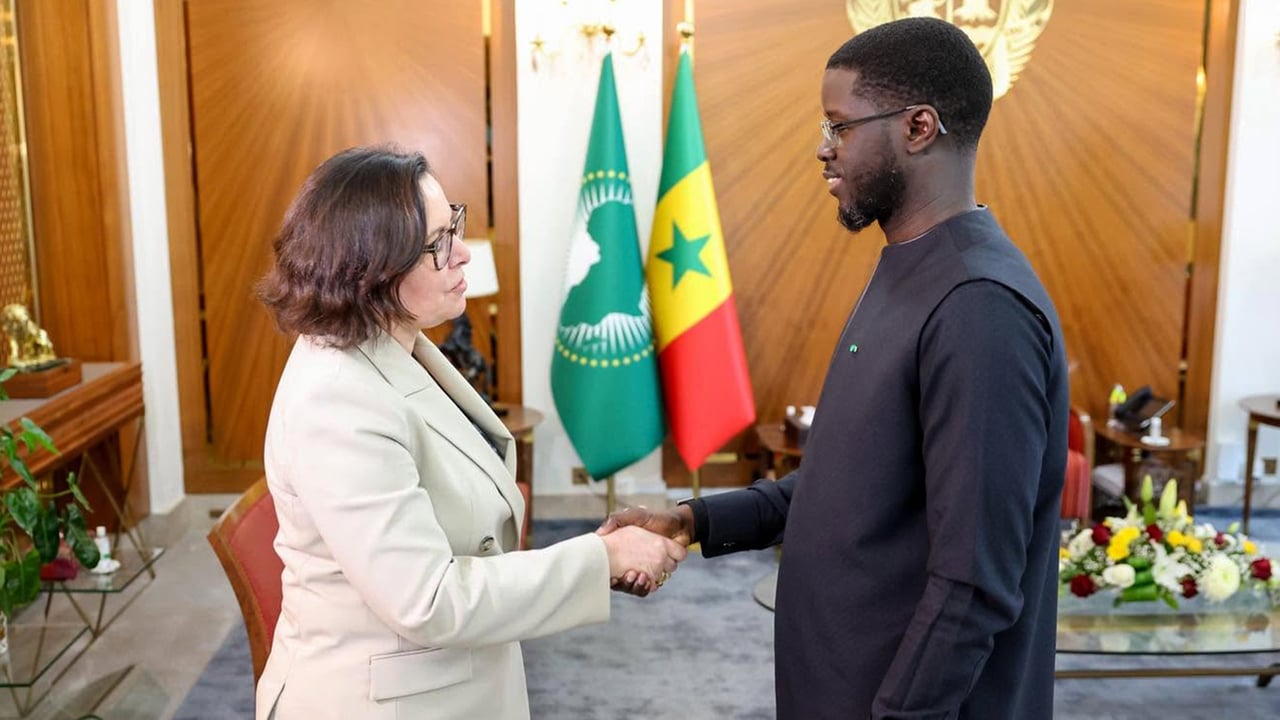
The International Monetary Fund’s (IMF) technical team concluded a pivotal week-long review in Dakar, engaging directly with President Bassirou Diomaye Faye and key government officials. Their mission centered on addressing Senegal’s hidden debt crisis, a pressing challenge threatening the nation’s economic stability. Here’s what emerged from these high-stakes discussions.
Understanding Senegal’s debt dilemma
The IMF delegation, led by Mercedes Vera Martin, arrived in the capital with a clear mandate: assess the true scale of Senegal’s debt burden and propose sustainable restructuring solutions. The findings underscore a debt-to-GDP ratio exceeding 70%, a figure that has raised alarms among investors and development partners. Hidden liabilities, accumulated through opaque agreements, now demand urgent transparency.
Senegal’s economic planners face a delicate balancing act. While public investment remains critical for growth, the rising debt servicing costs are diverting resources from essential social programs. The IMF’s preliminary analysis reveals that debt service now consumes over 30% of annual revenue, leaving limited fiscal space for education, healthcare, and infrastructure.
Key demands from the IMF team
The IMF’s proposals hinge on three core pillars designed to restore fiscal credibility:
- Fiscal consolidation: Implementing stricter budgetary controls to curb unnecessary expenditures and reduce the primary deficit.
- Debt transparency: Mandating full disclosure of all public debt obligations, including those previously undisclosed.
- Structural reforms: Accelerating state-owned enterprise privatizations and enhancing revenue collection mechanisms.
President Faye, during closed-door sessions, emphasized his administration’s commitment to responsible governance. He acknowledged the need for painful but necessary adjustments, signaling a departure from past practices that favored short-term political gains over long-term sustainability.
Reactions from Dakar’s economic circles
The IMF’s visit has sparked intense debate among Senegalese economists. Some analysts argue that the proposed measures, while tough, are essential to avert a debt default. Others caution that aggressive austerity could stifle economic recovery, particularly in a post-pandemic landscape where job creation remains sluggish.
Local business leaders express cautious optimism. “The IMF’s focus on transparency is a step in the right direction,” noted a Dakar-based economist. “However, the success of these reforms will depend on how effectively they are implemented without suffocating private sector growth.”
What’s next for Senegal?
The IMF team is set to finalize its recommendations in the coming weeks, with a formal agreement expected by the end of the second quarter. If approved, the program could unlock $650 million in additional financing, providing a lifeline to stabilize public finances.
Yet challenges loom large. Political resistance to unpopular measures, coupled with social pressures from a youthful population demanding better services, could derail even the most well-intentioned plans. The coming months will test Senegal’s resolve to break free from the shackles of unsustainable debt.