
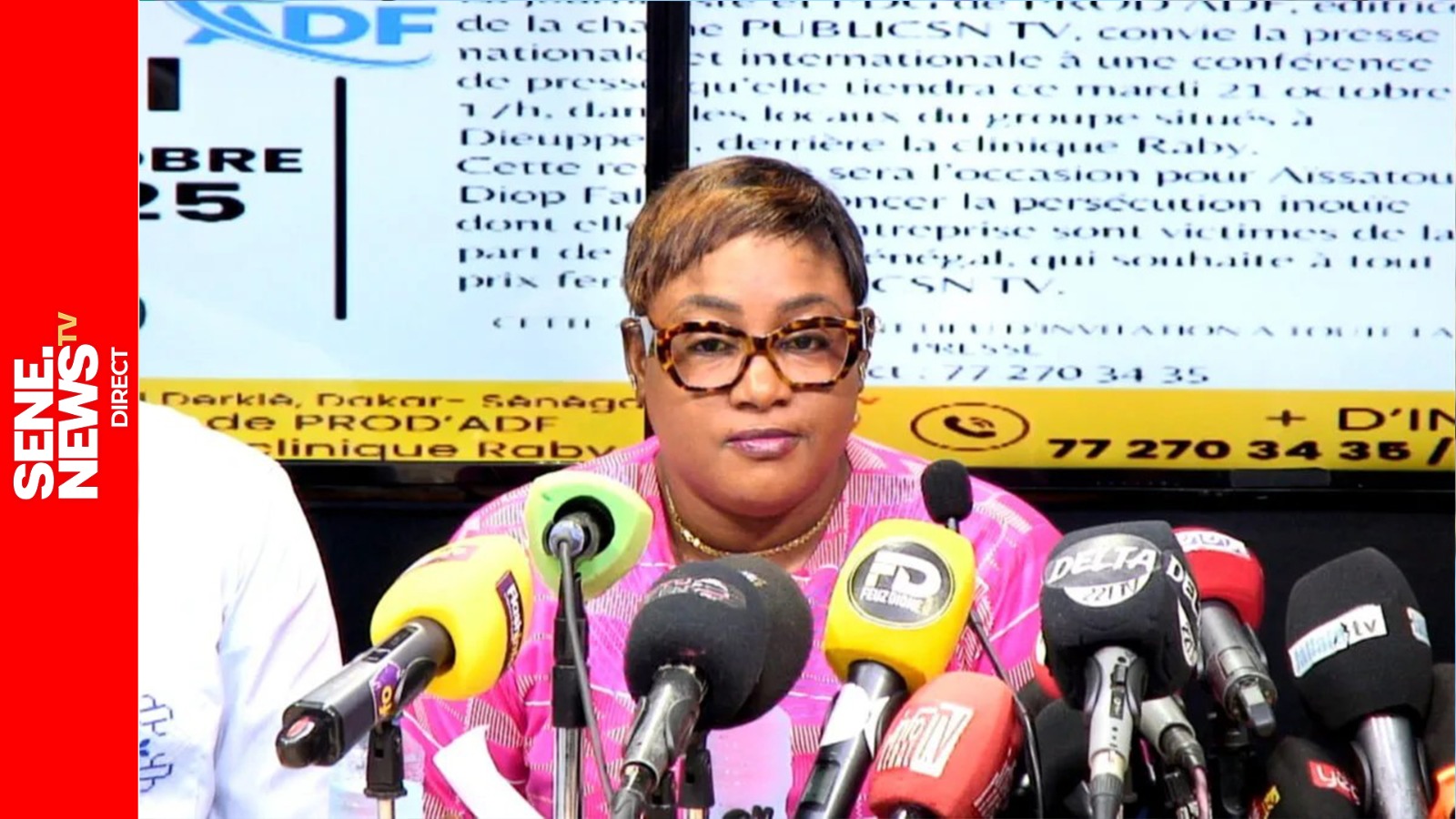
Aïssatou Diop Fall, a prominent journalist and television channel director in Senegal, now faces significant legal consequences following a high-profile summons by the Division spéciale de cybersécurité (DSC), the national police’s cybersecurity unit. The investigation stems from inflammatory remarks she made in a widely circulated video about Ousmane Sonko, leader of the opposition party Pastef.
The controversy began when Diop Fall publicly stated a wish for Sonko to be kidnapped by terrorists—a statement that sparked immediate backlash across social media and public forums. In response to the uproar, she issued a public apology video, attempting to mitigate the damage. However, the prosecutor’s office in Dakar proceeded with her summons, signaling that legal repercussions may follow despite her attempts to retract her words.
Under Senegalese law, statements that incite violence, threaten public order, or indirectly call for harm against individuals can lead to serious legal consequences. The Cybersecurity Act further strengthens these penalties by criminalizing the dissemination of harmful or inflammatory content online, even if no direct action is taken. Authorities are now evaluating whether Diop Fall’s remarks qualify as an offense under these laws.
If convicted, the penalties could range from heavy fines to imprisonment, depending on the severity of the offense. The final decision rests with the DSC investigators and the prosecutor’s office after a thorough review of her statements and the circumstances surrounding their publication. This case underscores the strict legal boundaries governing public discourse in Senegal, particularly when it comes to high-profile political figures.