
Investigations reveal a covert supply chain linking the Guinean capital’s port to Malian conflict zones. High-profile shipments, allegedly carrying military-grade hardware, have been documented transiting through Conakry under the guise of commercial cargo.
A strategic maritime gateway for military logistics
The Port of Conakry has emerged as a critical node in an intricate network facilitating the movement of Russian-origin weapons and personnel into Mali. Recent maritime records and on-the-ground reports indicate that the facility is being exploited to bypass international restrictions imposed on arms trafficking to conflict zones.
Documented patterns of arms smuggling
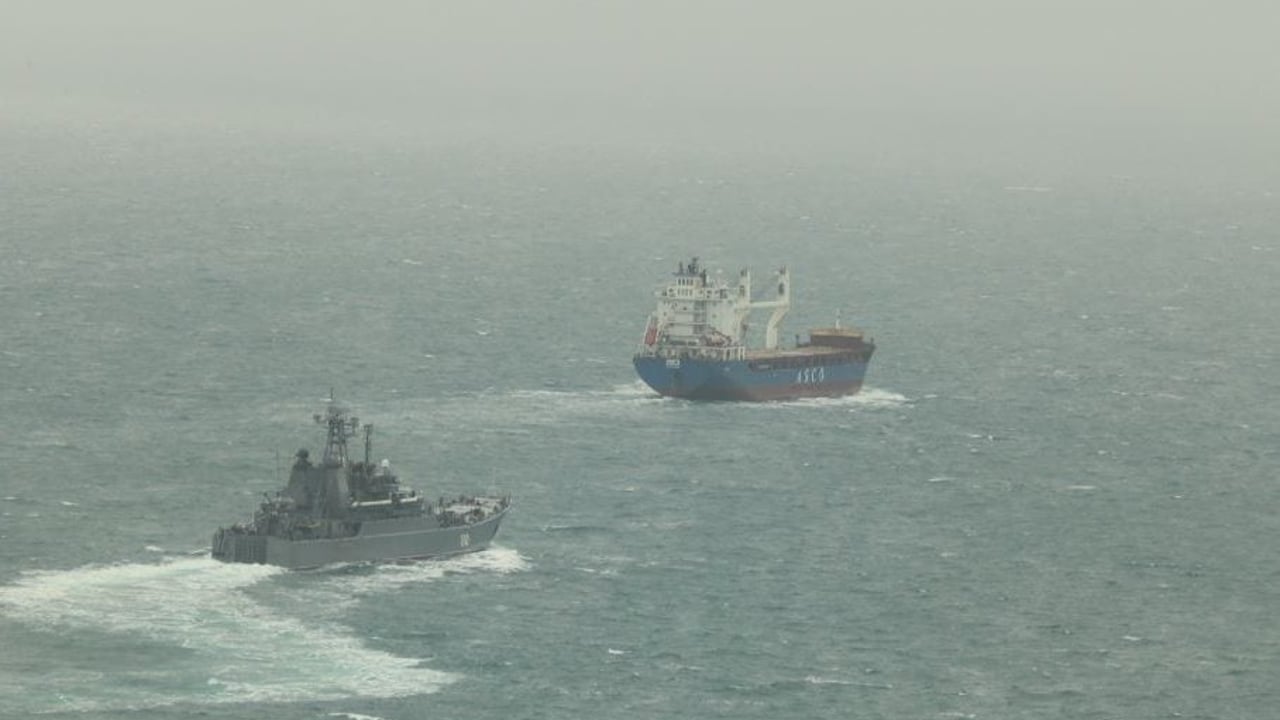
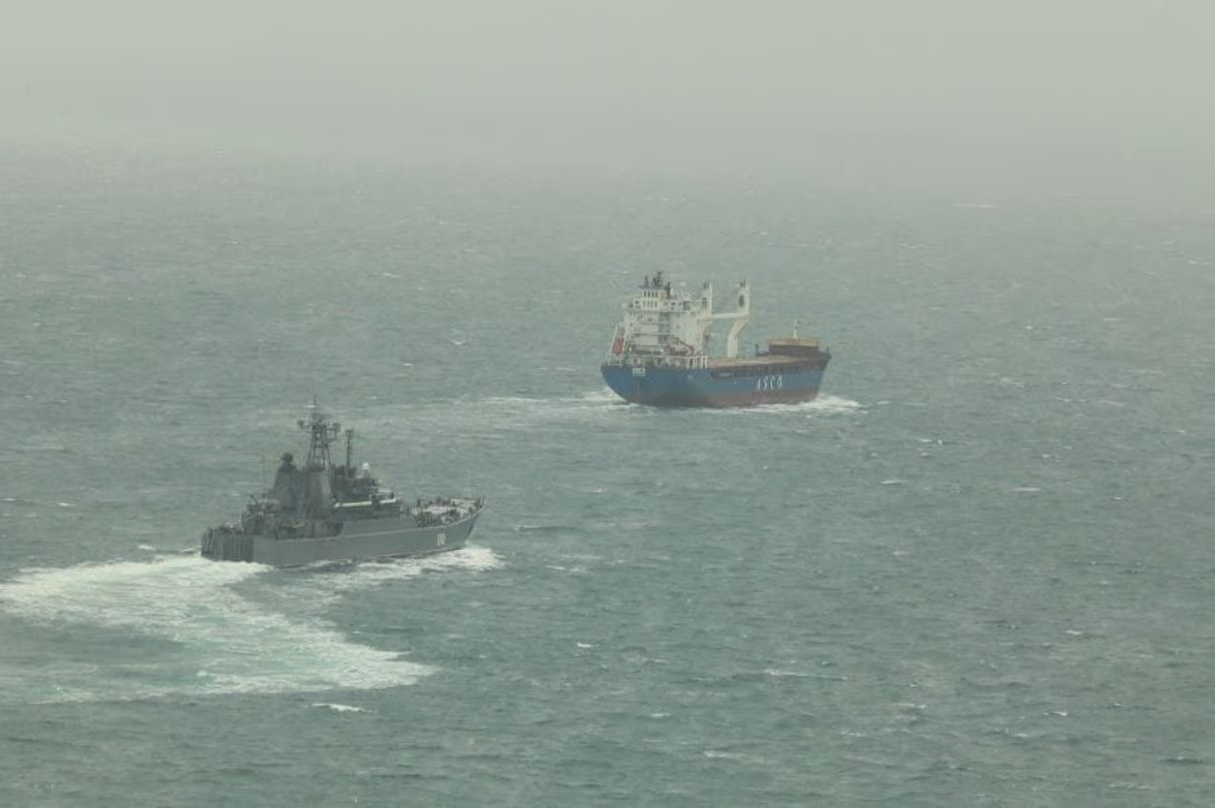
Evidence points to a recurring modus operandi: cargo vessels flagged in third countries, often with opaque ownership structures, dock in Conakry before continuing to Malian ports under military escort. One such instance involved the Sabetta, a commercial cargo ship intercepted in the English Channel in March 2026 while transporting containers later identified as part of a larger consignment destined for Bamako.
The cargo’s declared contents—civilian supplies and construction materials—masked its true nature. Investigators later confirmed the presence of Africa Corps-branded crates, a successor entity to the disbanded Wagner Group, alongside sophisticated weaponry including anti-tank missiles and communication systems.
Geopolitical implications and regional tensions
This covert logistics route raises serious concerns about Guinea’s neutrality and its role in the Sahel’s escalating security crisis. While Conakry has not formally acknowledged these activities, diplomatic sources suggest that the transit operations occur with tacit approval from certain factions within the Guinean government.
The Malian transitional authorities, led by Colonel Mamadi Doumbouya, have neither confirmed nor denied involvement in these shipments. However, satellite imagery and intercepted communications link high-ranking officials in Bamako to the coordination of these deliveries, which coincide with intensified military campaigns against rebel groups in central Mali.
Economic and security fallout
The proliferation of weapons through Guinean waters has far-reaching consequences:
- Regional destabilization: The influx of advanced weaponry exacerbates existing conflicts in Mali, fueling a cycle of violence that spills across borders into neighboring Burkina Faso and Niger.
- Economic strain: The Guinean economy bears the brunt of reputational damage, with foreign investors increasingly wary of engaging with the Port of Conakry due to its association with illicit arms trade.
- Security vulnerabilities: The port’s lack of stringent monitoring systems enables these clandestine operations, highlighting systemic weaknesses in regional maritime security frameworks.
Countermeasures and unanswered questions
International observers have called for enhanced scrutiny of Guinea’s maritime activities, including mandatory inspections of vessels originating from or transiting through Conakry. However, bureaucratic hurdles and political sensitivities have so far impeded decisive action.
The Guinean authorities have pledged to tighten oversight in response to growing pressure, but concrete steps remain elusive. Meanwhile, civil society groups in Guinea and Mali are demanding transparency, arguing that unchecked arms trafficking undermines peacebuilding efforts in the Sahel.
As the situation evolves, the Port of Conakry’s role as an unsanctioned conduit for military logistics continues to fuel speculation and diplomatic friction across West Africa.