
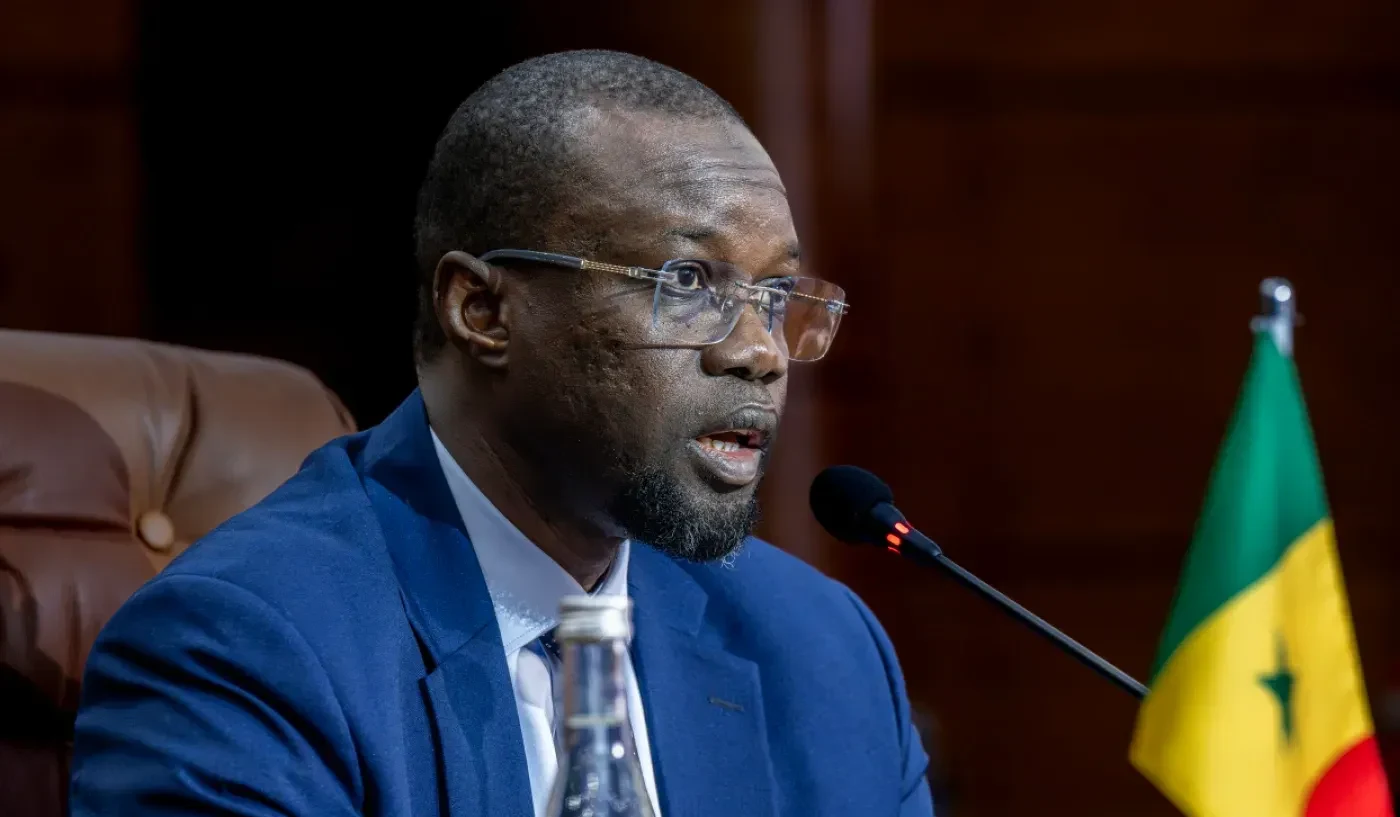
The decision by RTS 1 to bypass the live broadcast of the parliamentary session on constitutional reform has ignited a storm of criticism across digital platforms. As citizens express their frustration over what they call a biased editorial strategy, the conversation regarding how national media handles institutional transparency is reaching a fever pitch in Sénégal.
Public broadcaster under fire for selective coverage
Media representation of the constitutional revision process remains a flashpoint for tension in Sénégal. On Monday, June 29, 2026, the state-run channel RTS 1 faced significant backlash after it declined to provide live coverage of the plenary session dedicated to reviewing bill n°17/2026, which proposes several amendments to the Constitution.
This absence of a live feed immediately triggered a cascade of reactions on social media. Many observers have characterized the move as a calculated editorial choice that leans toward political censorship. On X, the volume of critical commentary surged within minutes of the parliamentary proceedings beginning.
Concerns over political visibility for Ousmane Sonko
A segment of the public is struggling to understand the rationale behind this blackout. For many, this is seen as a deliberate tactic to sideline specific political figures from the national spotlight, particularly regarding the visibility of Ousmane Sonko during high-stakes institutional debates.
While the session was officially titled “Plenary Session – Examination of Bill No. 17/2026 on Constitutional Revision,” the lack of a corresponding television broadcast on the public channel left a void that was quickly filled by online outrage. The disconnect between the importance of the legislative work and the media’s silence has fueled accusations of a lack of neutrality.
Online feedback has ranged from weary resignation to sharp condemnation. Some citizens noted that such omissions are no longer unexpected, while others warned against the normalization of poor media coverage for essential democratic events. The prevailing sentiment is one of profound disappointment and persistent confusion regarding the true mission of Sénégal‘s public television service.