
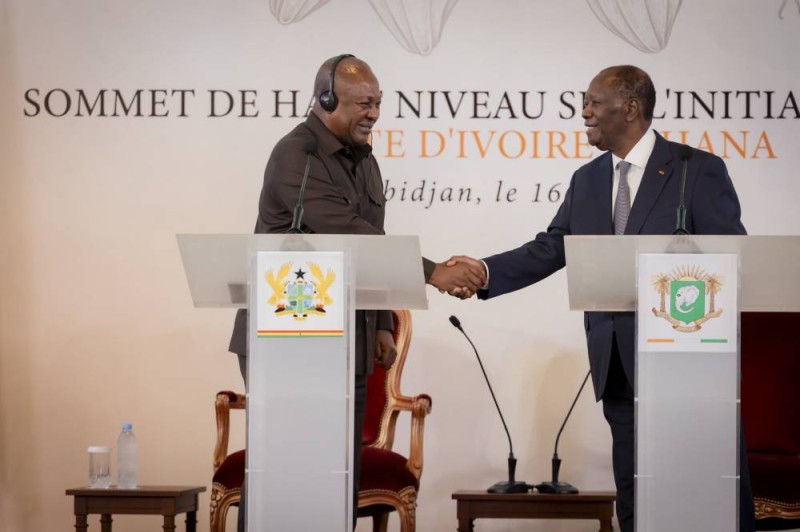
Côte d’Ivoire and Ghana reinforce commitment to sustainable cocoa production
The leaders of Côte d’Ivoire and Ghana have reaffirmed their dedication to fostering a more equitable and resilient cocoa sector through a landmark high-level summit. Held at the Ivorian Presidential Palace in Abidjan-Plateau, the gathering brought together President Alassane Ouattara and Ghanaian counterpart John Dramani Mahama to chart a course for the future of one of Africa’s most vital agricultural industries.
Strategic decisions for a stronger cocoa economy
During the pivotal meeting, both heads of state outlined key measures to enhance the sustainability and profitability of cocoa farming. Among the priorities discussed were:
- Price harmonization: Establishing unified minimum farmgate prices to ensure fair compensation for farmers in both nations.
- Value addition: Expanding local processing capabilities to capture greater revenue within the cocoa value chain.
- Regional expansion: Inviting other African cocoa-producing nations to join the initiative, reinforcing a continental approach to sustainable development.
These decisions reflect a shared vision to place farmers at the heart of policy-making, ensuring their livelihoods remain central to the industry’s growth.
Cocoa’s pivotal role in economic and social development
Côte d’Ivoire and Ghana together account for over 60% of global cocoa production, with Africa contributing roughly 80%. The sector sustains millions of livelihoods across the continent, making it a cornerstone of economic stability and social progress. President Ouattara emphasized cocoa’s dual significance:
“This commodity is not just an economic asset—it is a social and sovereignty imperative. The farmer, through relentless daily labor, sustains not only the global chocolate industry but also the dreams of millions of African families.”
Milestones and future challenges
The summit celebrated the progress achieved since the historic Abidjan Declaration of March 26, 2018, when both nations first united to influence global cocoa prices. The introduction of a living income differential has already improved farmer incomes and demonstrated the power of coordinated action in stabilizing market fluctuations.
However, challenges persist. The leaders acknowledged pressing issues such as:
- Price volatility driven by global market dynamics.
- The devastating impacts of climate change on cocoa cultivation.
- Aging cocoa trees and the spread of plant diseases.
- Illegal gold mining encroaching on agricultural land.
- Rising competition from alternative crops and stringent international sustainability standards, particularly from the European Union.
Ghanaian leadership voices optimism for the sector
President Mahama echoed his Ivorian counterpart’s optimism, highlighting the success of the Ivorian-Ghanaian partnership in uplifting cocoa farmers. He underscored the need to:
- Empower farmers with the tools, resources, and knowledge to enhance productivity.
- Foster cross-border collaboration to share best practices and innovations.
- Mobilize additional investments to modernize cocoa farming and processing infrastructure.
- Engage neighboring cocoa-producing countries to ensure a unified and influential market presence.
“Our shared goal is to create an environment where farmers thrive,” Mahama stated. “By acting together, we can secure a prosperous future for this vital sector.”
A united front for Africa’s cocoa future
The summit concluded with a renewed pledge to prioritize farmer welfare, strengthen regional cooperation, and advocate for policies that support sustainable cocoa production. Both nations remain committed to leveraging their combined influence to drive positive change across the global cocoa market.
As the world’s top cocoa producers, Côte d’Ivoire and Ghana are setting a powerful example of how collaboration can transform an industry—one that nourishes economies, sustains communities, and shapes the future of agriculture in Africa.