
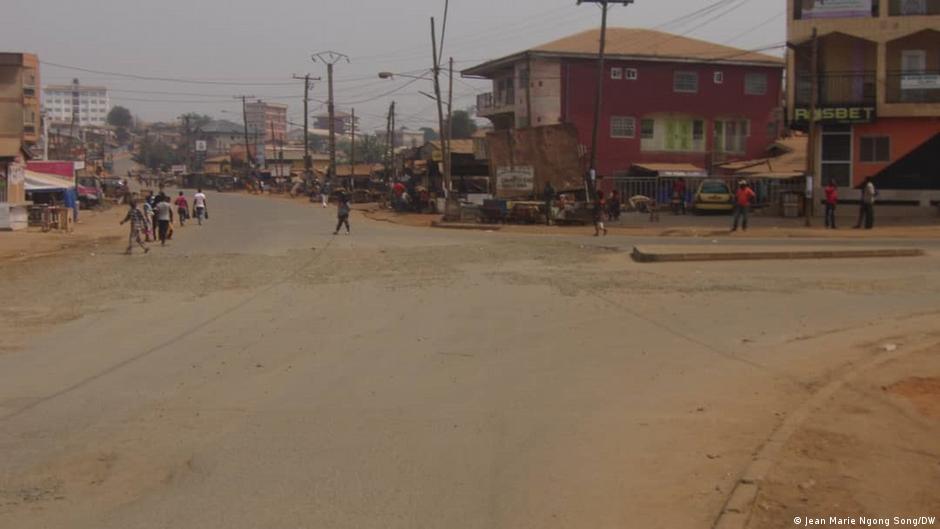
The national road 5 in Cameroon, stretching from the economic hub of Douala to Bafoussam and extending to Bamenda in the Northwest region, has become a corridor of despair. Once a vital artery for commerce and mobility, this critical route now stands as a testament to neglect, with crumbling infrastructure and a shocking rise in fatal accidents.
Years of relentless truck and intercity bus traffic, coupled with chronic underinvestment and the relentless assault of climate change, have reduced this economic lifeline to a hazardous obstacle course. The increasing intensity of seasonal rains has exacerbated the deterioration, washing away asphalt, widening potholes, and destabilizing the already fragile terrain.
Journeys turned into ordeals
Traveling along this route has transformed what should be a routine trip into an endurance test. Buses navigating the national road 5 now face flooded sections, gaping potholes, and sudden ground collapses. What once took three and a half hours to cover the 250-kilometer journey now demands nearly ten grueling hours of discomfort and risk.
Passengers endure the ordeal with no respite. Alice, a traveler making the trip from Bafoussam, shared her harrowing experience: « We left Bafoussam 14 hours ago. The main road through Haut-Nkam is completely impassable. We had to take a detour through Yaoundé and cut back at Bagangté just to reach Douala. We’re exhausted and in pain, but this is the only way. »
The deadly triangle of despair
The treacherous terrain of the West region, with its steep hills and unstable soil, amplifies the danger. The collapse of a cliff near Dschang in November 2024, which buried buses and cars and claimed 14 lives, underscored the route’s vulnerability to extreme weather. Known as the « Triangle of Death »—the stretch between Douala, Yaoundé, and Bafoussam—this section now accounts for nearly 100 fatalities each month, according to traveler accounts and local reports.
For those who brave the journey, arrival in Bafoussam or Douala feels like a painful relief. One anonymous traveler summed up the collective frustration: « I got here at 2 a.m. today. It was pure torture. If transit agencies rerouted buses through National Road 3 to Yaoundé and then took National Road 6, even at double the cost, travelers wouldn’t have to spend 10 or 11 hours on National Road 5 only to arrive in pieces. »
Government promises and public anger
In response to the crisis, authorities have announced a rehabilitation project estimated at 180 billion CFA francs. Yet skepticism runs deep among commuters. Mika Séma, a transporter, voiced the community’s outrage: « We pay tolls to maintain roads, but what maintenance? This road is a death trap. If the government won’t act, we must demand change—before more lives are lost. »
With each passing rainy season growing more violent, the national road 5 remains a ticking time bomb. Without urgent, large-scale intervention, it will continue to claim lives and cripple Cameroon’s economy.