
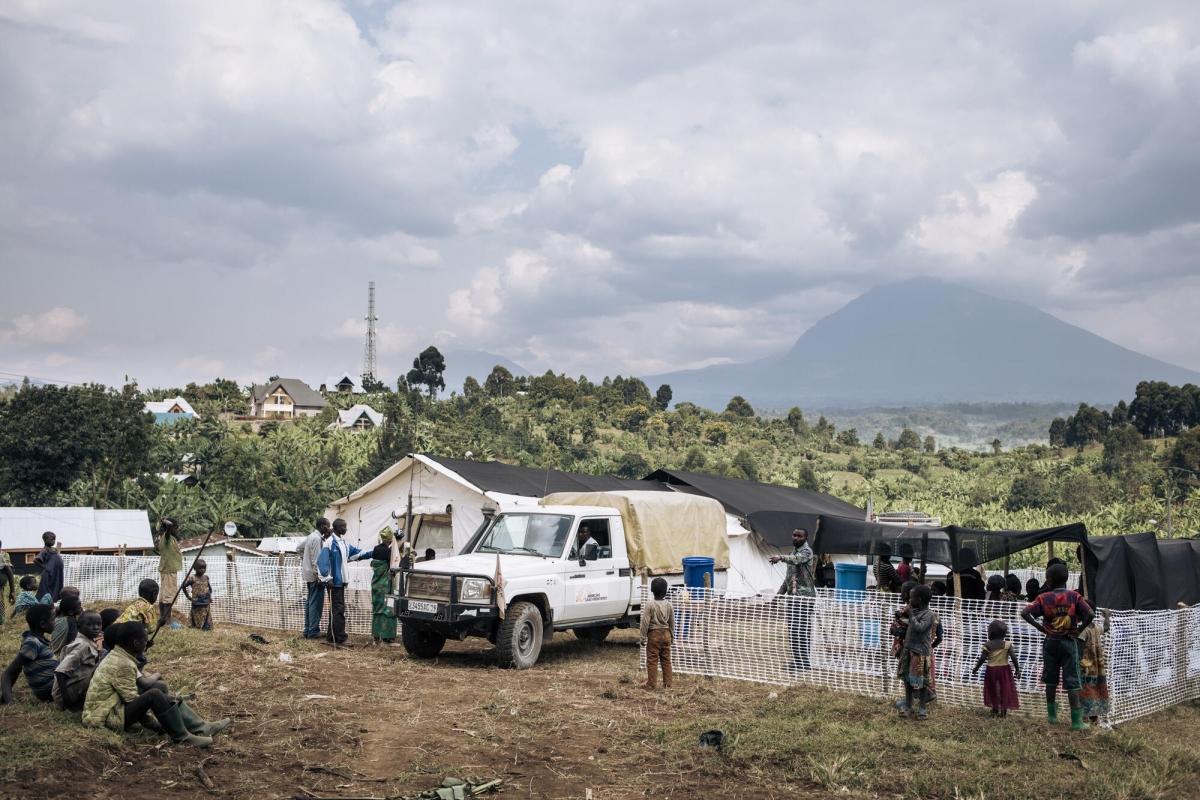
DRC’s North-Kivu at risk of being left out of malaria funding programs
As the deadline for Global Fund grant applications approaches, Doctors Without Borders (MSF) warns that the Democratic Republic of the Congo’s North-Kivu province may be excluded from upcoming malaria funding. With malaria remaining the leading cause of illness in this conflict-ridden region, this exclusion could have devastating consequences for local communities.
Global Fund’s GC8 cycle: financial decisions with severe health impacts
The GC8 represents the next three-year funding cycle (2027-2029) from the Global Fund to fight malaria, HIV and tuberculosis. Grant applications, based on national priorities, close at the end of July. Current projections show that North-Kivu – a province grappling with armed conflict – may no longer be included in malaria control programs.
These financial allocations directly determine healthcare access in the most vulnerable regions.
“For years, the Global Fund has been a lifeline for North-Kivu residents facing malaria. If funding stops, prevention and treatment services will collapse, turning a preventable disease into a death sentence. In 2026, no one should still be dying from malaria”, warns Stéphane Doyon, MSF’s Medical Coordinator.
The exclusion would come as the province battles multiple crises. The already strained health system now faces a worsening Ebola outbreak. Compounding the problem, early symptoms of malaria and Ebola overlap, complicating diagnoses, delaying treatment and overwhelming overburdened health facilities.
Armed conflict fuels malaria surge in North-Kivu
“North-Kivu remains one of the provinces hardest hit by armed conflict. Repeated displacement, food insecurity and barriers to healthcare access have pushed malaria cases to crisis levels”, explains Stéphane Doyon.
Clashes between government-backed armed groups and the M23 have forced civilians into forests or isolated areas – prime mosquito habitats with virtually no healthcare infrastructure. Malaria risk in these zones is skyrocketing.
In 2025, malaria accounted for 48% to 58% of medical consultations in health zones like Bambo, Kibirizi and Rutshuru where MSF operates. Key figures include:
- Over 255,000 uncomplicated malaria cases and 26,000 severe cases managed jointly by MSF, the Ministry of Health and partners
- More than 165,560 patients treated in MSF-supported facilities
Malnutrition: the silent multiplier of malaria’s deadly impact
Malnutrition rates are climbing across MSF-supported health structures. When combined with malaria, the risk of severe complications and death – particularly among children under five – multiplies dramatically.
Collapsing prevention efforts leave communities unprotected
Essential malaria prevention measures have already been scaled back in some areas. In historically funded zones, no long-lasting insecticidal nets have been distributed since June 2023. Between July and December 2025, no malaria treatments or diagnostic tests reached North-Kivu due to logistical hurdles.
MSF has been forced to procure medications and rapid tests to fill critical gaps. In Kibirizi, Bambo and Rutshuru, our teams provided:
- 53% of uncomplicated malaria treatments
- 35% of severe malaria treatments
A stopgap measure that cannot sustain a province the size of North-Kivu long-term.
MSF urges fair allocation of malaria resources
With the grant application deadline looming, MSF is calling on the Global Fund and Kinshasa authorities to immediately reinstate North-Kivu in the GC8 programming. We also urge the Ministry of Health to base resource allocation solely on disease burden and civilian vulnerability – not political or logistical convenience.