
Eastern DRC crisis: SADC demands strict adherence to Doha and Washington peace accords
- Security
The Southern African Development Community (SADC) convened an extraordinary virtual summit of the Organ on Politics, Defense and Security Cooperation on Monday, June 22, to address deteriorating security conditions in the region, with particular focus on Madagascar and the Democratic Republic of Congo (DRC).
SADC reaffirms commitment to regional peace and stability
Under the leadership of Enoch Kamzingeni Chihana, Malawi’s Second Vice President representing President Arthur Peter Mutharika, the SADC Troika emphasized the need to strengthen African mechanisms for crisis prevention and resolution. The organization reiterated its commitment to “safeguarding peace, consolidating democracy, and promoting stability and regional integration.”
Deep concern over eastern DRC instability
The SADC leadership expressed profound concern over the deteriorating security situation in eastern DRC, noting that instability threatens not only national peace but also regional cooperation efforts. Participants called on all conflict parties to respect commitments made in the Doha and Washington agreements, particularly ceasefire provisions.
The summit reiterated that African-led peace processes, supported by international efforts, remain essential for achieving sustainable stability, resilience, and lasting peace. The SADC Troika also announced it would submit recommendations to the upcoming SADC Heads of State and Government Summit for consideration.
Next steps and regional implications
The recommendations will be presented at the 46th Ordinary SADC Summit scheduled for August 16-17, 2026, in Durban, South Africa. This meeting will mark the beginning of South Africa’s 12-month presidency of the regional economic community, following Madagascar’s political crisis that led to the removal of former President Andry Rajoelina in October 2025.
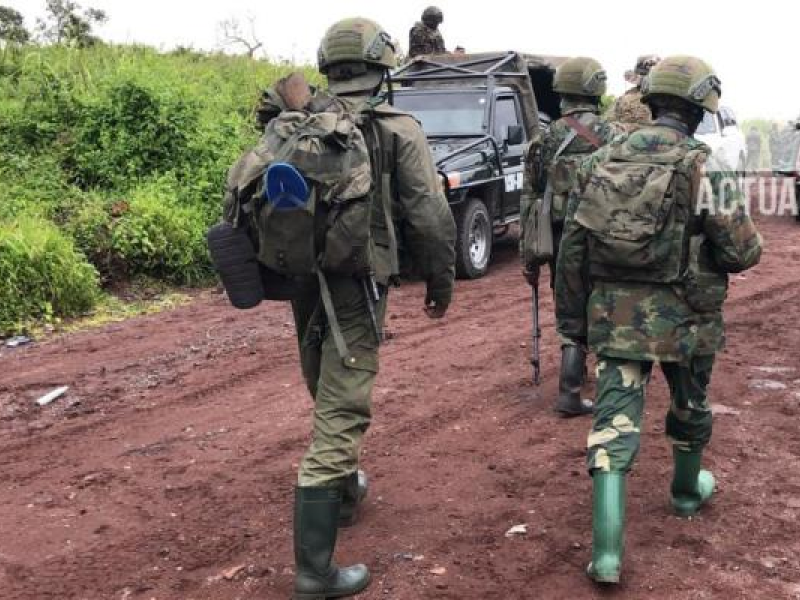
The June 22 meeting occurred amid diplomatic efforts including the Washington and Doha agreements aimed at establishing a durable ceasefire and relaunching dialogue among DRC conflict stakeholders. However, these initiatives have yet to produce concrete results on the ground, where hostilities continue between rebel groups and government forces.
Despite repeated calls from national, regional, and international actors for adherence to peace agreement commitments, the persistent gap between diplomatic advances and ground realities persists. Each party continues to interpret agreement provisions differently, making implementation increasingly uncertain.