
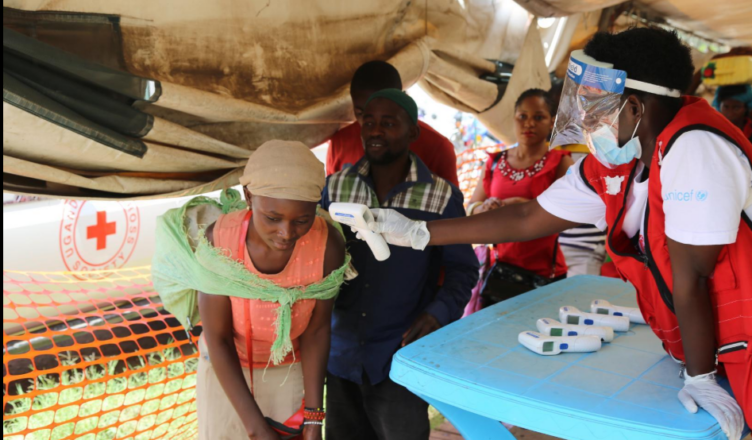
Health crisis deepens as Ebola cases rise in eastern DRC
The Democratic Republic of Congo is facing a significant health challenge as the Ebola virus continues its spread through the eastern regions. Since the outbreak was officially declared in mid-May, the number of recorded cases has climbed to 1,203, with the death toll now reaching 321 individuals. Health officials are currently monitoring 419 patients who are either hospitalized or in isolation, while 148 people have successfully recovered from the disease.
This epidemic, triggered by the Bundibugyo strain, has now been identified in 34 different health zones. The province of Ituri remains the most heavily affected area, though the virus has also been detected in North Kivu and South Kivu. Medical teams are working under pressure to contain the transmission in these volatile regions.
Obstacles hindering the medical response
Several critical factors are complicating the fight against the virus. Local health authorities have highlighted a persistent reluctance among some communities to allow post-mortem testing, which is vital for tracking the spread. Additionally, the medical infrastructure in Ituri is stretched thin, and contact tracing efforts are currently falling short of the 95% efficiency target required to break the chain of infection.
To mitigate the risk, the population is being urged to report any suspicious symptoms immediately. Strict adherence to hygiene protocols and the avoidance of handling the remains of the deceased are essential measures to prevent further fatalities.
International coordination and the impact of conflict
The global health community is actively engaged in supporting the Congolese response. Jean Kaseya, head of the Africa CDC, confirmed that a collaborative effort involving the World Health Organization (WHO), the European Centre for Disease Prevention and Control (ECDC), and technical partners from France is underway to stabilize the situation.
However, the security environment remains a major hurdle. Tedros Adhanom Ghebreyesus, Director-General of the WHO, pointed out that active armed conflict in the affected provinces is severely restricting access to vulnerable populations. These hostilities not only cause the displacement of people who may have been exposed to the virus but also contribute to a climate of mistrust toward medical interventions.
A new regional platform for health security
In a move to strengthen regional defenses, the Africa CDC, in partnership with the WHO Regional Office for Africa and the government of Uganda, has established a Joint Incident Management Support Team (IMST). This new coordination hub is based at Makerere University in Uganda. Its primary mission is to provide technical expertise and facilitate cross-border cooperation to protect the DRC, Uganda, and other neighboring nations at risk.
This initiative marks a decisive step toward a unified, African-led strategy for managing health emergencies. By centralizing resources and coordination, the goal is to enhance the continent’s ability to respond swiftly and effectively to infectious threats through collective action.