
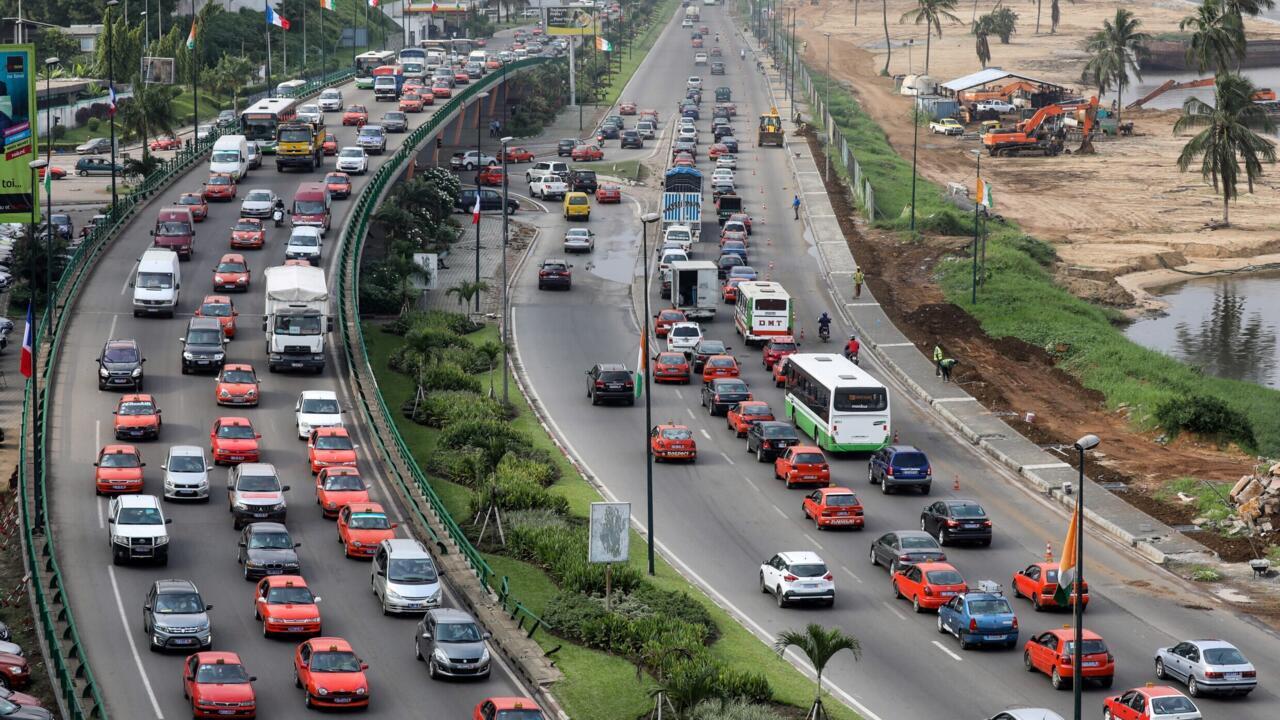
Over a thousand electric vehicles are now navigating the roads of Côte d’Ivoire, with the majority serving in the ride-hailing sector. These silent, fuel-free cars are prized for their reduced operational costs compared to traditional combustion engines. Yet their growing presence faces significant hurdles: high upfront prices, insufficient charging infrastructure, and heavy reliance on foreign imports.
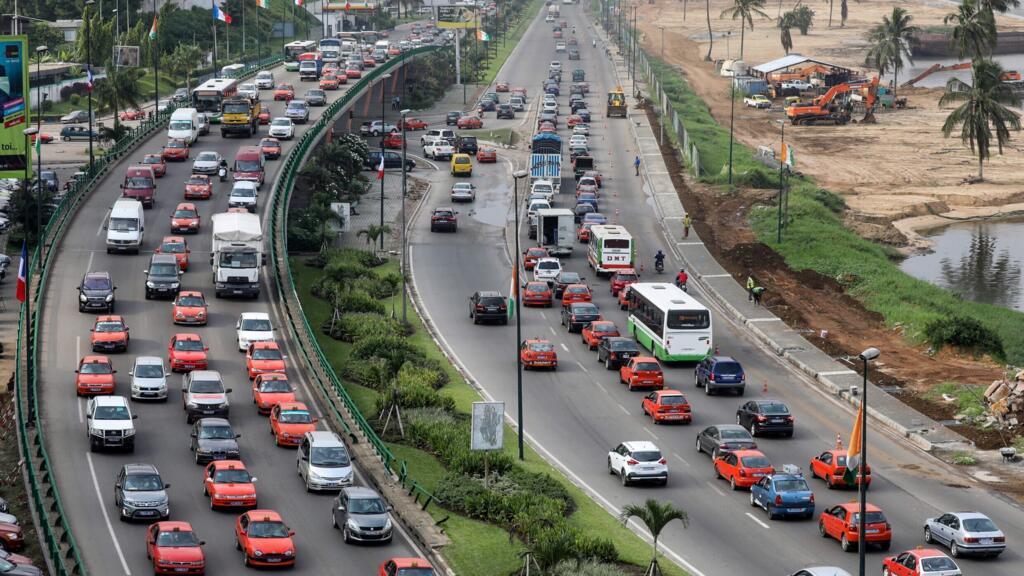
Behind the wheel of an electric car, driver Mouhamed Kanaté navigates the bustling streets of Abidjan daily. Since switching to electric two years ago, he has seen his daily revenue rise to 28,000 FCFA, with charging costs capped at 13,000 FCFA compared to 20,000 FCFA for traditional vehicles. “The savings allow me to support my family while maintaining my business,” he explains. “It’s truly cost-effective.”
The three major ride-hailing operators in Côte d’Ivoire have integrated electric vehicles into their fleets, with nearly 300 now serving Abidjan’s urban transport needs. However, the sector faces challenges such as steep acquisition costs—no less than 14 million FCFA per vehicle—and a limited network of just over a hundred charging stations nationwide. Repair services also pose difficulties due to the scarcity of spare parts, as Kanaté notes: “Finding mechanical components is tough. Most parts are imported, and local suppliers are scarce.”
government incentives to accelerate electric mobility
In response to rising demand, dealers like Sinoafrik in Abidjan’s Cocody district are expanding their electric vehicle offerings. Initially, customers were skeptical, but now interest has shifted from curiosity to genuine demand. “We educated them on the economic benefits,” says commercial manager Reine Trésor Gosset. “Today, purchase decisions are driven by practicality rather than novelty. The most sought-after models are VTC vehicles and small 25-seat cars.”
The Ministry of Transport is backing this transition through incentives for investors. “Our investment code includes numerous provisions to promote and facilitate investor installations,” explains Jean-Marc Atché, Director of Planning and Projects. “We’re supporting several initiatives, including a major assembly plant that will locally produce electric vehicles.”
Côte d’Ivoire aims to lead by example: by 2030, 10% of government vehicle fleets will be electric.