
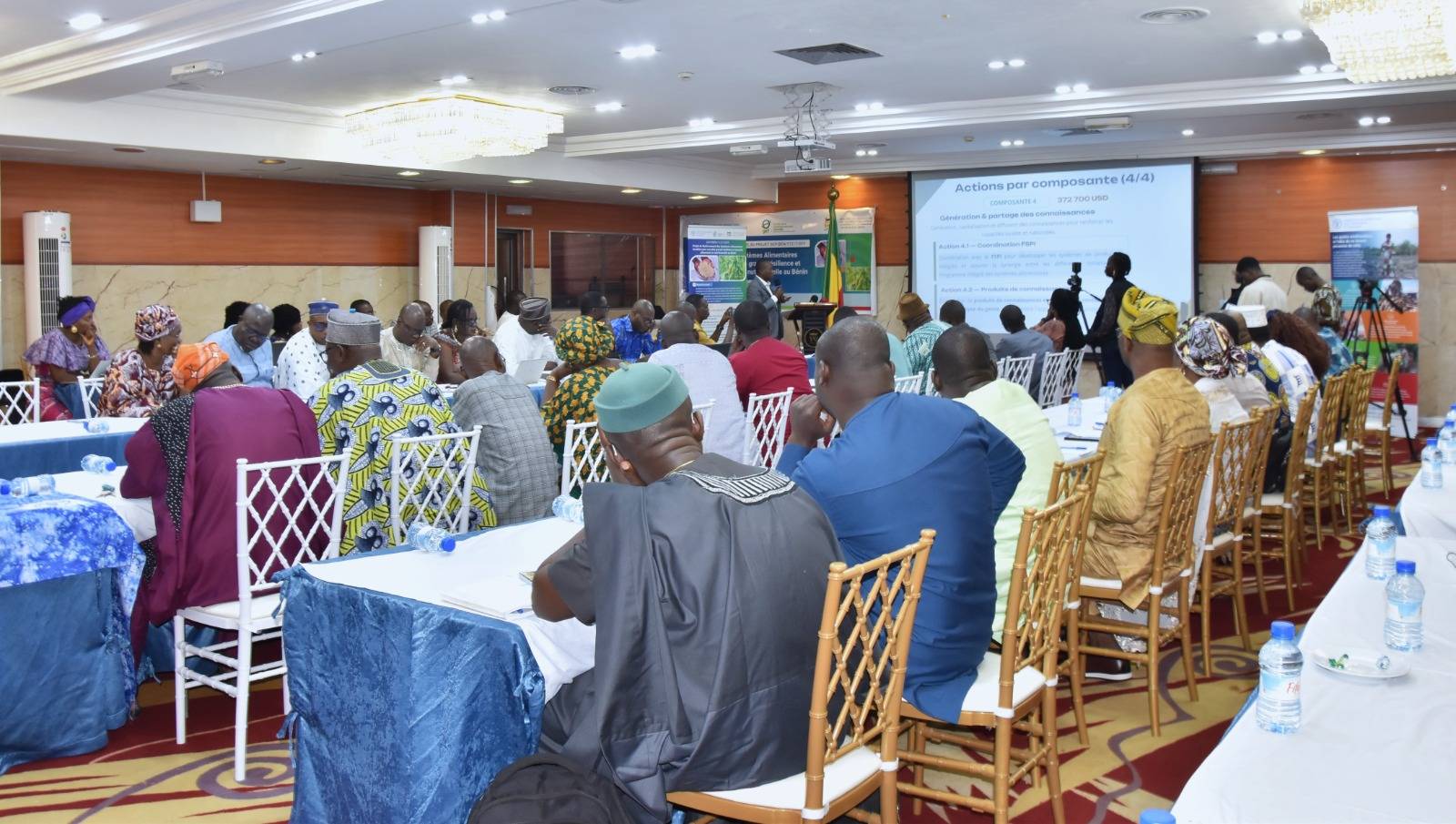
With Benin’s fertile soils under severe strain, threatening both food security and economic stability, authorities have rolled out an ambitious initiative to revitalize the nation’s agricultural backbone. The Food Systems project, launched in Cotonou with technical and financial backing from global partners, seeks to reverse decades of land degradation by overhauling the rice and maize sectors by 2030.
Why soil degradation is a silent economic crisis
Benin’s economy thrives on agriculture, which sustains 70% of jobs, accounts for 26% of GDP, and fuels 80% of export earnings. Yet this vital sector is under siege. Speaking at the project’s launch event at the Bénin Royal Hotel, Minister of Agriculture, Livestock and Fisheries Adin Yeton Bloukounon Goubalan warned of a looming catastrophe: soil fertility is plummeting, dragging down yields and trapping rural communities in poverty.
The numbers paint a stark picture. National research shows that 40% of Beninois—over 5 million people—face direct consequences of degraded farmland. Shockingly, nearly 38% of the country’s total land area is now classified as degraded, slashing crop output by at least half. This erosion of arable soil doesn’t just shrink harvests; it cuts off access to clean water and nutritious food, pushing more families into hardship.
From crisis to opportunity: a blueprint for agricultural rebirth
The Food Systems initiative isn’t just another aid program. It’s a comprehensive strategy to overhaul Benin’s food production model, developed by the government in collaboration with the UN’s Food and Agriculture Organization and the Global Environment Facility. Rather than patching up problems, the project targets systemic change to make agriculture both high-yielding and sustainable.
The plan focuses on two staple crops—rice and maize—that dominate both rural diets and urban markets. By integrating eco-friendly techniques, improving policy frameworks, and strengthening market links, the project aims to shift these sectors from low-productivity, high-impact systems to efficient, resilient value chains that benefit farmers and the environment alike.
A $20 million lifeline for Benin’s fields
Funded through a $20.7 million tripartite package, the project combines $5.9 million from the Global Environment Facility with $14.8 million in national co-financing. Over the next six years, teams will concentrate efforts in five strategic zones: Karimama, Malanville, Glazoué, Kétou, and Les Aguégués.
The scale of the mission is ambitious. By 2030, the project will rehabilitate 20,000 hectares of barren land and spread sustainable farming practices across 114,900 hectares. On the ground, 36,000 farmers will receive direct support, while an estimated 356,000 people in target regions will reap long-term benefits from improved food supplies and incomes.
Collaboration and caution: the keys to success
While the initiative holds promise, officials stress that meticulous execution will decide its fate. Minister Adin Yeton Bloukounon Goubalan cautioned teams to rigorously test soil restoration methods before scaling up, warning that ineffective techniques could backfire. Paul-Henri Zoéwindé Bouda, FAO’s Resident Representative in Benin, echoed the call for unity, emphasizing that technology alone won’t transform agriculture without full buy-in from farming communities.
« The project’s success hinges on coordinated action from every stakeholder—from government agencies to local cooperatives—and the active participation of those working the land, » Bouda noted.
Paving the way for a greener future
By addressing soil degradation at its core, the Food Systems project could set Benin on a path to lasting food sovereignty. If targets are met, the country won’t just stabilize rice and maize supplies; it could become a model for neighboring nations seeking to balance productivity with environmental stewardship.