
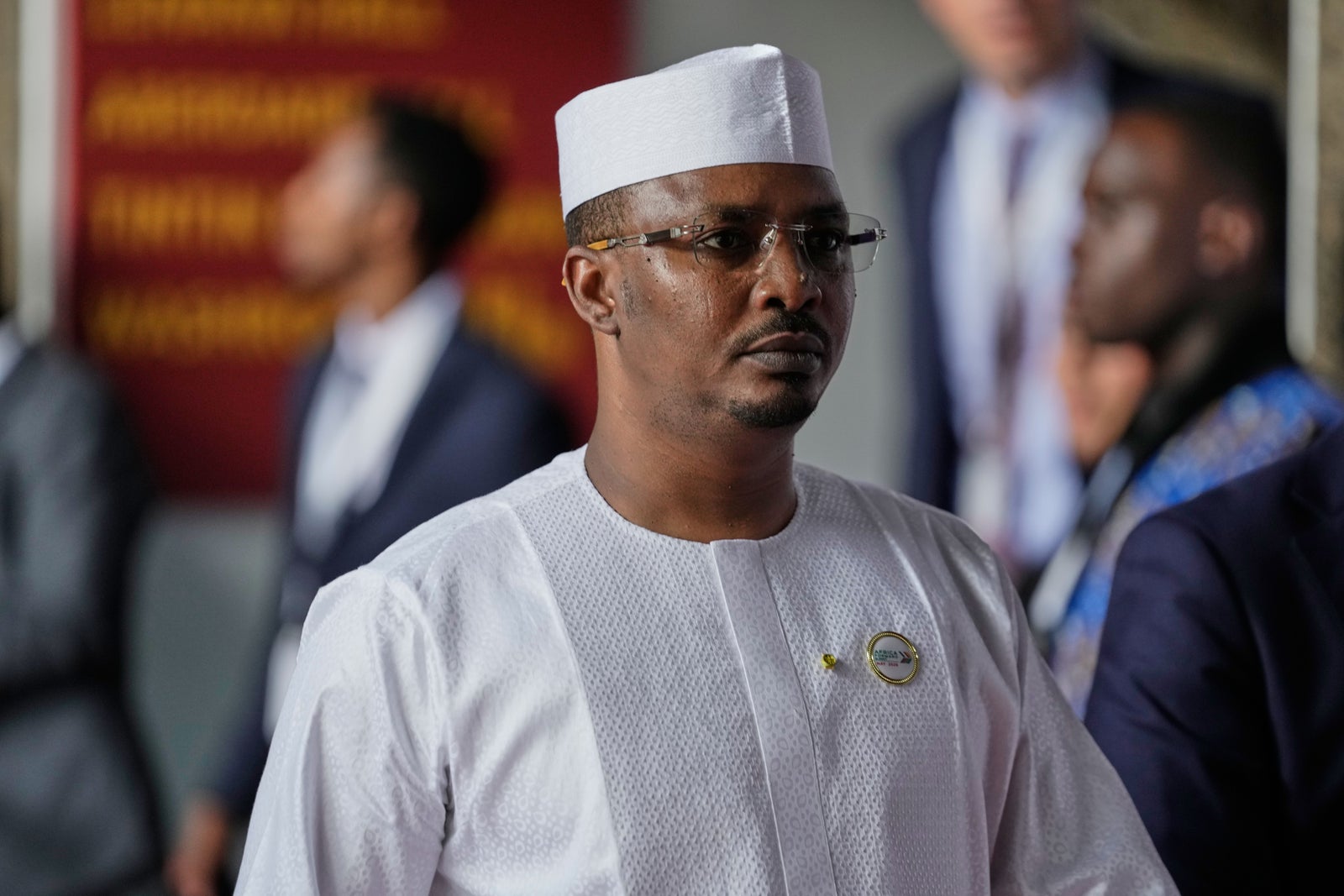
The Government of Chad has formally announced its withdrawal from the International Criminal Court (ICC), citing concerns over the court’s uneven effectiveness and what it describes as a disproportionate focus on African nations.
In an official statement issued on Monday, a government spokesperson highlighted that the decision follows a comprehensive review of the ICC since its establishment in 2002. The review concluded that the court’s operations have been limited in scope and inconsistent in application, with a majority of investigations targeting African states.
The statement pointed out that out of the 13 investigations launched by the ICC since its inception, nine have involved African countries, while only four have been opened in other regions. Furthermore, the spokesperson noted that as of now, the court holds only seven detainees, six of whom are facing charges related to African situations.
US call for reconsideration
According to a diplomatic communiqué released on Thursday, Chad’s decision was made in response to a direct request from the United States. During a phone call between the U.S. Assistant Secretary of State for African Affairs and Chad’s Foreign Minister, Washington raised concerns about the ICC’s operations and urged N’Djamena to reconsider its membership in the Rome Statute.
While the U.S. expressed its reservations about the court’s functionality, Chad’s Foreign Minister, Abdoulaye Sabre Fadoul, clarified in a follow-up interview that the decision was not made at Washington’s behest.
Ongoing legal scrutiny
The announcement comes at a critical moment, as Chad faces allegations from Sudanese military officials and several international NGOs. These accusations claim that Chad has facilitated the transport of weapons from the United Arab Emirates to the Rapid Support Forces (RSF), a paramilitary group engaged in a brutal civil war against Sudan’s armed forces since April 2023.
French human rights lawyer Vincent Brengarth, who has been involved in documenting alleged international crimes, expressed concern that Chad’s withdrawal could undermine ongoing legal proceedings, including a 2025 complaint filed on behalf of NGOs regarding suspected complicity in international crimes linked to arms trafficking.
Both warring factions in the Sudanese conflict have been widely accused by the international community of committing war crimes, including targeted attacks on civilians and indiscriminate bombings of populated areas.
Brengarth warned that the withdrawal not only weakens the global justice framework but also increases the risk of impunity for perpetrators of grave crimes.
Chad’s move follows a similar decision by Venezuela, which cited a geographical bias in the ICC’s operations, accusing it of over-focusing on African and Latin American countries at the expense of the Global South.